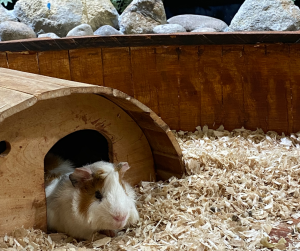


🐹 Sustainable Care for Small Animals
Small animals may be tiny, but their care routines can generate a surprising amount of waste—from bedding and food packaging to single‑use plastics and disposable accessories. With a few thoughtful choices, it’s easy to reduce their environmental impact while keeping them healthy, enriched, and comfortable.
🪵 Bedding: Better Alternatives to Sawdust
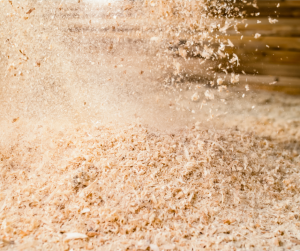
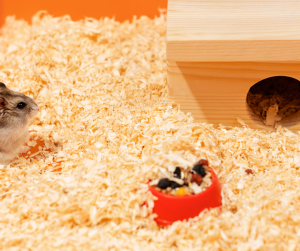
Traditional sawdust is widely used, but it’s not always the most sustainable or healthiest option. It can be dusty, irritating to small lungs, and often comes from virgin timber.
❌ Why to avoid sawdust
- Can cause respiratory irritation in many species
- Often produced from newly cut wood rather than waste streams
- Breaks down quickly into fine dust
- Not always compostable if mixed with chemical additives
🌿 Sustainable Bedding Options
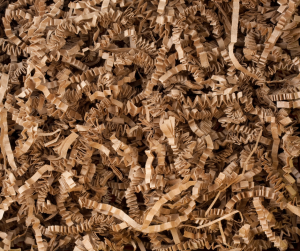
1. 📦 Shredded Cardboard
1. 📦 Shredded cardboard
- Low‑dust when properly shredded
- Highly absorbent
- Made from recycled materials
- Fully compostable
- Great for burrowing species like hamsters, gerbils, and mice
- Works well mixed with paper or hemp bedding for extra softness
2. 🪵 Wood Shavings (FSC-certified Sources)
2. 🪵 Wood shavings from sustainable sources
- Choose kiln‑dried softwood shavings from FSC‑certified suppliers
- Lower dust and often made from by‑products
3. 📃 Paper-Based Bedding
3. 📃 Paper‑based bedding
- Soft, absorbent, and made from recycled paper
- Low‑dust and compostable
4. 🌿 Hemp Bedding
4. 🌿 Hemp bedding
- Very absorbent and naturally low‑dust
- Grown with fewer pesticides and less water
5. 🐇 Straw & Hay Bedding
5. 🐇 Straw and hay bedding
- Fully compostable and often locally sourced
- Suitable for rabbits and guinea pigs
6. ♻️ Upcycled or Waste Stream Products
6. ♻️ Upcycled or waste‑stream products
- Bedding made from agricultural by‑products or recycled fibres
- Reduces resource use and landfill waste

♻️ Composting Bedding After Use
Most small animals—rabbits, guinea pigs, hamsters, gerbils, mice, rats—are herbivores or primarily plant‑eaters. This makes their used bedding much easier to compost safely than carnivore waste.
🌱 Composting shredded cardboard and other plant‑based bedding
Shredded cardboard, paper bedding, hemp, straw, hay, and untreated wood shavings all break down well in compost.
🔥 Hot composting and safety
Hot composting (systems that reach high internal temperatures) is especially effective because:
- It speeds up decomposition
- It kills most pathogens
- It handles high‑carbon materials like cardboard very well
- Herbivore waste is generally safe to compost when managed properly
Because small animals are herbivores, their waste is more similar to manure from rabbits, horses, or guinea pigs—materials commonly composted in gardening and farming.
⚠️ Sensible precautions
Even with herbivore waste, a few guidelines keep things safe and practical:
- Only use compost from animal bedding on ornamental plants, not food crops
- Avoid composting bedding contaminated with chemicals, scented products, or synthetic materials
- Maintain good airflow and moisture balance in the heap
- Mix bedding (carbon‑rich “browns”) with kitchen scraps or grass clippings (“greens”) for best results
🌍 Why Composting Helps
🌎 Why composting helps
- Reduces landfill waste
- Turns bedding into a useful soil improver
- Makes full use of recycled materials like cardboard
- Cuts down on bin bags and disposal costs

🥬 Natural Foods and Treats
Small animals thrive on fresh, natural foods—and choosing sustainably sourced options reduces environmental impact.

🌿 What to prioritise
1. Fresh vegetables and greens
- Locally grown, seasonal produce has a lower footprint.
- Organic options reduce pesticide use.
2. High‑quality hay
- Essential for rabbits and guinea pigs.
- Choose hay from responsible farms or local suppliers to reduce transport emissions.
3. Natural treats
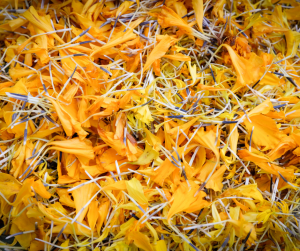
- Herbs, dried flowers, and forage mixes are healthier and more sustainable than sugary, processed treats.
- Avoid treats with artificial colours, preservatives, or palm oil.
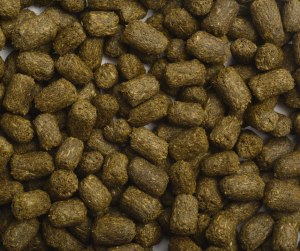
4. Minimal‑ingredient pellets
- Choose brands that use simple, natural ingredients.
- Avoid mixes with lots of coloured pieces or fillers.
❌ What to avoid
- Over‑processed treats
- Products with unclear ingredient sourcing
- Excessive plastic packaging
- Foods containing palm oil or unnecessary additives
🛒 Choosing Sustainable and Responsible Suppliers
Where you shop matters just as much as what you buy.
🌍 What to look for in a supplier
- Transparent sourcing of hay, bedding, and food
- Recycled or minimal packaging
- Local or regional production to reduce transport emissions
- Ethical farming practices
- Clear environmental commitments (e.g., FSC, organic, or other recognised certifications)
🐾 Types of suppliers to consider
- Local farms selling hay, straw, or forage
- Independent pet shops that stock eco‑friendly brands
- Companies specialising in recycled or plant‑based bedding
- Forage suppliers using home‑grown or responsibly sourced ingredients
Buying in bulk—especially hay and bedding—reduces packaging waste and transport emissions, as long as you can store it safely and keep it dry.

🌱 Final Thoughts
Sustainable small‑animal care is all about thoughtful choices: natural bedding instead of sawdust, composting instead of binning, fresh foods over processed treats, and suppliers who value the planet as much as you do. These changes don’t just reduce waste—they create healthier, more enriching environments for the animals in your care.
📝 Affiliate Disclosure: To keep our website free and accessible, I use affiliate links where appropriate. If you make a purchase, I may earn a small commission—never influencing the price you pay. Every recommendation is based on hands-on experience or thorough research tailored to UK households.
For more sustainable tips and inspiration, take a look at the newest posts.