🌱 The Complete Beginner’s Guide to Seed Saving
A simple, sustainable way to grow more for less
Seed saving is one of the most rewarding skills a gardener can learn. It’s practical, budget‑friendly, and deeply rooted in sustainable living. Whether you’re growing flowers, vegetables, or herbs, collecting your own seeds helps you reduce waste, preserve heritage varieties, and build a garden that becomes more resilient year after year.
This guide walks you through the why, the how, and the what of seed saving — perfect for beginners, with a few tips for those ready to take things further.
🌿 Why Save Seeds?
Seed saving is far more than a money‑saving trick. It’s a practice that supports biodiversity, reduces waste, and strengthens your connection to the plants you grow.
🌼 Best Practice for Sustainable Gardening
Saving seeds closes the loop in your garden. Instead of buying new packets each season, you create your own supply — reducing packaging waste, transport emissions, and reliance on commercial seed systems.
💷 Not Just About Budgeting
While it’s cost‑effective, the real magic is in adaptation. Seeds saved from your healthiest plants gradually become better suited to your soil, climate, and growing conditions.
♻️ Reduces Waste
Commercial seed packets often contain more seeds than you’ll use. Saving your own means you only take what you need — and you can share the rest with friends, neighbours, or community gardens.
🌺 Protects Heritage & Open‑Pollinated Varieties
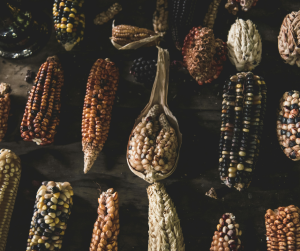
Many heirloom varieties are disappearing from catalogues. By saving seeds from these plants, you help preserve unique colours, flavours, and traits that might otherwise be lost.
🌾 Builds Self‑Sufficiency
There’s something empowering about growing a plant from seed you collected yourself. It’s a small act of independence — and a big step toward a more resilient, self‑sustaining garden.
🧑🌾 How to Save Seeds: Step‑by‑Step Basics
Seed saving can be incredibly simple. These steps work for most annual flowers and many vegetables.
1. Choose Your Best Plants
Select healthy, vigorous plants with the traits you want to keep — strong growth, good flavour, long flowering, or pest resistance.
2. Let Seeds Fully Mature
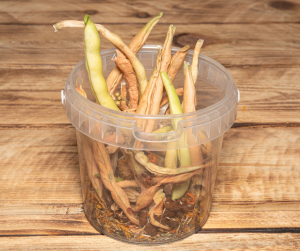
Seeds must ripen on the plant.
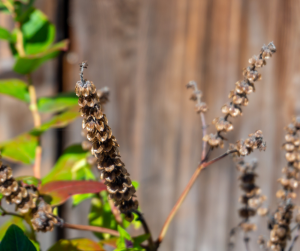
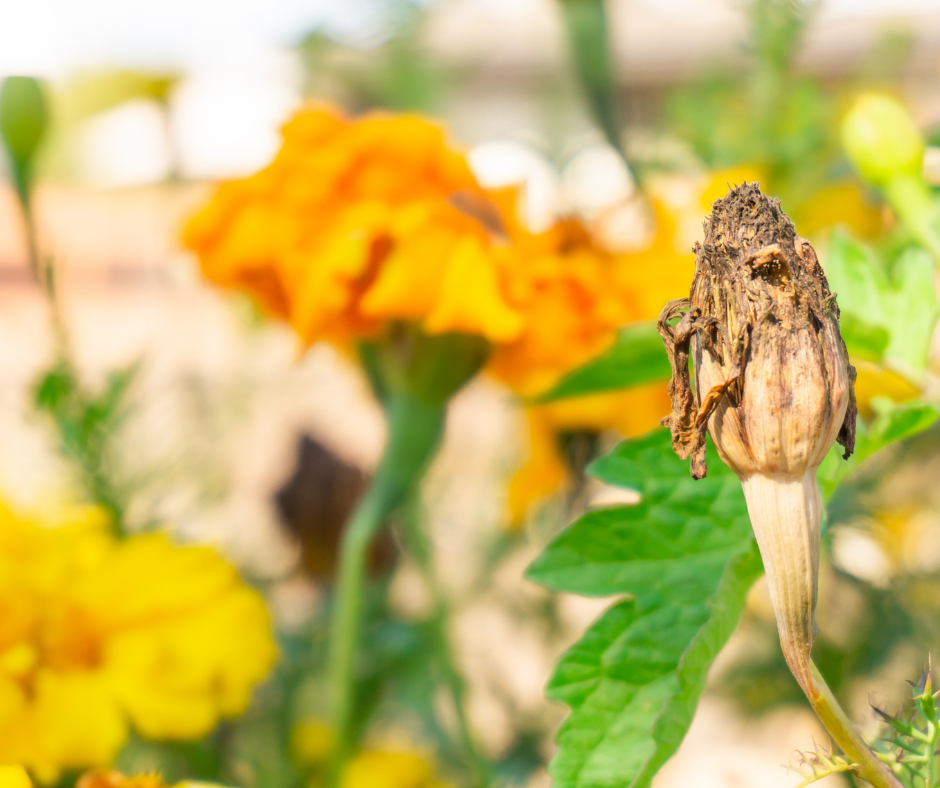
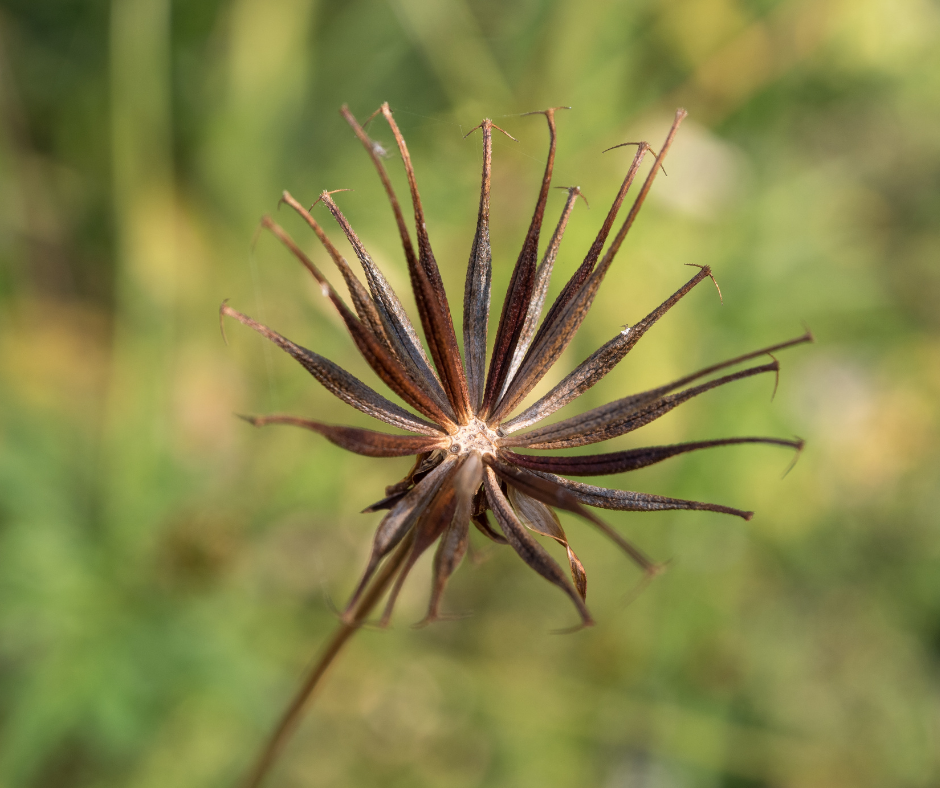
Flowers: allow seed heads to dry and turn brown.
Vegetables: let fruits fully mature — often beyond eating stage.


3. Collect on a Dry Day
Moisture encourages mould. Snip seed heads or harvest mature fruits when the weather is dry.
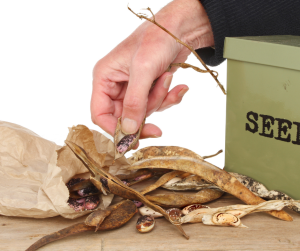
4. Clean the Seeds
4. Clean the Seeds
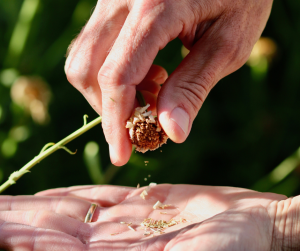
Remove petals, chaff, or pulp.
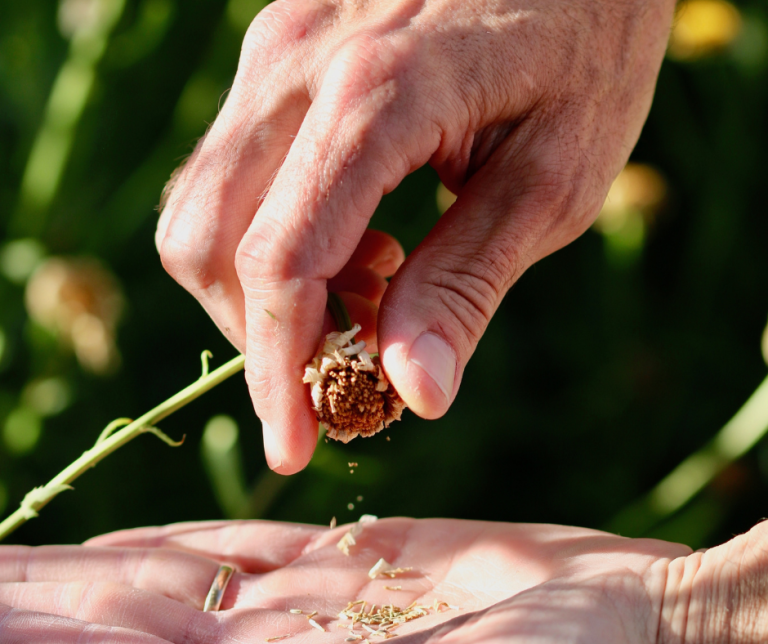
Dry seeds (flowers, herbs): rub gently between your fingers.
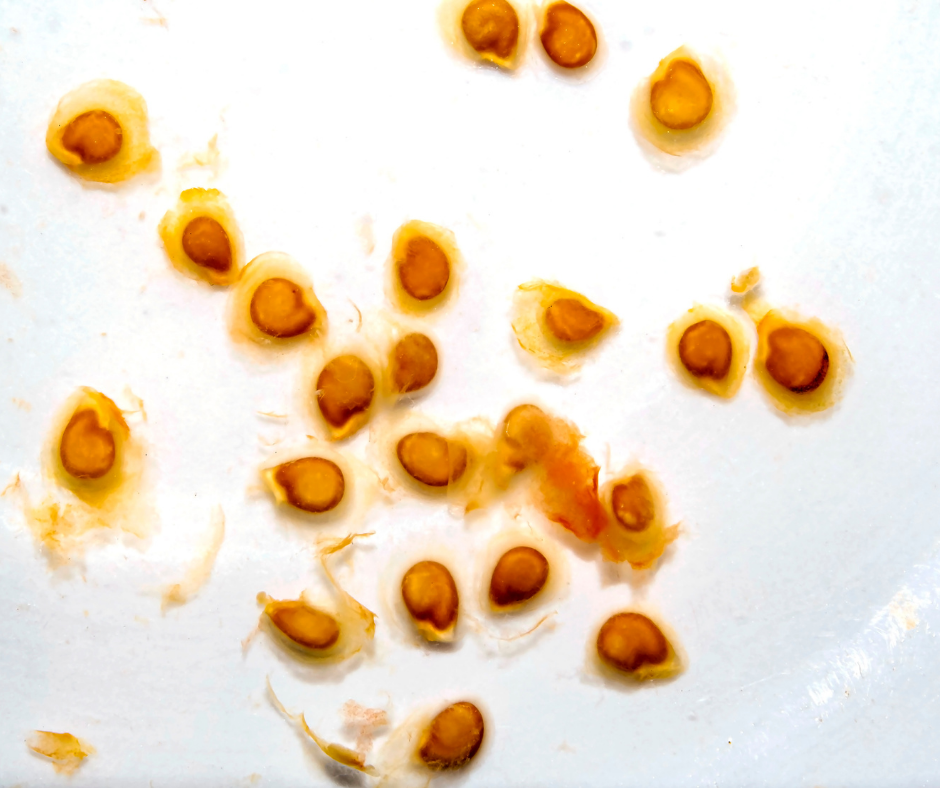
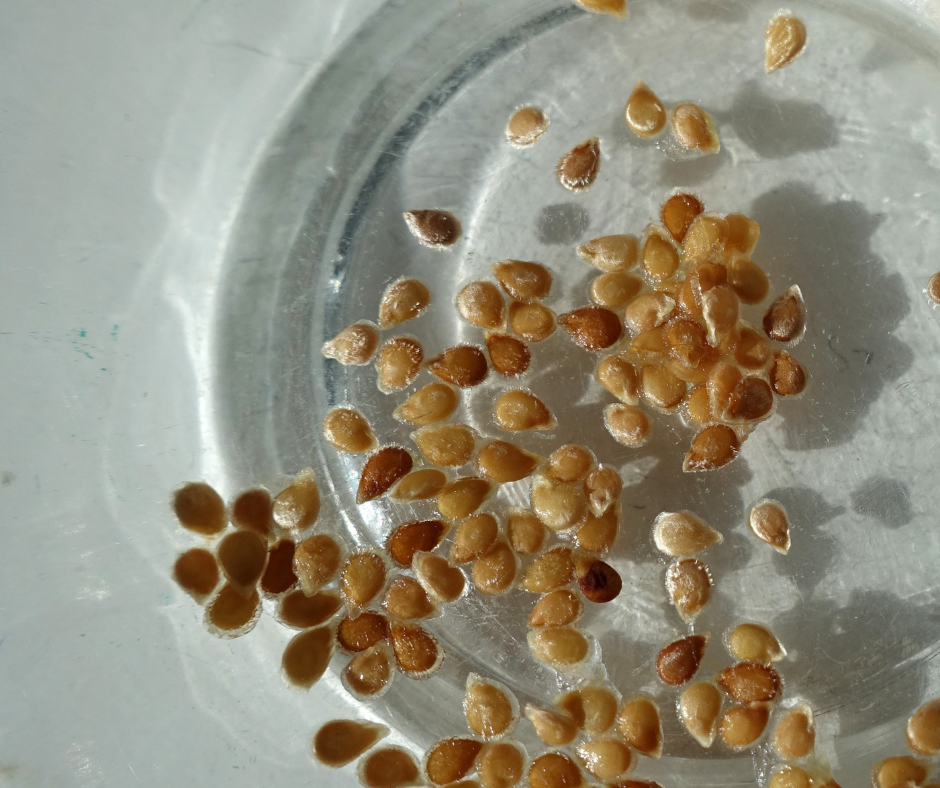
Wet seeds (tomatoes, cucumbers): scoop out and separate from the gel coating.
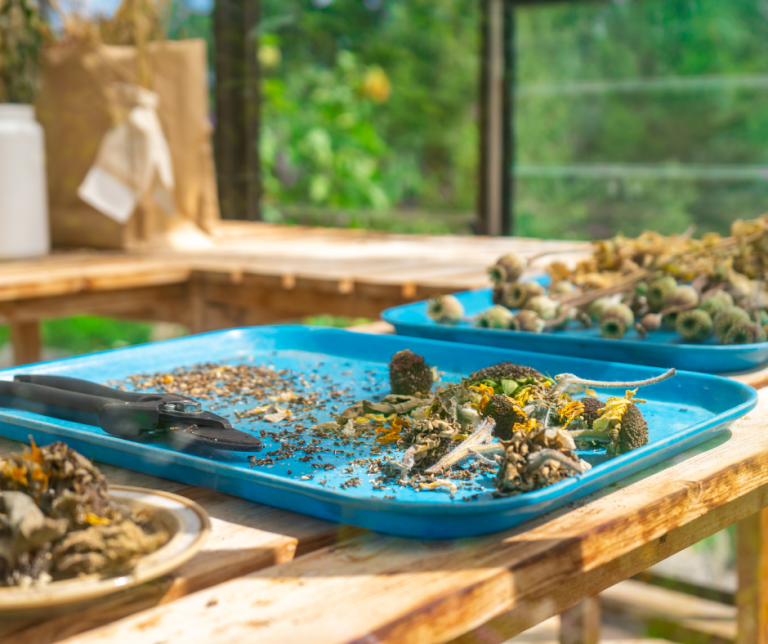
5. Dry Thoroughly
5. Dry Thoroughly
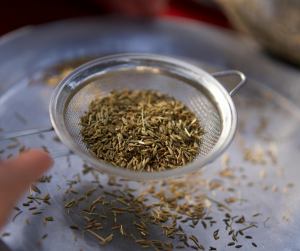
Spread seeds on a plate or paper for 1–2 weeks. They must be completely dry before storing.
6. Store Properly
6. Store Properly
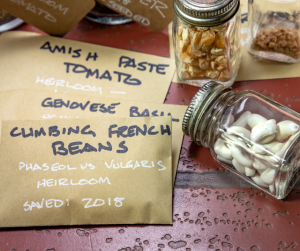
Use:
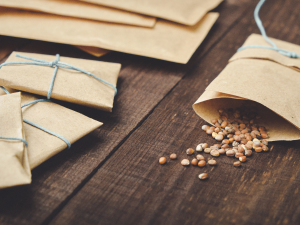
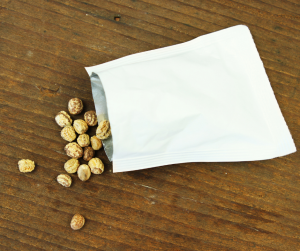
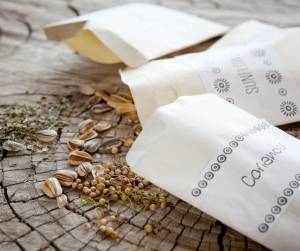
- Paper envelopes
- Small jars
- Reused spice pots
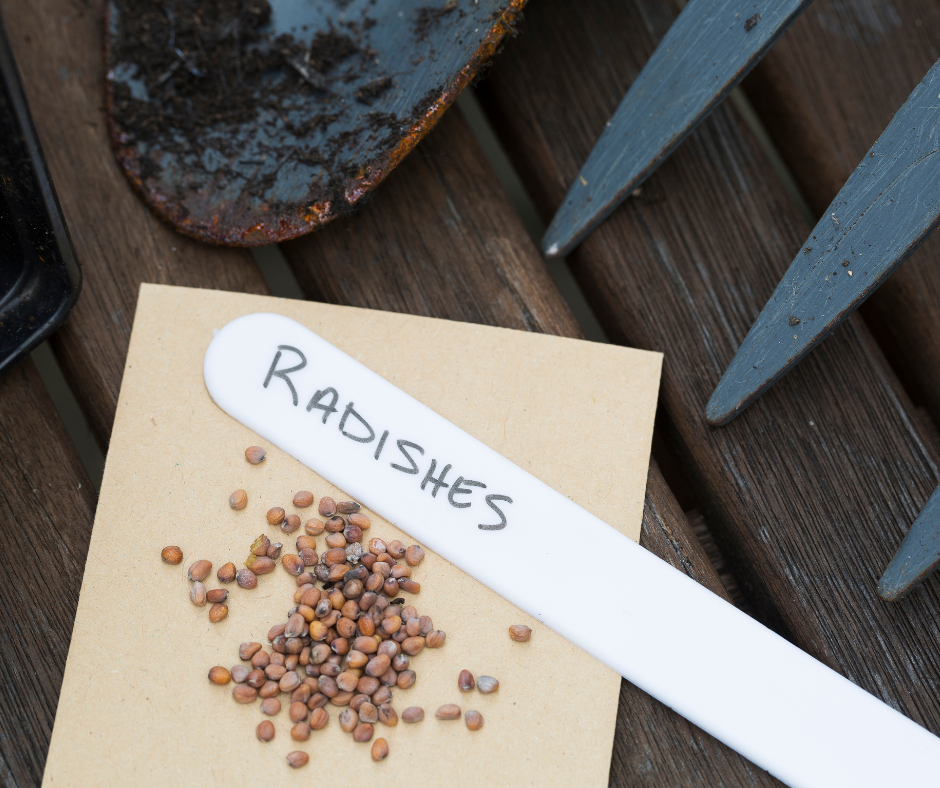
Label with variety + date, and store somewhere cool, dark, and dry.
🌸 Easiest Seeds to Start With
Perfect for beginners — reliable, prolific, and simple to collect.
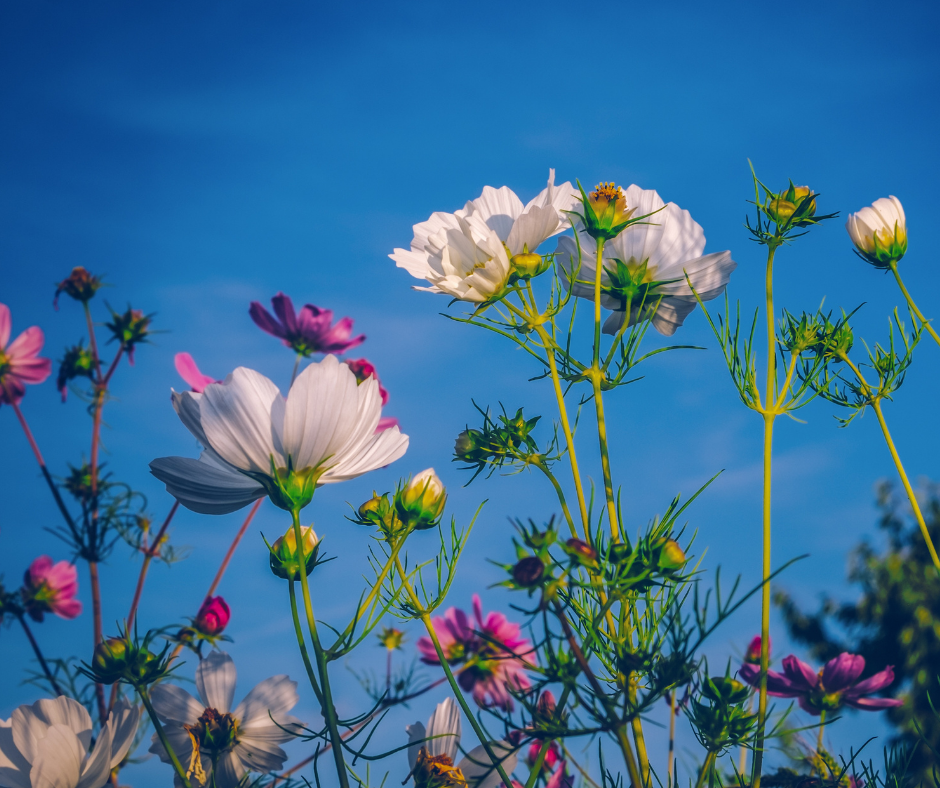
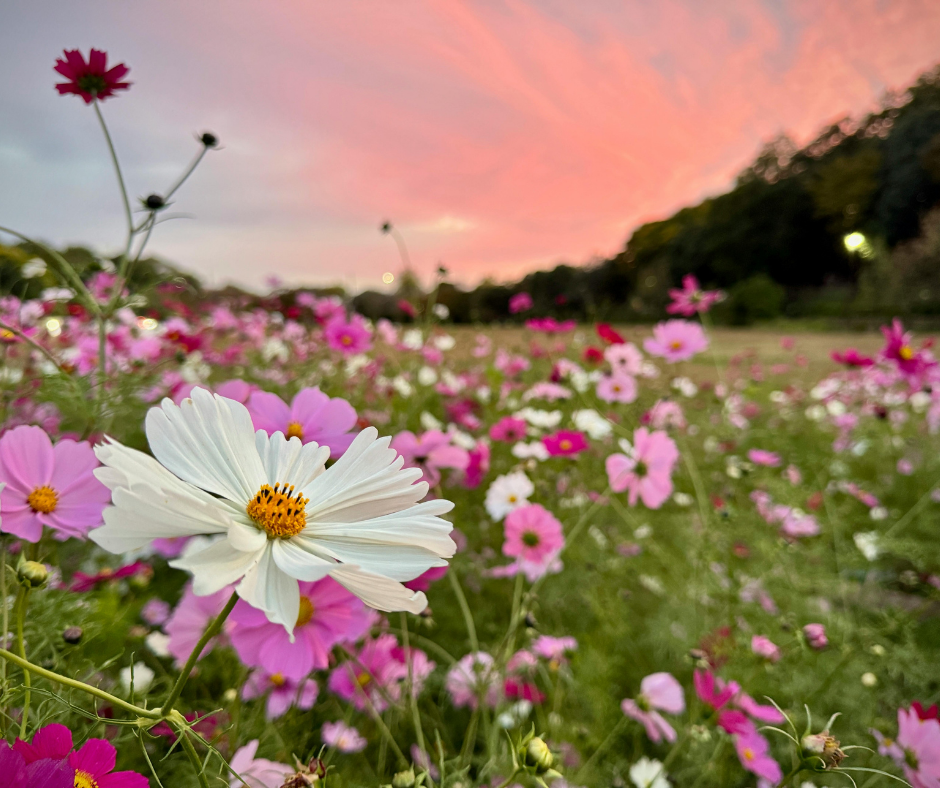
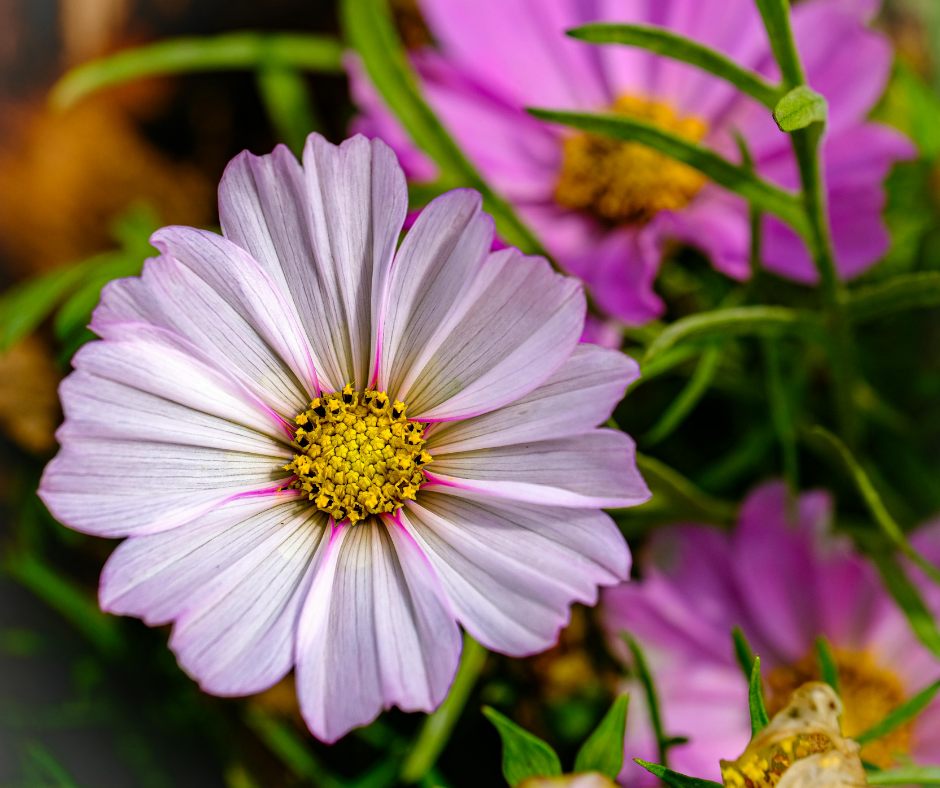
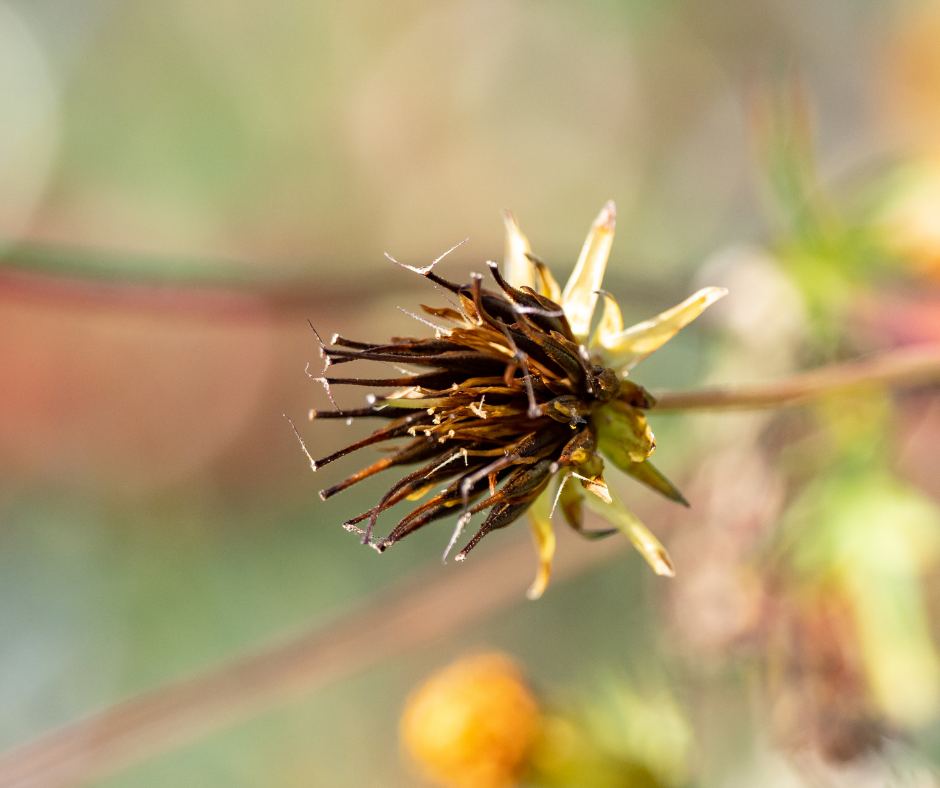
Cosmos
Produces masses of papery seed heads that are easy to harvest and store.


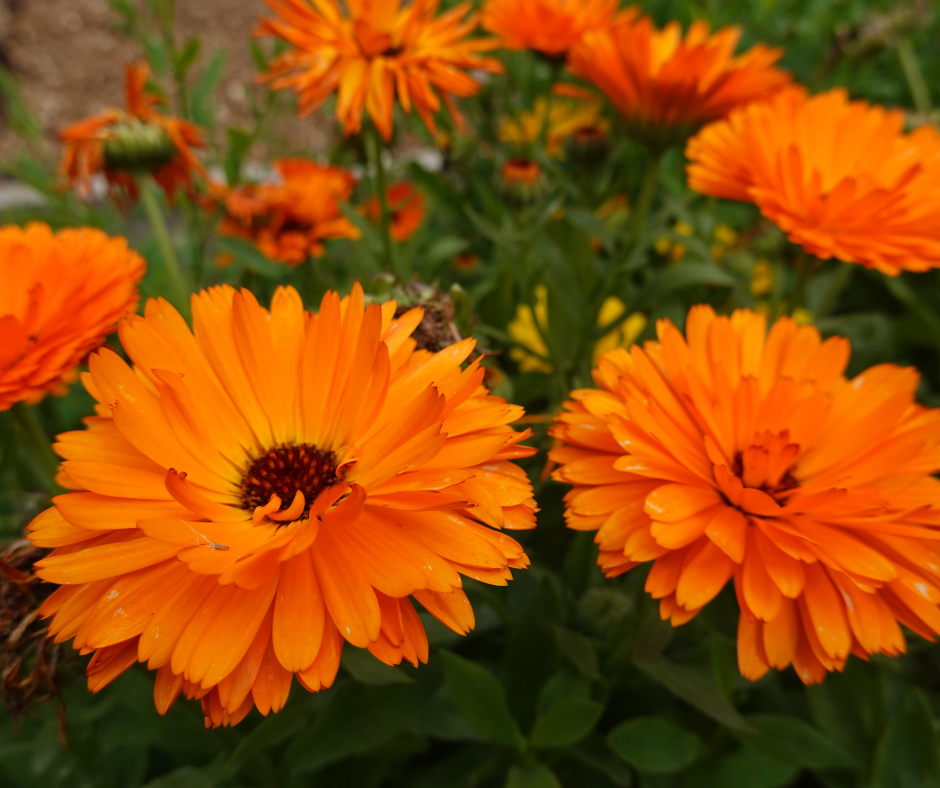
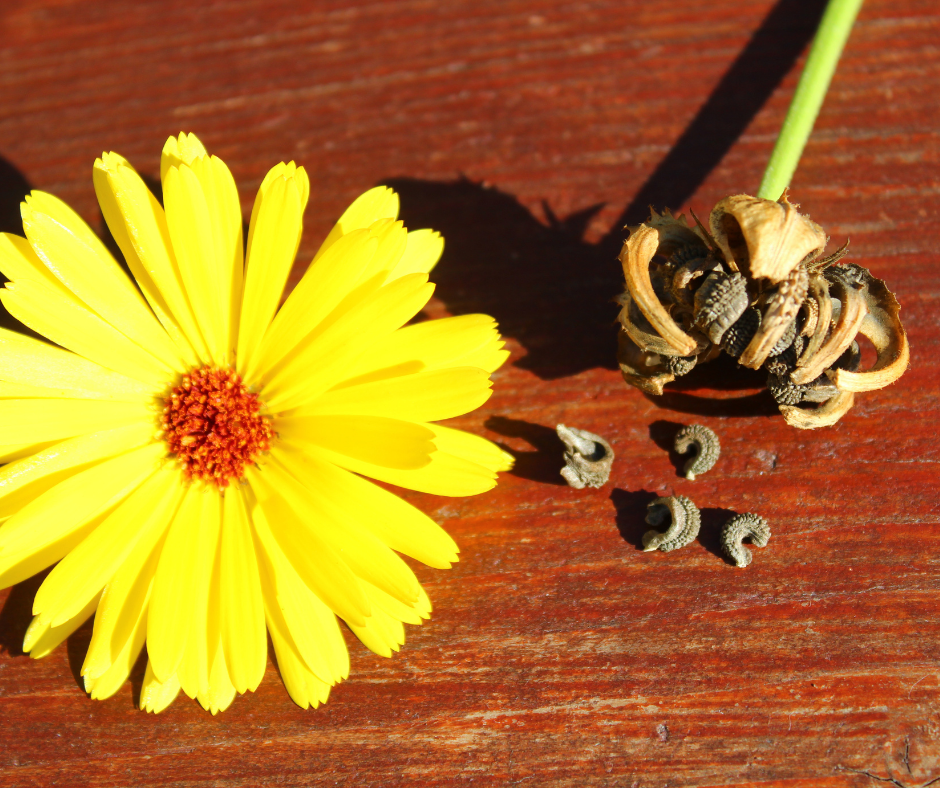
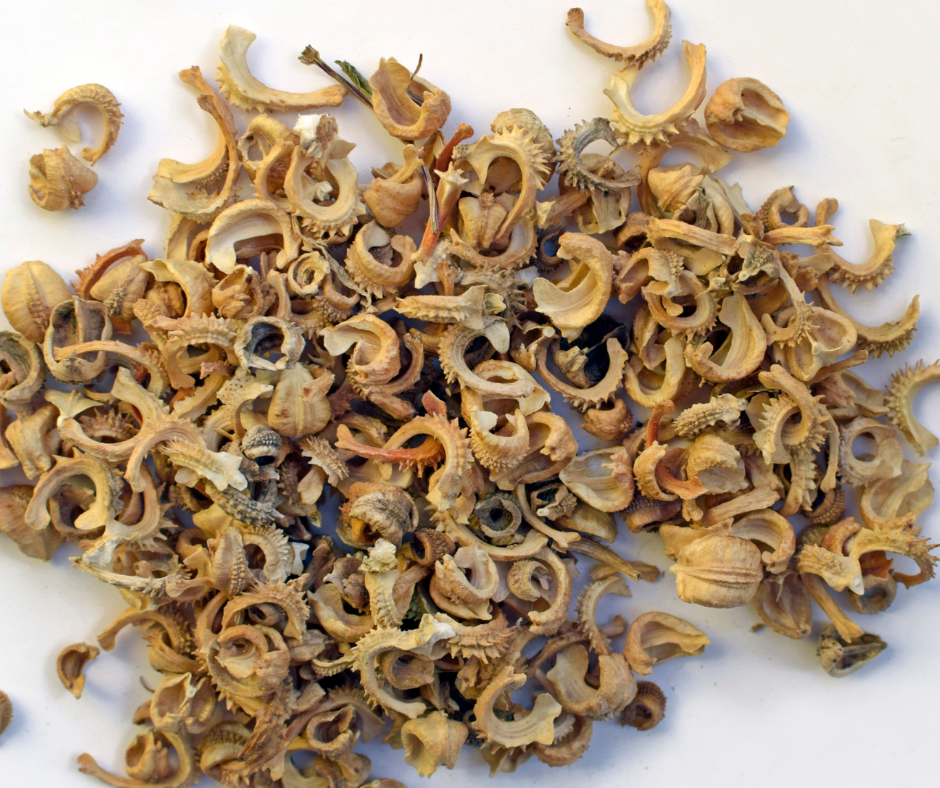
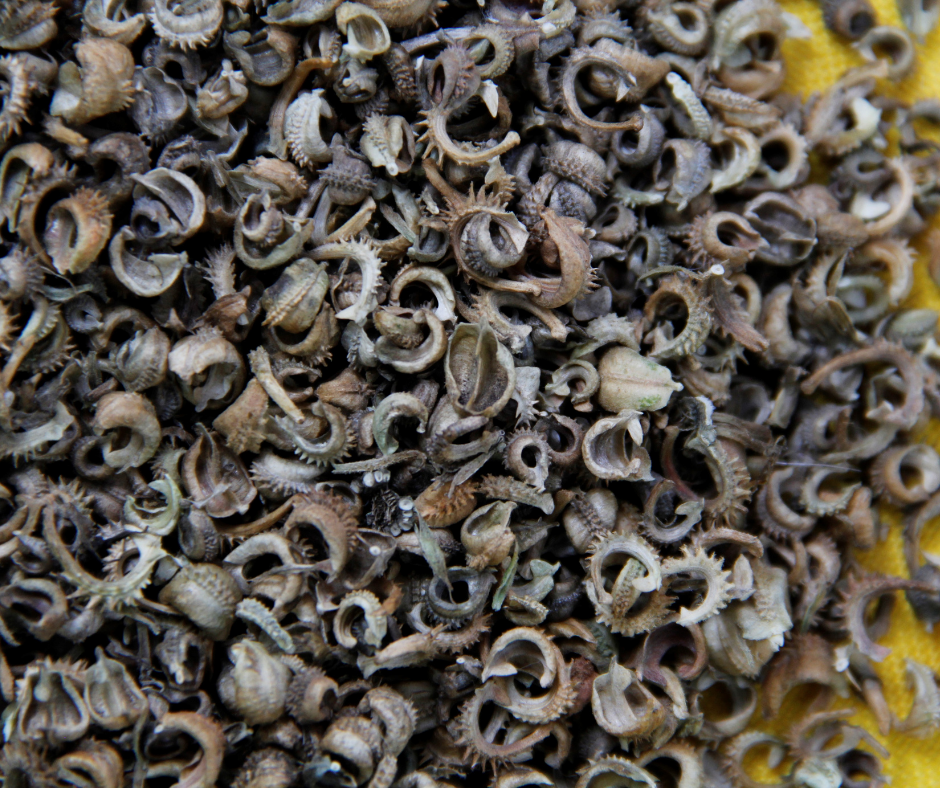
Calendula
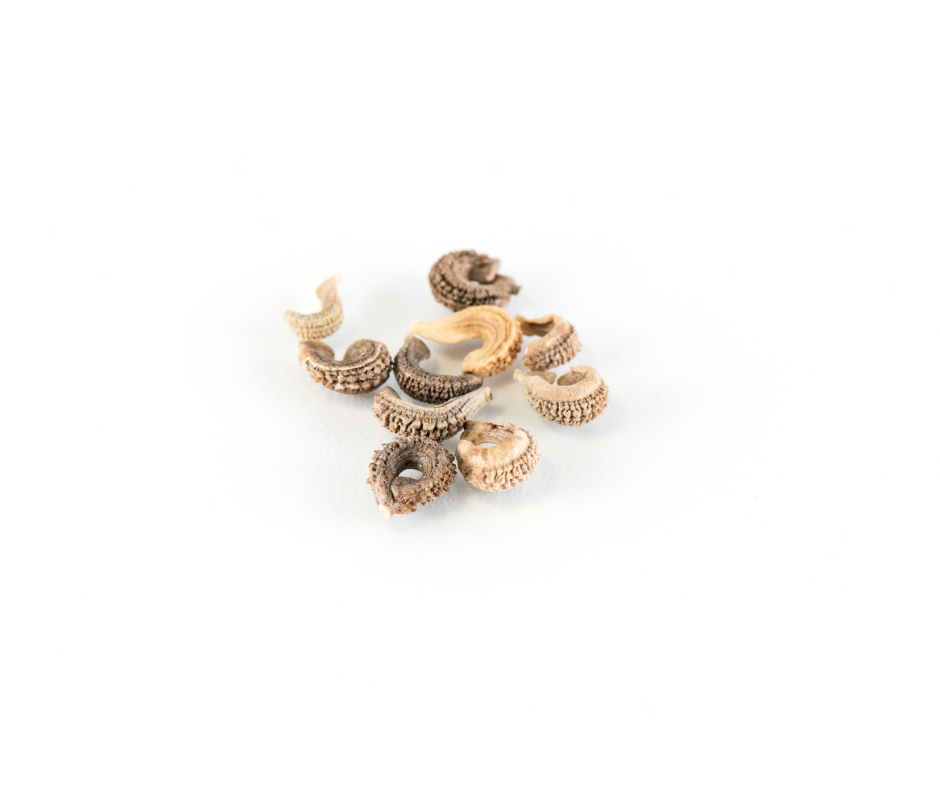
Seeds look like little curled claws — unmistakable and simple to collect.
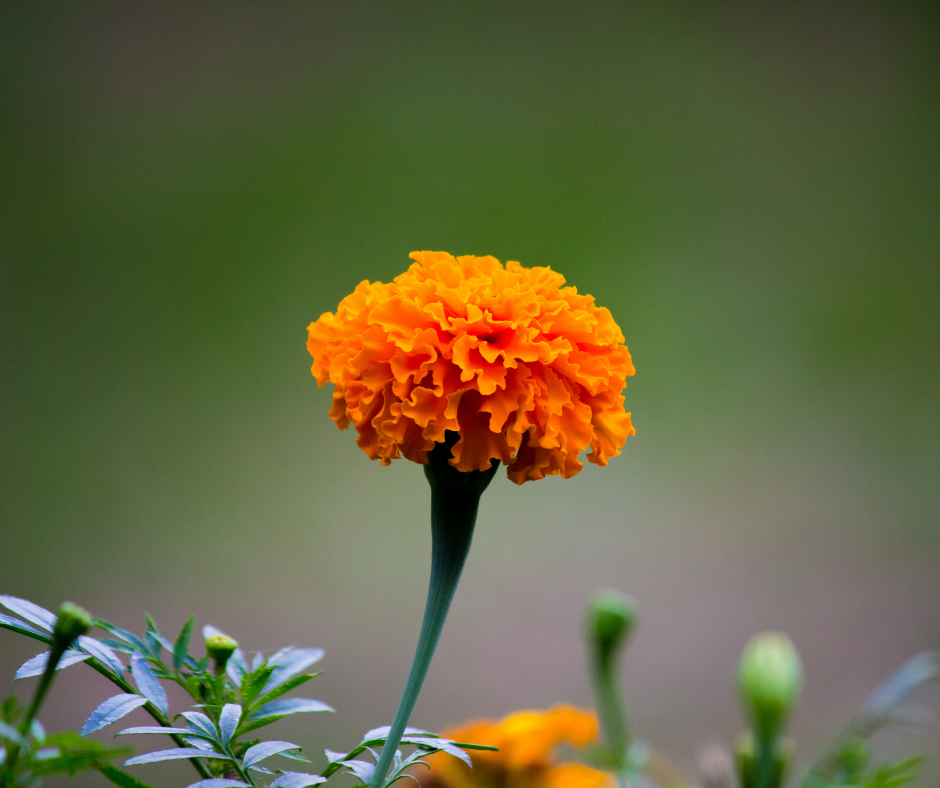
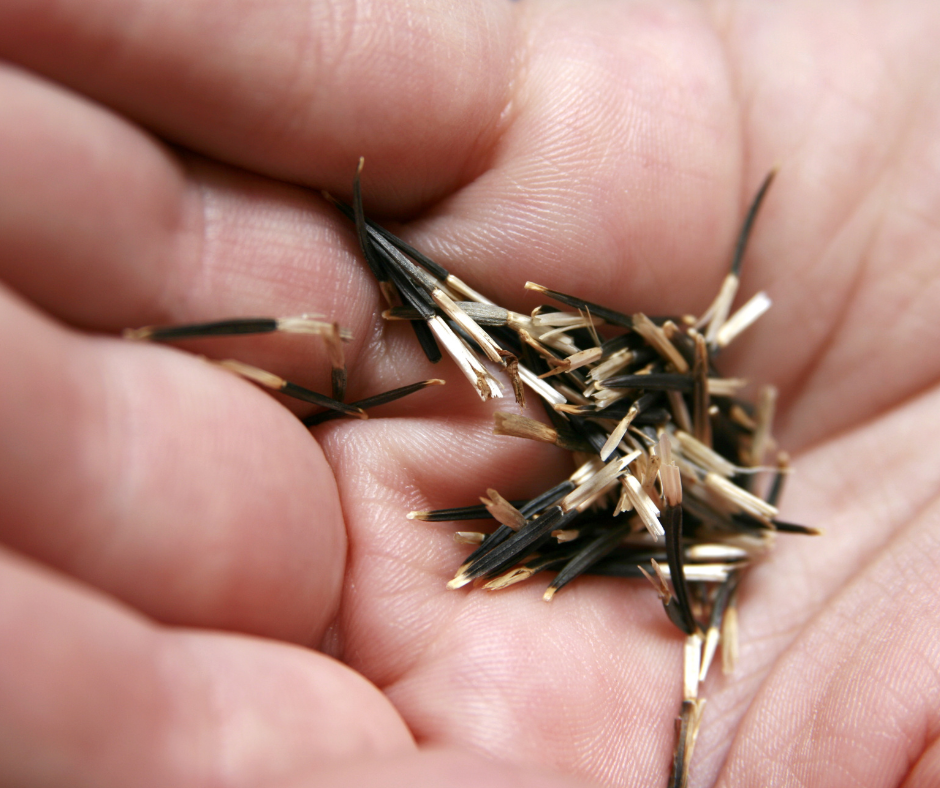
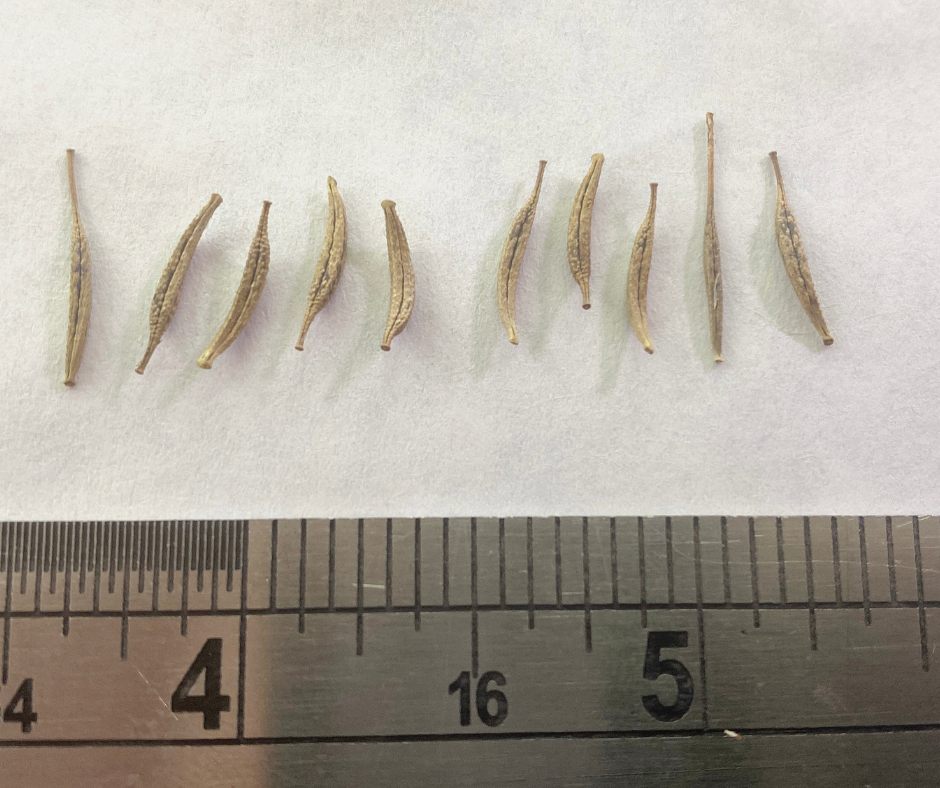
Marigolds
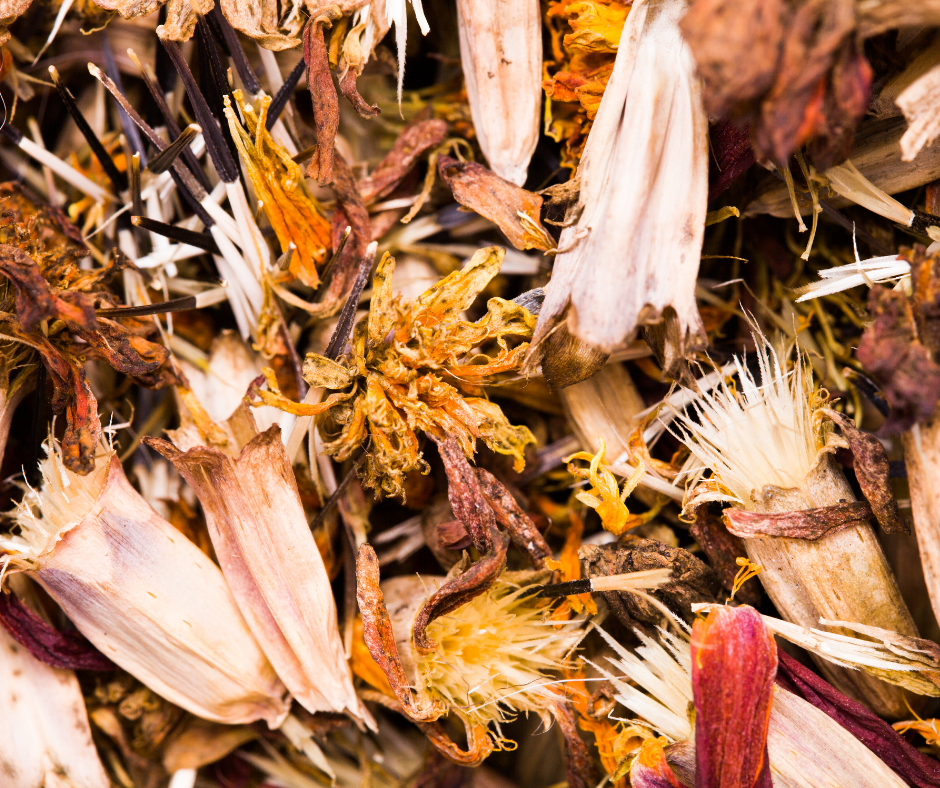
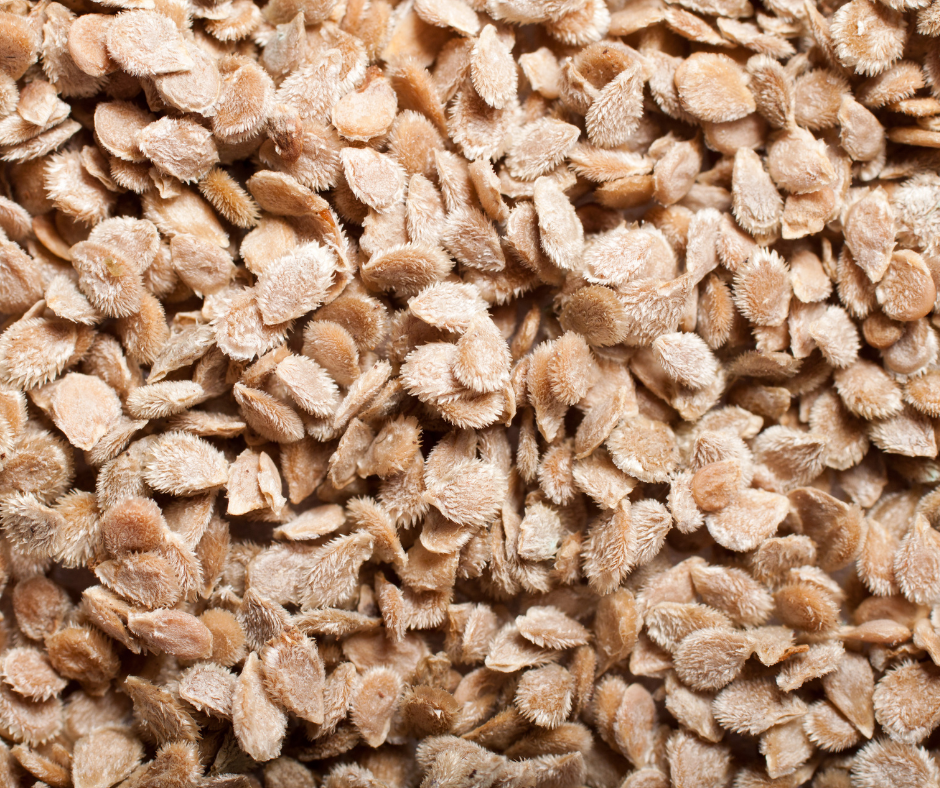
Dry flower heads reveal dozens of long, slender seeds.


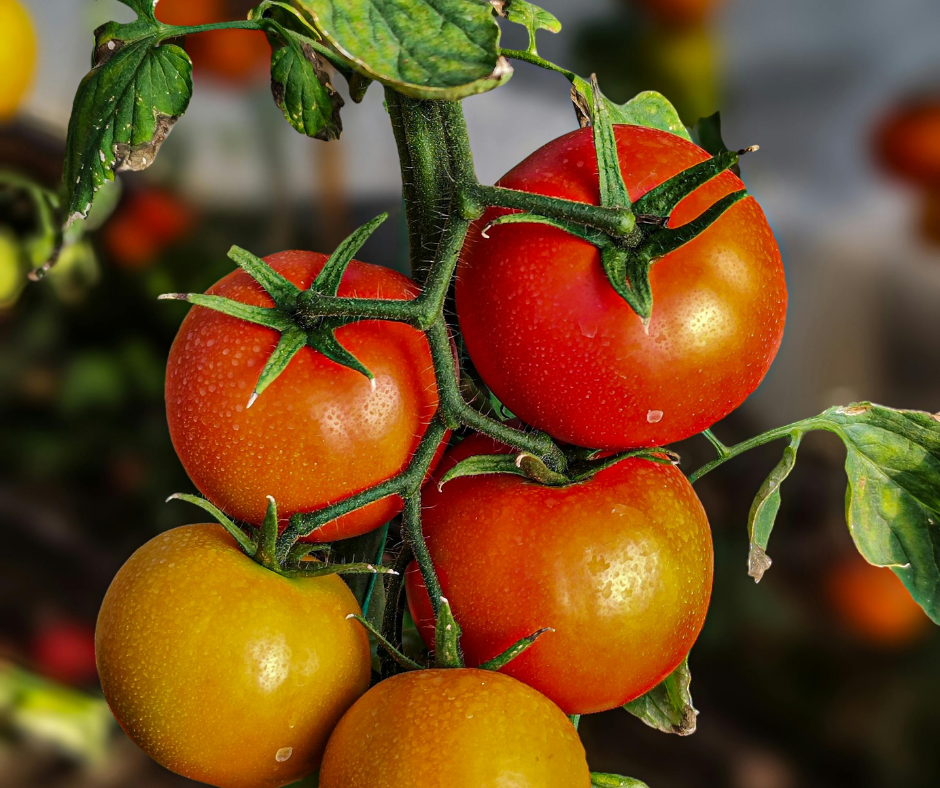
Tomatoes
A classic beginner seed. Scoop, ferment briefly to remove the gel coating, rinse, and dry.
🌿 More Advanced Seed Saving
Some plants need a little more attention because they cross‑pollinate easily or require special processing.


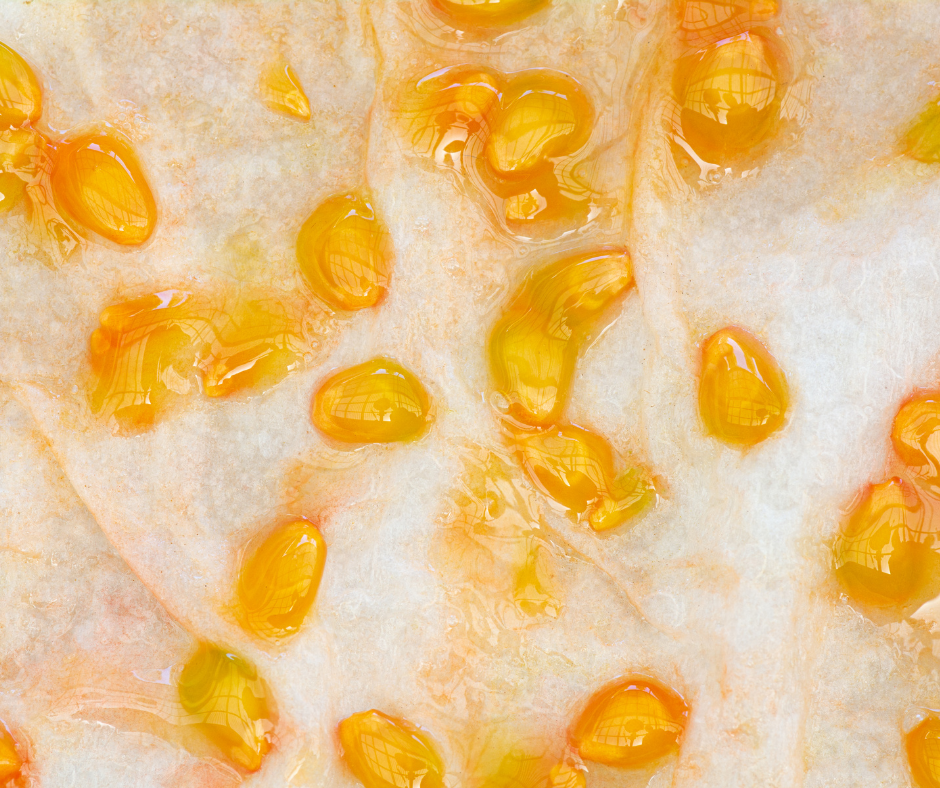
Cucumbers
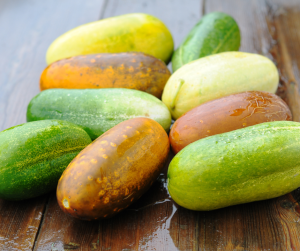
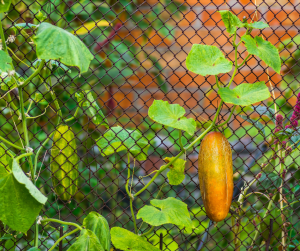
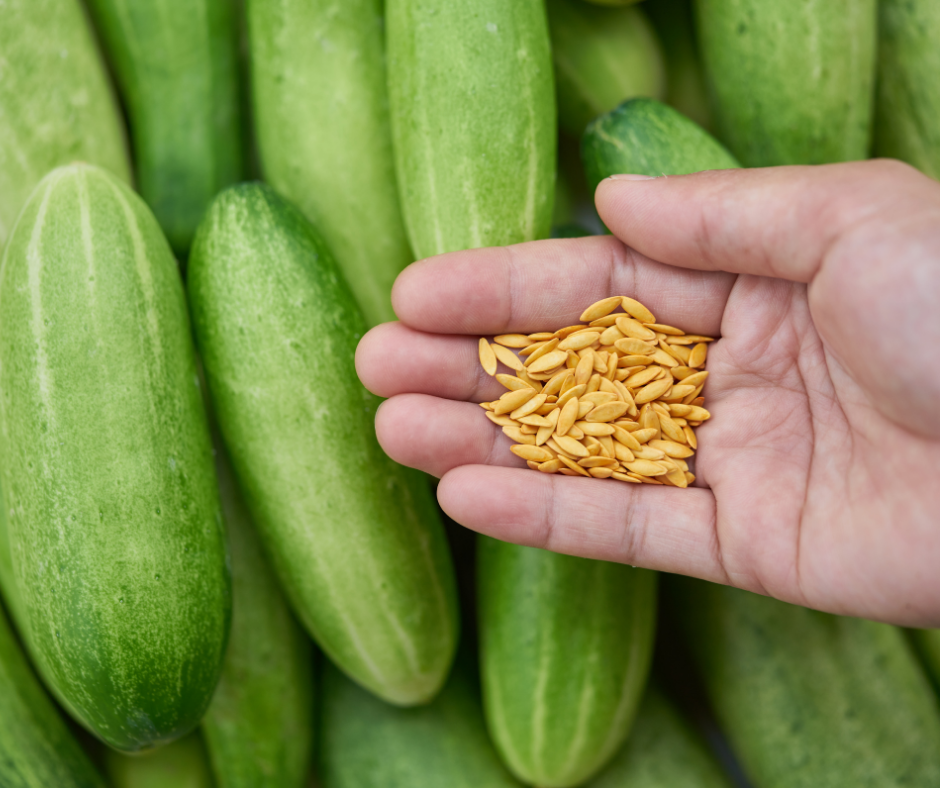
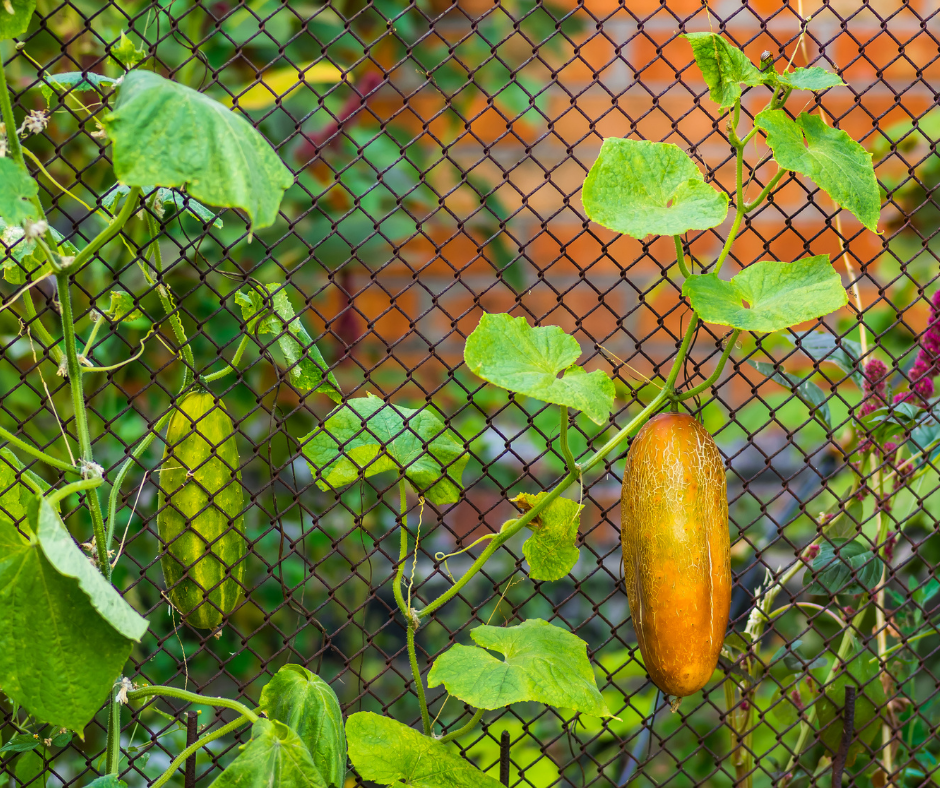
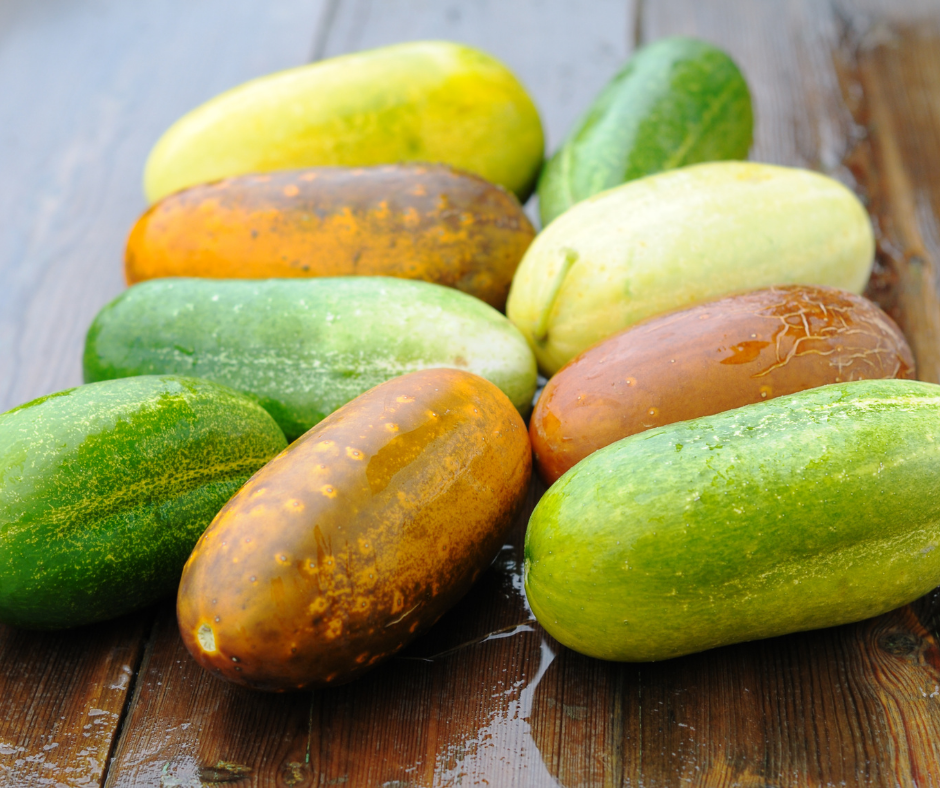
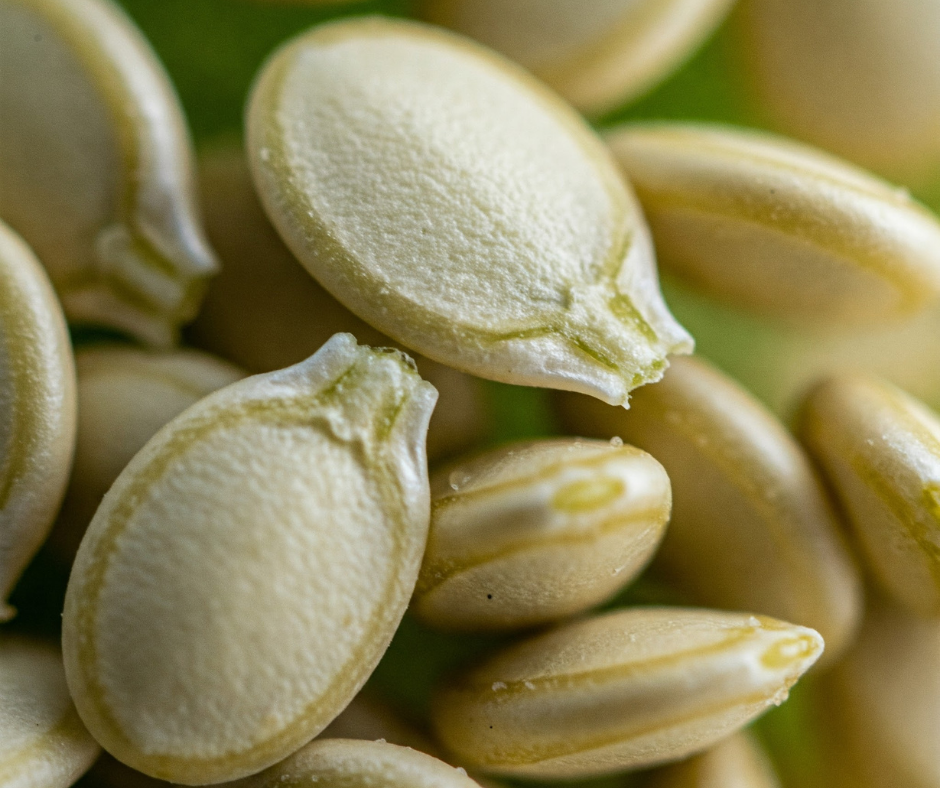
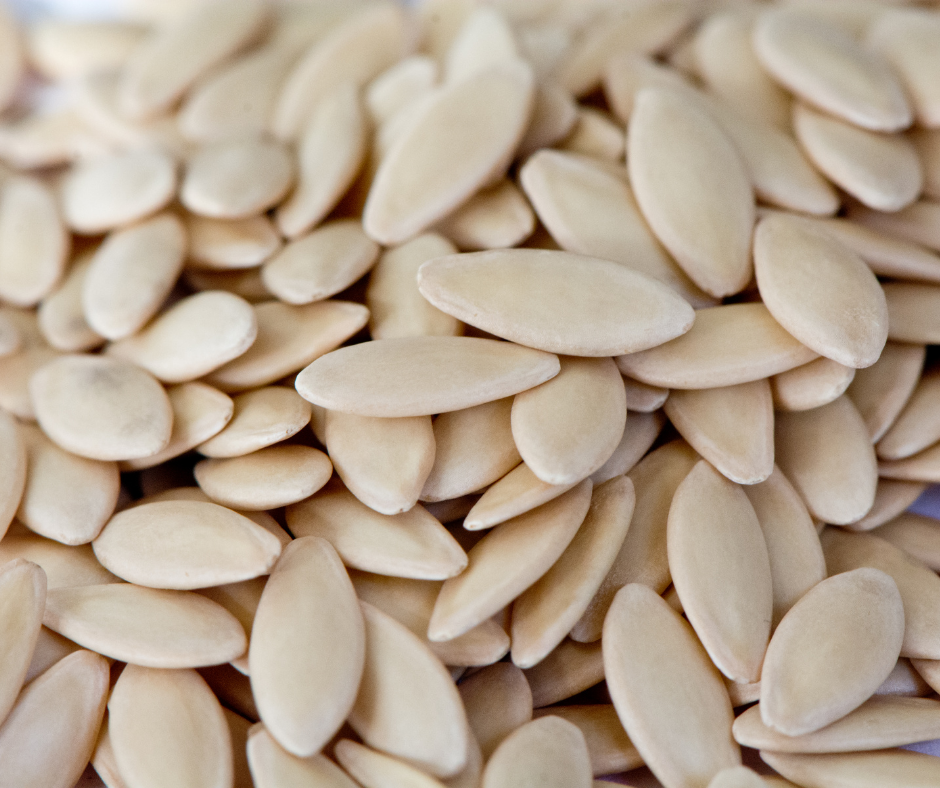
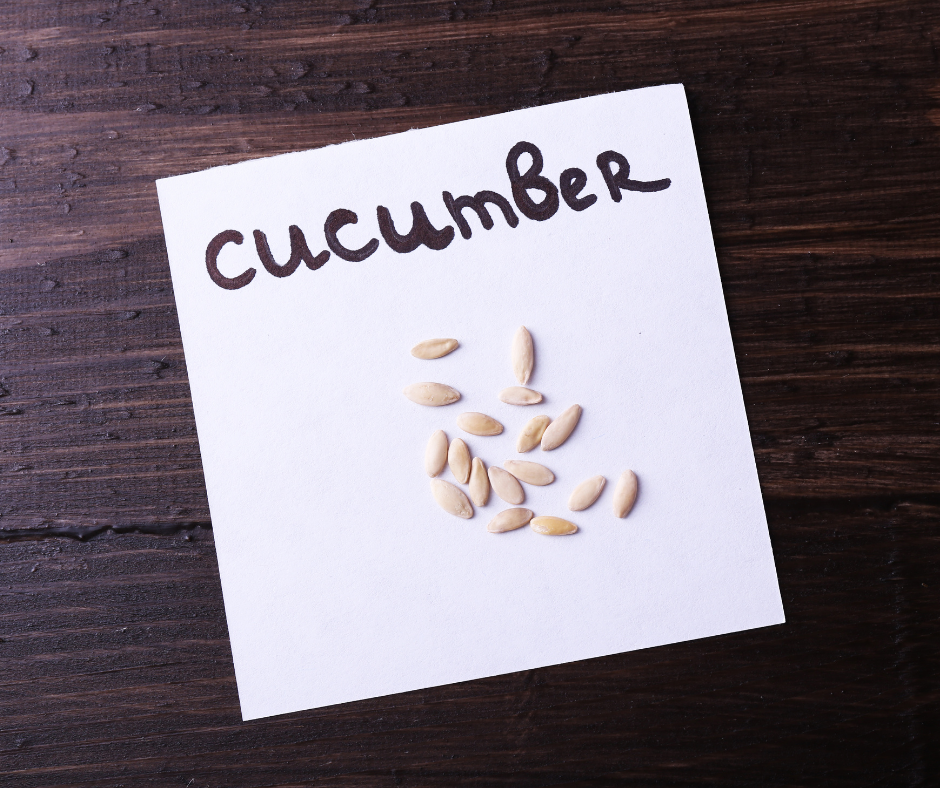
Cucumber seeds must come from fully mature fruits — often yellowing and past eating stage.
They benefit from a short fermentation step (like tomatoes) to remove the gel coating and improve germination.
Other more advanced seeds include:
Squash & pumpkins — high cross‑pollination risk
Brassicas — long season to set seed
Carrots & parsnips — biennials that only seed in year two
Chillies & peppers — simple, but cross‑pollination can affect results
They’re absolutely manageable — they just need a little extra planning.
🌾 Tips for Success
- Save seeds from open‑pollinated or heirloom varieties, not hybrids (F1).
- Always label your seeds — you will forget.
- Store seeds in small batches to avoid losing everything to mould.
- Share and swap with others to build diversity.
- Keep a simple seed‑saving journal to track what works best in your garden.
🫘 Save Your Seeds
Seed saving is one of the simplest ways to make your garden more sustainable, more affordable, and more personal. It connects you to the full life cycle of your plants and helps preserve varieties that might otherwise disappear. Whether you’re collecting marigold seeds for the first time or experimenting with cucumbers and tomatoes, each saved seed is a small step toward a more resilient, low‑waste garden.
📝 Affiliate Disclosure: To keep this guide free and accessible, I use affiliate links where appropriate. If you make a purchase, I may earn a small commission—never influencing the price you pay. Every recommendation is based on hands-on experience or thorough research tailored to UK gardens.