🌡️ Hot Composting Made Simple: Fast, Efficient, and Eco-Friendly Soil Building

What is Hot Composting?

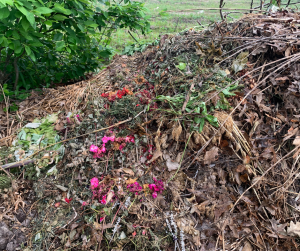
Hot composting is an active, hands‑on method that accelerates decomposition by creating ideal conditions for microbial activity. When managed well, the pile heats to around 55–70°C — hot enough to break down organic matter quickly and destroy many weed seeds and pathogens.

🌡️

🌡️ Hot Composting Method: Step-by-Step

To achieve the high temperatures that define hot composting, each stage needs to be done with intention. This step‑by‑step method shows you how to layer materials, manage airflow, and maintain the microbial activity that drives rapid decomposition.

Step 1: Choose Location 📍
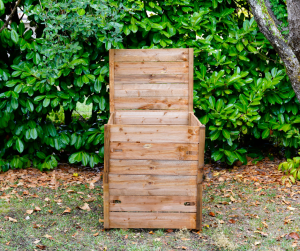
Step 1: Select a Suitable Composting Location 📍
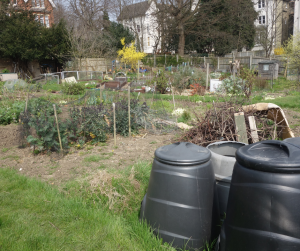
✅ The ideal location is a sunny, sheltered, and well-drained spot with easy year-round access. 
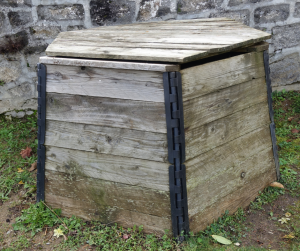
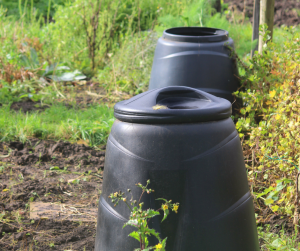
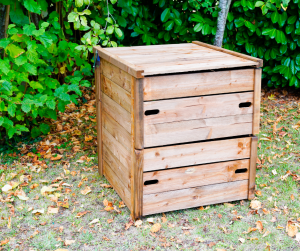
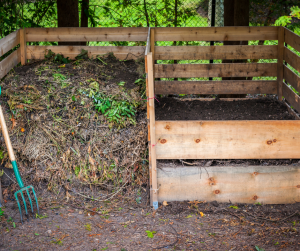
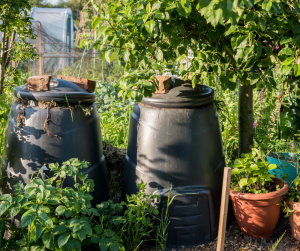
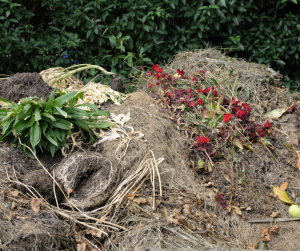
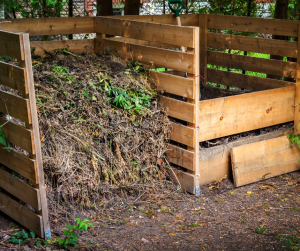
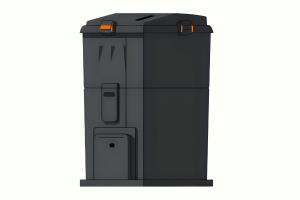
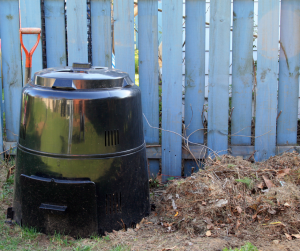
  • Use a compost bin, heap, or enclosed bay.
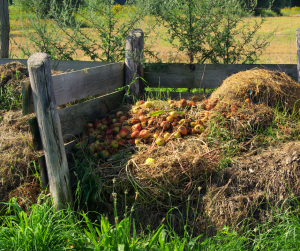
  • Heap or bays should be at least 1 m³ to retain heat.
What Makes the Location Ideal
☀️Sunlight: Warmth is Key

☀️ Aim for full or partial sun to help raise and maintain internal compost temperatures. 

🌑 Avoid deep shade– this slows microbial activity and heat build-up.

😎 Some summer afternoon shade is helpful to prevent compost bin drying out too quickly. 

🛡️ Shelter: Protect from Wind and Rain

✅ Choose a sheltered spot, such as near a fence, hedge, or shed, to reduce heat loss from wind exposure.

 🚫 Avoid placing it in a wind tunnel or fully exposed area, which can cool the pile and dry it out.

🌱 Ground Surface: Drainage and Microbial Access

Place your bin directly on soil, grass, or sand, not on concrete or decking. If placing on turf, consider lifting a small patch to expose soil directly—especially helpful for faster microbial colonisation.

Why it matters:

🐛 Microbial access – Soil contact invites beneficial microbes and worms to join the composting process.
💧 Drainage – Excess moisture can escape naturally, preventing soggy or anaerobic conditions.
📏 Stability – A level surface helps maintain even heat distribution and prevents tipping or shifting.

🚪 Accessibility: Make It Practical

🚮 Ensure it’s easy to reach year-round, even in winter or wet weather.

🏚️Being close to your kitchen or garden beds makes adding scraps and using finished compost more convenient.

🌬️ Avoid placing it right against your house—leave space for airflow and maintenance.

🍃 Don’t put it under trees, as falling leaves and shade can interfere with heat retention.

Step 2: Gather Your Materials 🌿🍌

To fuel hot composting, you’ll need a good mix of browns (carbon-rich) and greens (nitrogen-rich).
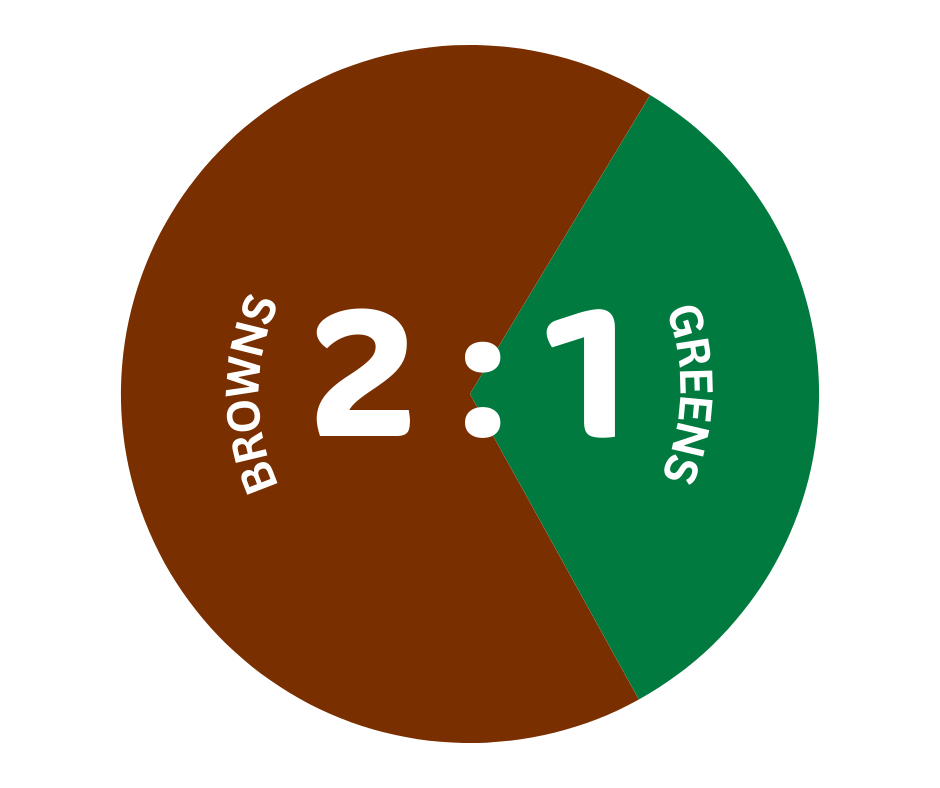
Aim for a 2:1 ratio — roughly two parts browns to one part greens by volume

🧪 Why the Ratio Matters

🟢🟢🟢 Too many greens = soggy, smelly, slow

🟤🟤🟤Too many browns = dry, cold, sluggish

🟤🟤🟢 The 2:1 balance keeps microbes happy and heat levels high

🟤 Browns (Carbon-rich):

  • shredded cardboard
  • dry leaves
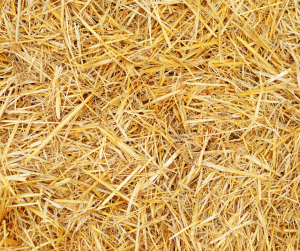
  • straw
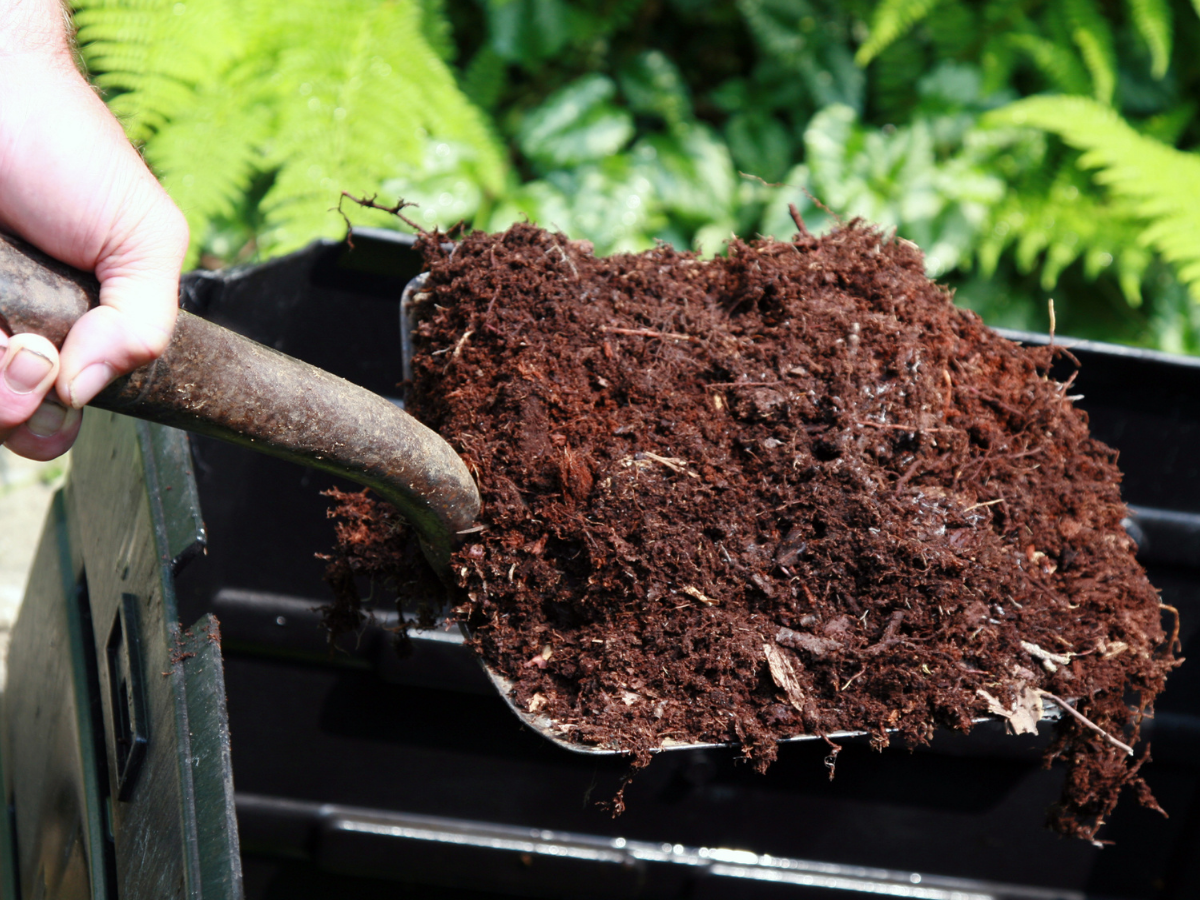
  • coconut husk
  • sawdust

🟢 Greens (Nitrogen-rich)

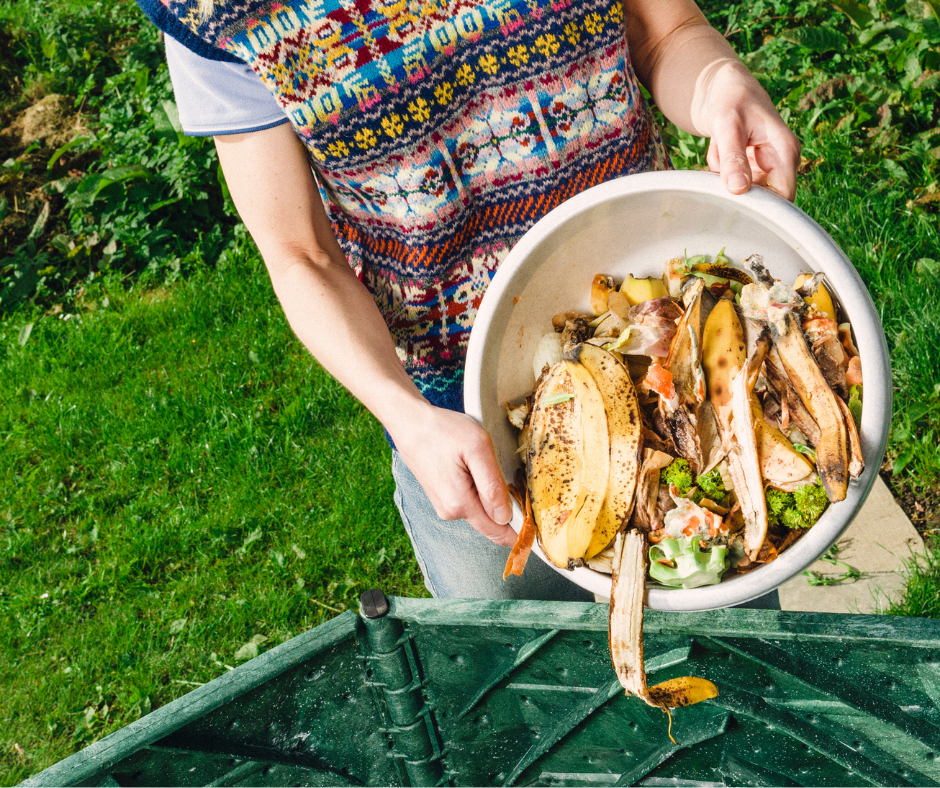
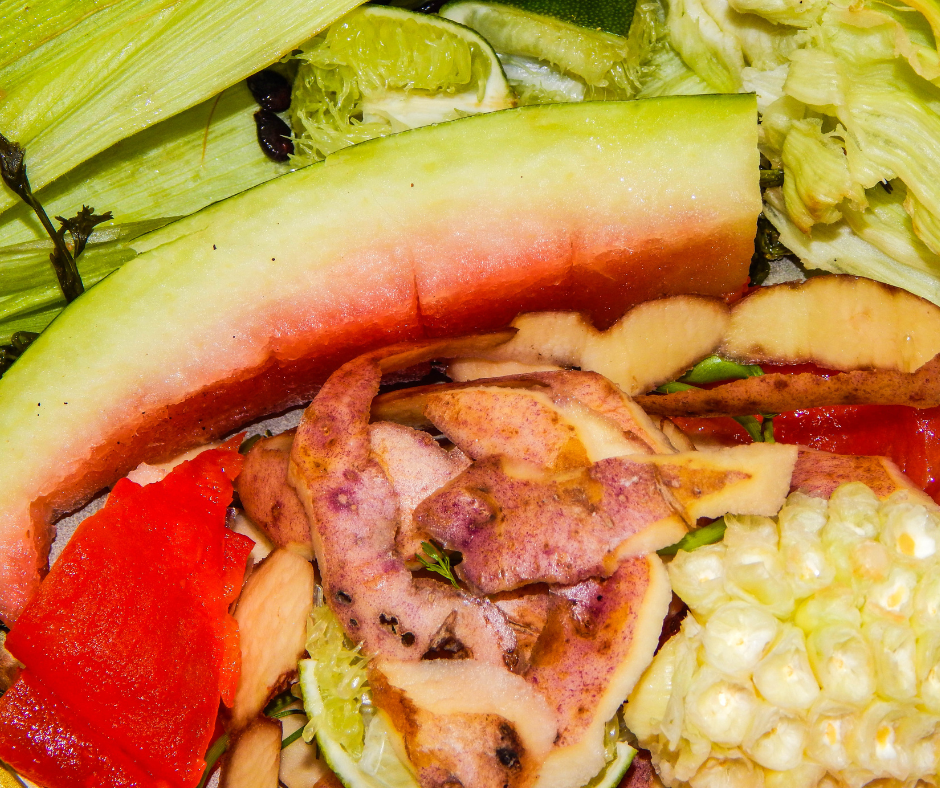
  • fruit & veg scraps
  • grass clippings
  • manure (herbivore only)
  • coffee grounds & tea leaves
  • Plant trimmings (green)
Step 3: Layer & Build 🧱

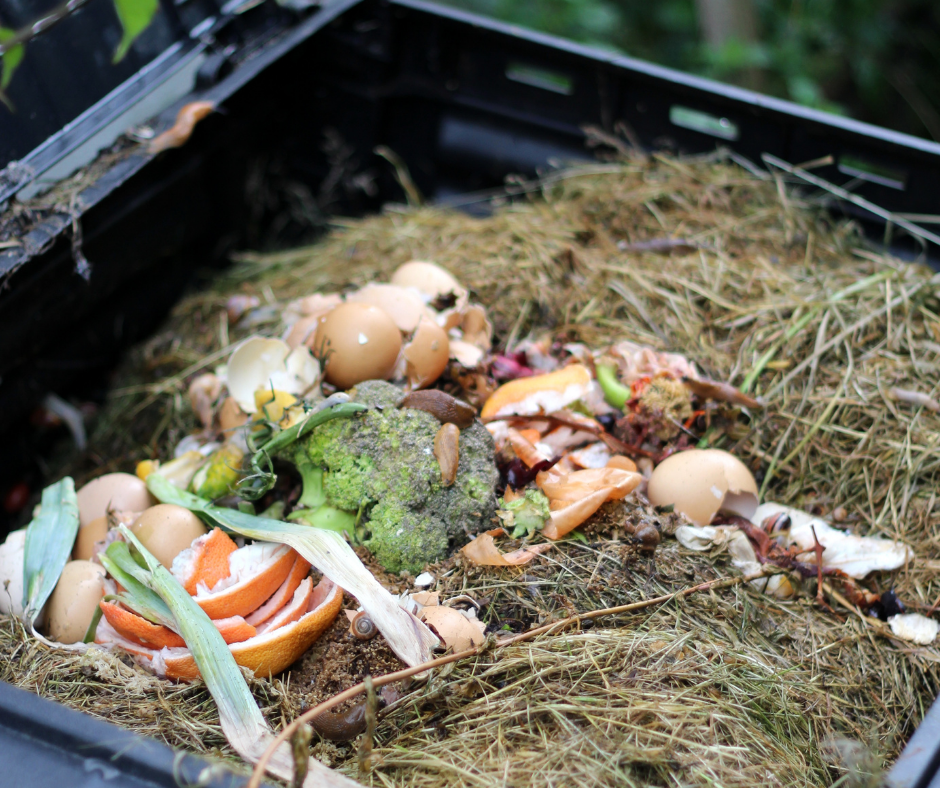
Create a balanced, microbe-friendly compost pile by layering materials thoughtfully.

🔁 Alternate Thin Layers

Greens (nitrogen-rich) and browns (carbon-rich) should be added in thin, alternating layers.
➡️ This helps maintain airflow, moisture balance, and even decomposition.

🧪 Microbial Kickstart

Add a handful of finished compost or garden soil between layers.
➡️ This introduces beneficial microbes to jumpstart the breakdown process.

💧 Moisture Check

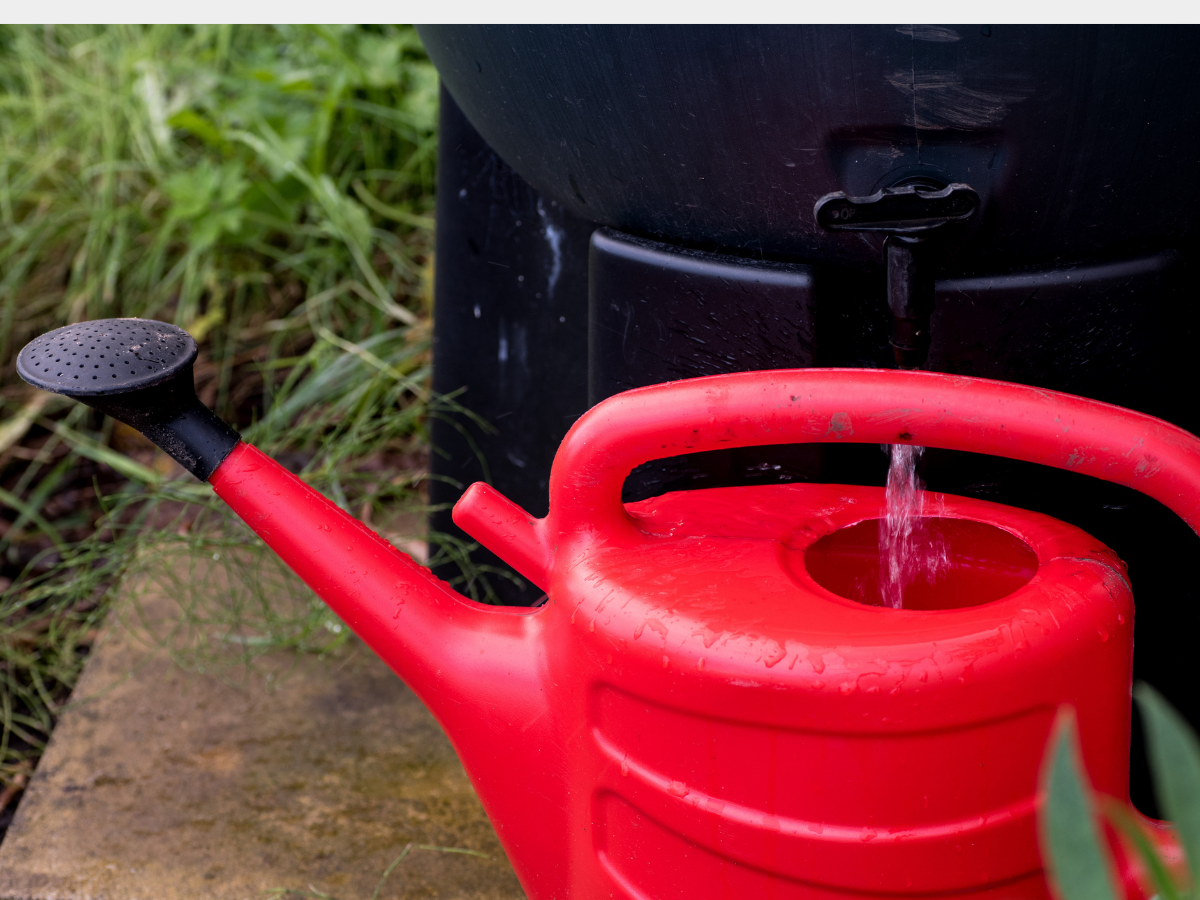
Moisten each layer as you build.
Your compost should feel like a wrung-out sponge 🧽—damp but not dripping.

  • If it’s too dry, add water or wetter greens.
  • If it’s too wet, mix in extra browns like shredded cardboard or straw.

Step 4: Monitor Temperature 🌡️

Tracking heat is key to successful hot composting.

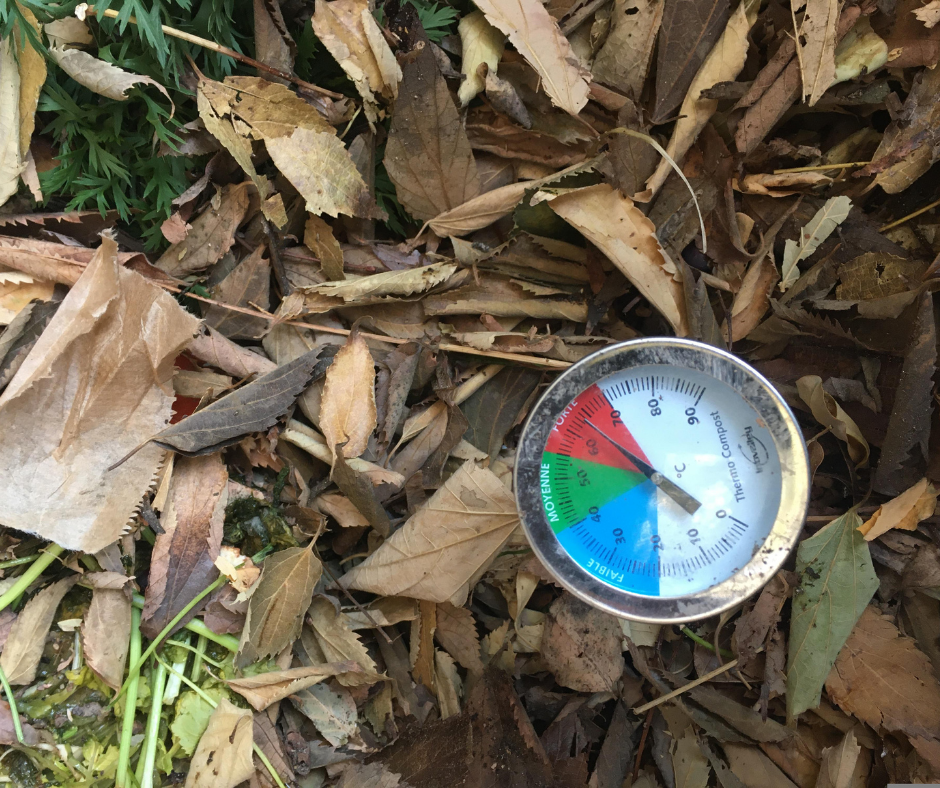
Ideal range: 55–65°C (131–149°F)

This range is hot enough to:

  • Kill off most pathogens
  • Destroy weed seeds
  • Speed up decomposition

🌡️ How to Measure
  • Use a compost thermometer with a long probe to check the core temperature.
  • Insert it into the centre of the pile, ideally daily during the first week

⏱️ When to Expect Heat

If built correctly, your compost should heat up within 2–3 days.

⚖️ A well-balanced mix of greens and browns, proper moisture, and good airflow are essential.

🔄 What If It’s Too Cool?

➕🟢 Add more greens (nitrogen) to boost microbial activity.

💧 Check moisture—too dry or too wet can stall heating.

🪏 Turn the pile to improve aeration.

Step 5: Turn Regularly 🪏

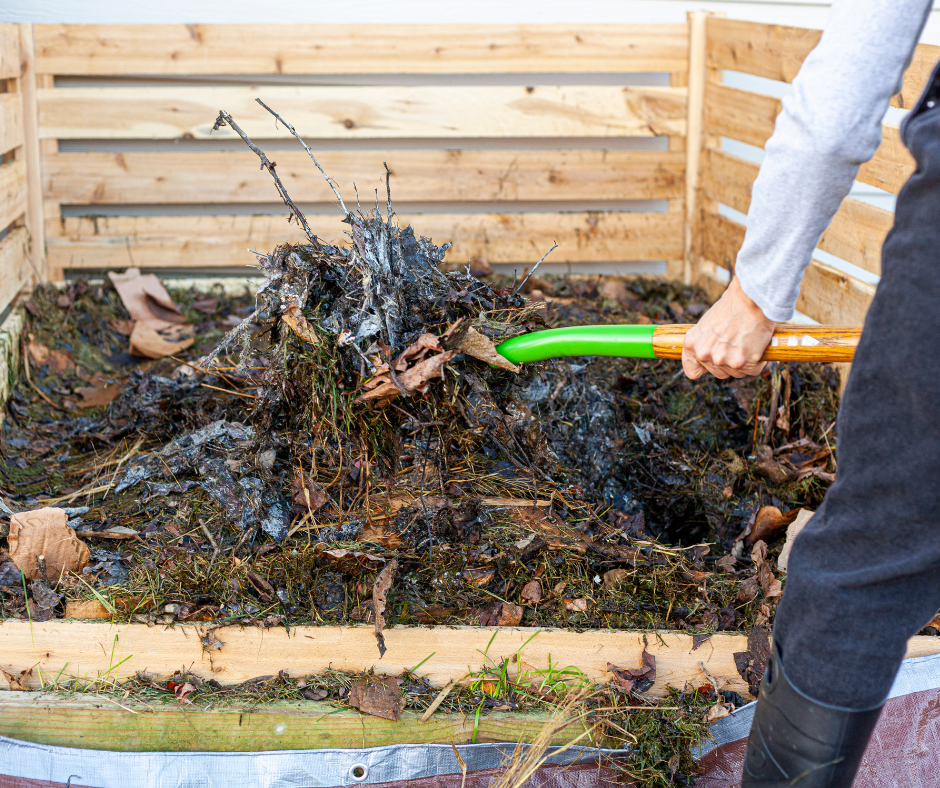
Turning keeps your compost aerated, evenly heated, and actively decomposing.

🪏 How Often?
  • Every 3–5 days is ideal for hot composting.
  • Frequent turning maintains oxygen levels and redistributes heat.

🔁 What to Do
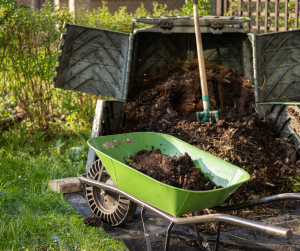
  • Use a garden fork, aerator tool, or shovel.
  • Mix outer material into the centre—this ensures all parts of the pile reach high temperatures and break down evenly.

🌬️ Why It Matters
  • Turning prevents anaerobic (smelly, slow) conditions.
  • It boosts microbial activity and speeds up composting.
  • Helps maintain the ideal temperature range of 55–65°C (131–149°F).

Step 6: Watch for Signs 👀
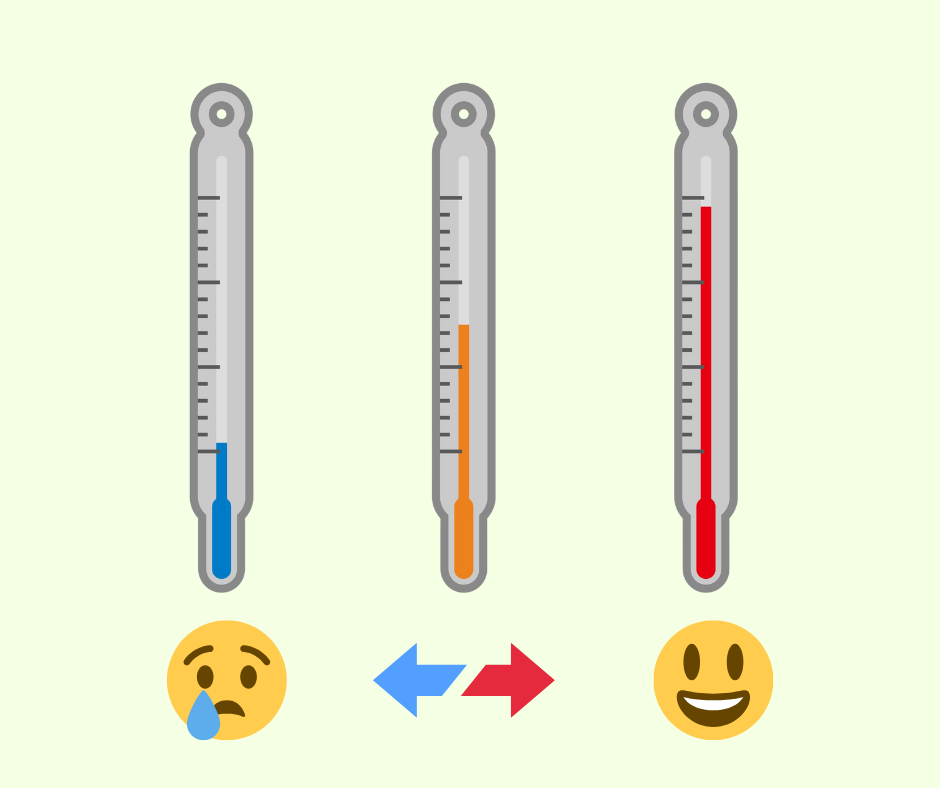
Your compost will tell you what it needs—if you know what to look for.

💧 Problem: Too Dry
 ⚠️ Signs:
  • Compost feels dusty or crumbly
  • No visible moisture
  • Slow decomposition

✅ Solutions:
  • Add water gradually while turning
  • Mix in wetter greens (e.g. veg scraps, grass)
  • Aim for a texture like a wrung-out sponge

💦 Problem: Too Wet or Smelly
 ⚠️Signs:
  • Pile is soggy or compacted
  • Smells sour or rotten
  • Leachate pooling at the base

 ✅Solutions:
  • Mix in more browns like shredded paper, cardboard, coconut husk, or straw
  • Turn the pile to improve airflow
  • Check drainage if on a non-soil surface

🌡️ Problem: No Heat
⚠️ Signs:
  • Pile remains cool after 2–3 days
  • Slow breakdown
  • No steam or warmth at the core

✅ Solutions:
  • Add more greens (e.g. grass clippings, manure)
  • Bulk up the pile—small heaps lose heat quickly
  • Check moisture and aeration
  • Add a microbial starter (e.g. garden soil or finished compost

✅ Step 7: Finish & Cure

After 3–6 weeks of active composting, the pile will naturally begin to cool down and shrink. This signals that the fast decomposition phase is complete.

🧘 Let It Cure

Once the pile cools, stop turning it and allow it to rest for 2–4 weeks. This curing phase lets microbes stabilise nutrients and finish breaking down any remaining material. 

🌱 Signs of Finished Compost
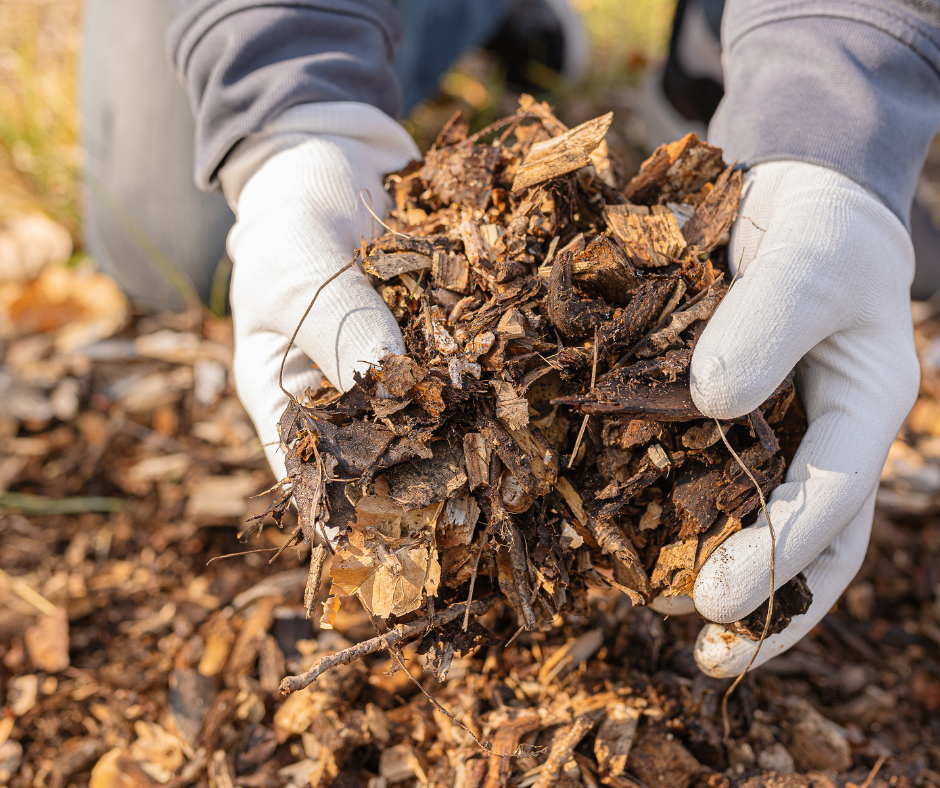
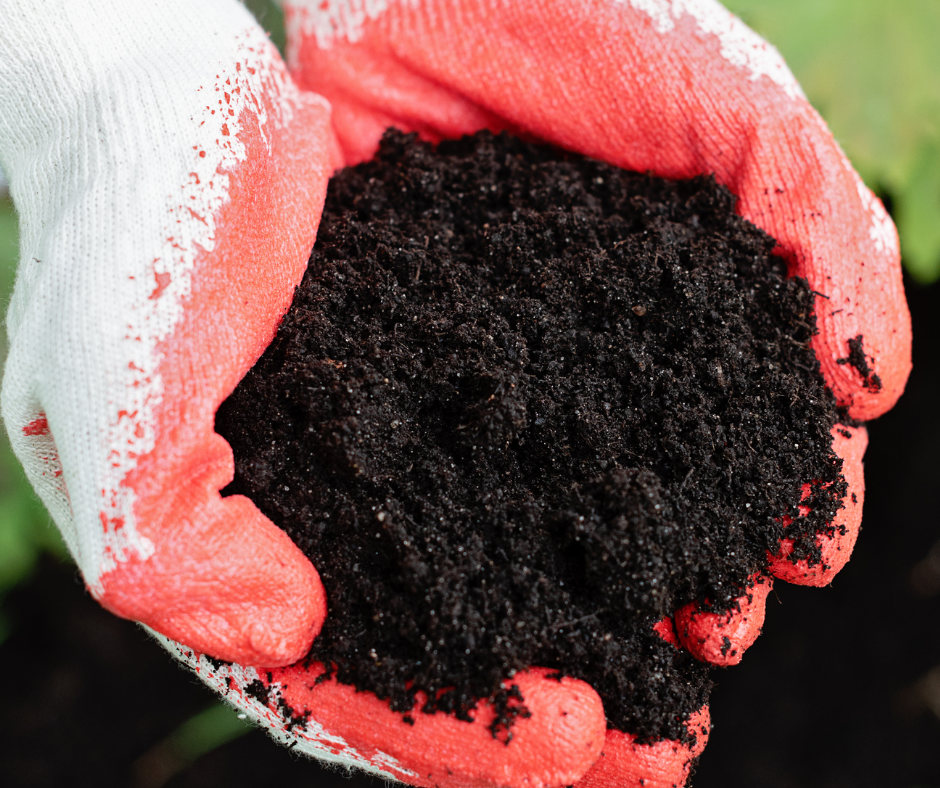
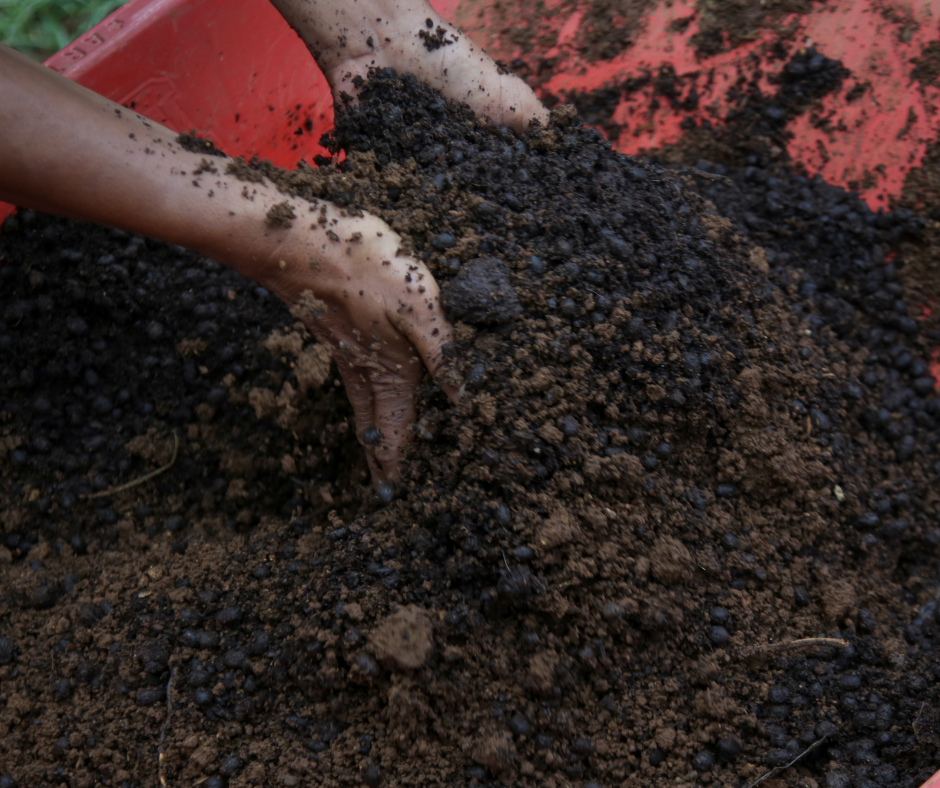
  • Dark and crumbly texture
  • Earthy smell (not sour or rotten)
  • No visible food scraps or recognisable materials

If the compost still looks chunky or smells off, give it more time to cure.

You can sieve it for finer texture or store it in a breathable container until ready to use.

Hot composting is one of the most effective ways to recycle organic waste and return nutrients to the soil. By keeping your pile active and well‑balanced, you’re supporting a healthier garden and reducing what goes to landfill — a win for you and the planet.
🌡️

📝 Affiliate Disclosure: To keep this guide free and accessible, I use affiliate links where appropriate. If you make a purchase, I may earn a small commission—never influencing the price you pay. Every recommendation is based on hands-on experience or thorough research tailored to UK gardens.

For more sustainable tips and inspiration, take a look at the newest posts.
The product display was implemented using the affiliate-toolkit WordPress plugin.