Hot Composters (aka Hot Bins)
D. J.
Environmental Advocate
Contents
Affiliate Note: Some links may earn a small commission — at no extra cost to you. I only recommend UK suppliers I trust.
🔥What is a Hot Composter?
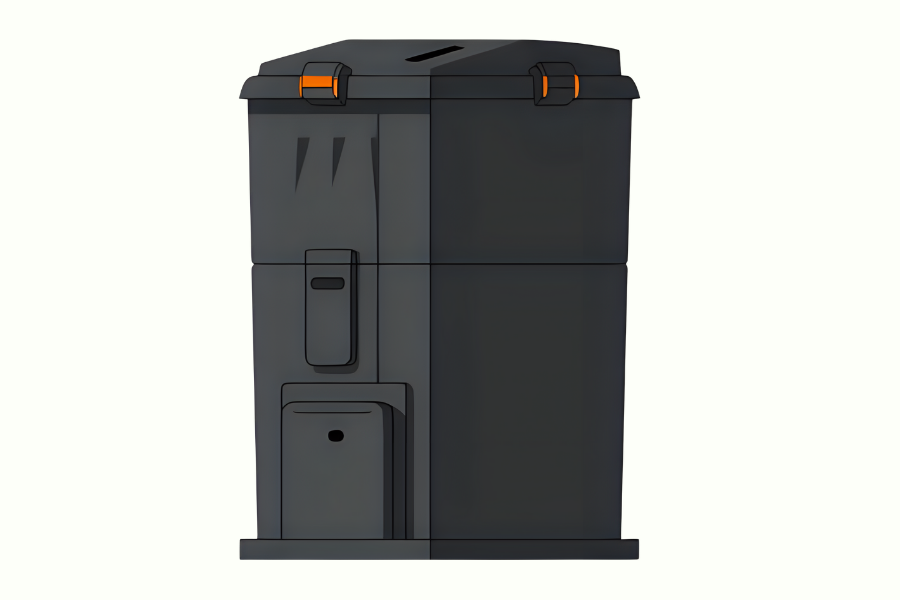
A hot composter, also known as a Hot Bin, offer a powerful way to speed up composting — even in cold UK winters. With insulated walls and clever airflow, they create the perfect environment for heat-loving microbes to break down food and garden waste quickly and efficiently
🌡️ How Do Hot Bins Work?
Hot bins trap heat and encourage aerobic microbes to thrive. Here’s how they do it:
- Insulated walls retain warmth, reaching 40–60°C (or higher)
- Aerobic microbes break down waste rapidly in high temperatures
- Air vents and drainage prevent soggy, compacted layers
- Nitrogen-rich inputs (e.g. cooked food, grass clippings) fuel microbial activity
- Carbon-rich materials (e.g. shredded paper, leaves) balance the mix and reduce odours
- Regular feeding and occasional mixing keep oxygen flowing
- Compost is ready in 30–90 days, depending on inputs and conditions
⭐ Benefits of Hot Bin Composting
- Fast results — compost in weeks, not months
- Handles cooked food and meat safely
- Works year-round, even in cold UK weather
- Compact and sealed — ideal for small gardens or urban spaces
- Reduces landfill waste and supports sustainable livin
🛒 Hot Bin Composting — UK Picks
Looking to get started with hot composting? Below are trusted UK suppliers for Hot Bins, accessories, and composting extras — carefully chosen for beginners, schools, and small gardens.
Recommended Supplier
🛒 Original Organics: Thermo-King Hot Composter
~£80-121
Item Details
Dimensions:
400L // 740 × 740 × 840 mm Weight 13 kg (~£83)
600L // 800 × 800 × 1040 mm Weight 16.8 kg (~£91)
900L // 1000 × 1000 × 1000 mm Weight 21 kg (~£121)
Features: Flat Packed, Easy to fill thanks to two, large filling hatches, Fast composting due to optimal aeration system and thermo walls made from thermolene, Assemble without tools, flat packed, Cover lock for summer / winter operation to regulate the air circulation and for wind-proofing,
Material: Made from 100% recycled material (PP)
Link: https://tidd.ly/4pUX8Vq
🛒 Original Organics: 200 L Aerobin Hot Composter
~£180
Item Details
Features: With Leachate hose extension kit.
Dimensions: Height: 15.9cm Width: 54cm Depth: 49cm Weight: 15.9kg
Materials: 100% UV protected recycled plastic
Link: https://tidd.ly/46MUMiG
🛒 Original Organics: 600 L Aerobin Hot Composter
~£380
Item Details
Dimensions: Height: 170cm Width: 74cm Depth: 74cm
Aerobin compost bin has a base, access door, lid, and a Leachate Tank
Link: https://tidd.ly/46GKbXP
🥕 What Can You Compost in a Hot Bin?
Hot bins handle a wider range of materials than traditional composters:
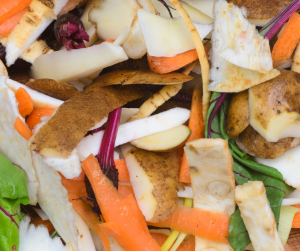
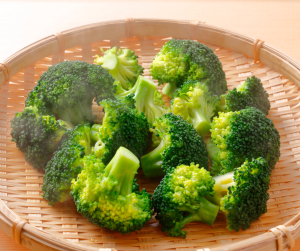
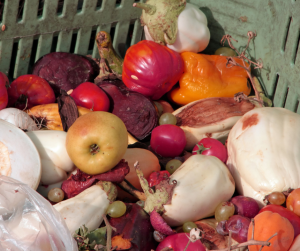
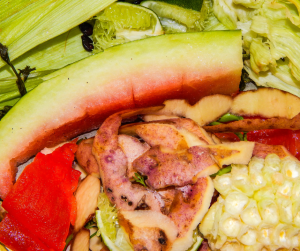
- Cooked and raw food scraps (including meat, dairy, and bread)
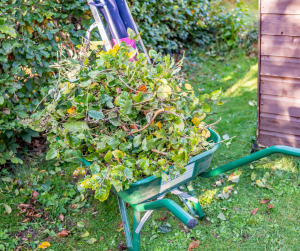
- Garden waste (leaves, grass, prunings)
- Shredded paper and cardboard
- Compostable packaging (check for EN13432 certification)
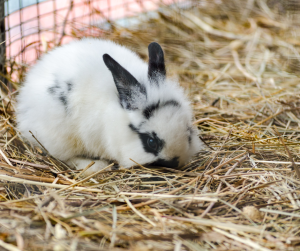
- Pet waste (from herbivores only — e.g. rabbits, guinea pigs)


🚫 What Not to Add to Hot Bins?
- Non-compostable packaging: Avoid anything without EN13432 certification.
- Non-Organic Materials: Plastic, glass, and metal.
- Large woody branches: Too slow to break down — shred first or compost separately
- Oily or greasy food waste: Can cause smells and slow decomposition
- Liquids: Excess moisture disrupts airflow and encourages pests
- Pet waste from carnivores: Avoid dog or cat waste due to hygiene risks
- Diseased plants: May spread pathogens — dispose via council green waste
🤔 Understanding Browns & Greens in Composting
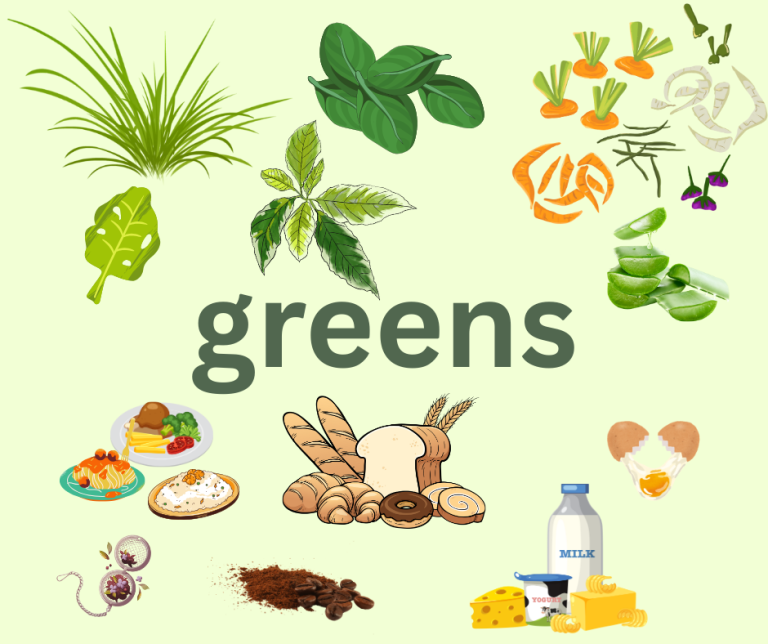
🟤 Browns and 🟢 Greens?
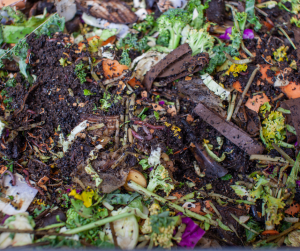
Compostable materials are often grouped into Browns and Greens to help maintain a healthy, balanced compost bin.
Successful compost systems need both:
- Browns provide structure, porosity, and absorb excess moisture.
- Greens fuel microbial activity
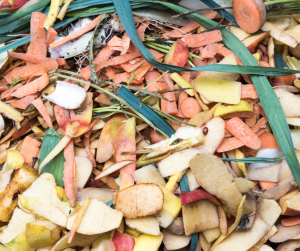
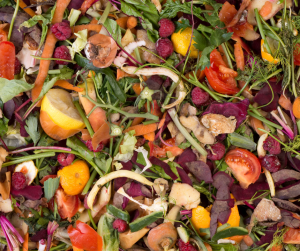
GREENS
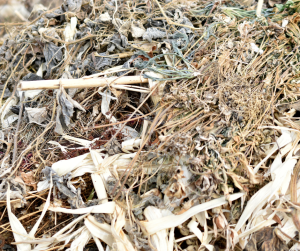
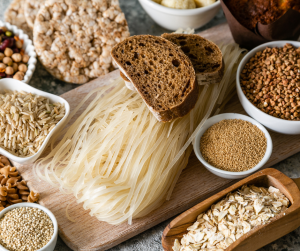
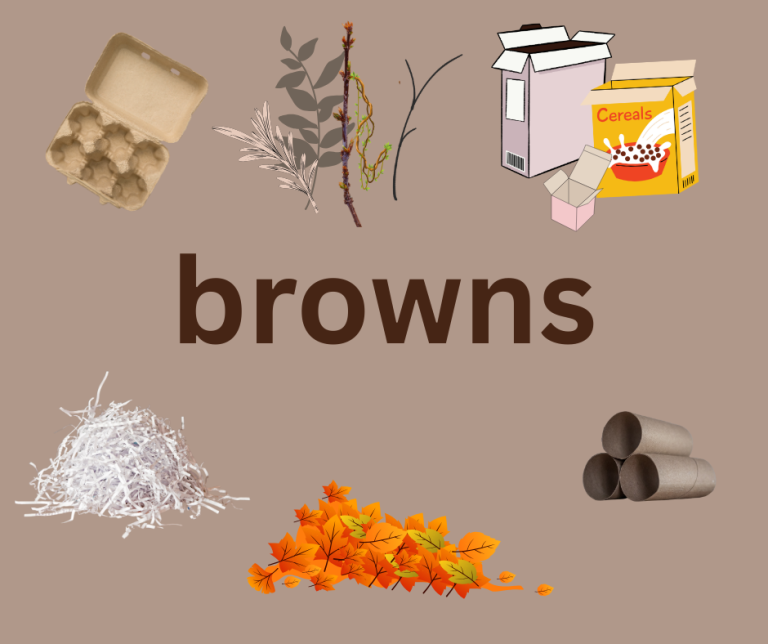
BROWNS
⚖️ Balancing Ingredients
Adding the right mix of materials into your hot bin composter is vital to get the most out of your composter. The balance between them is what keeps the temperatures high enough (40-60 °C+) for the hot composting process to occur.
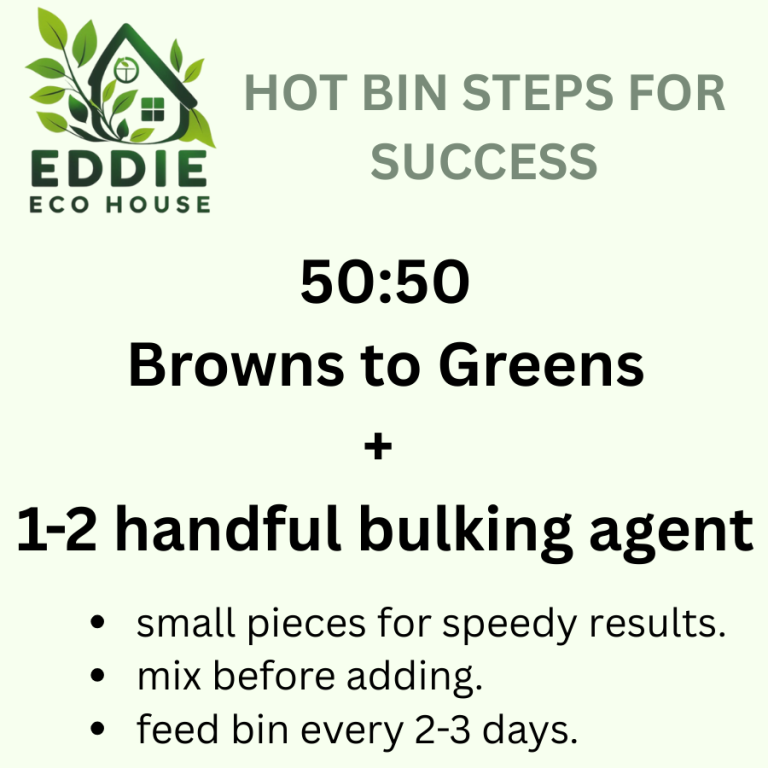
The right balance is roughly 50:50 Greens to Browns, with a handful or two of bulking agent sprinkled in.
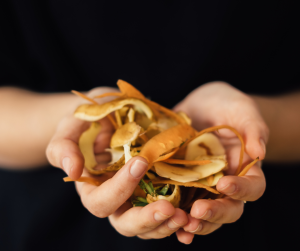
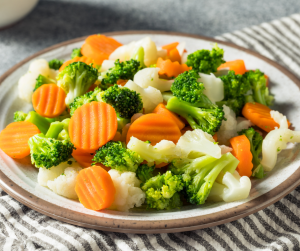
- Fruit and Veg scraps.
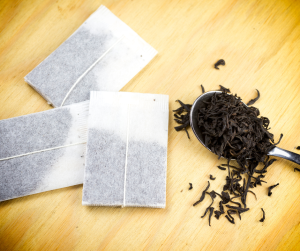
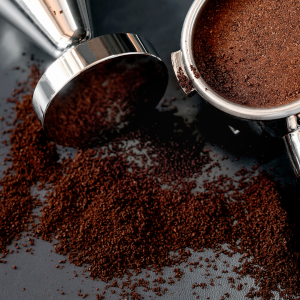
- Coffee grounds, tea leaves (some teabags – check the packaging).
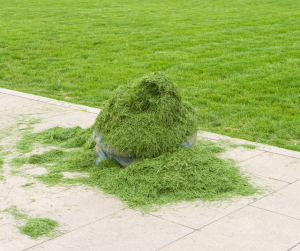
- Grass cuttings & plant trimmings.
- Small amounts of cooked foods.
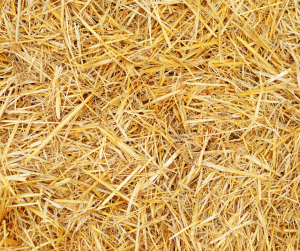
- Shredded paper.
- Ripped up cardboard.
- Woody plant trimmings (chipped or shredded).
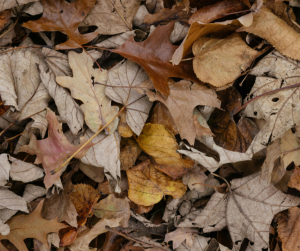
- Autumn leaves.
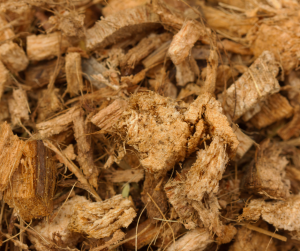
🪵 Bulking agents
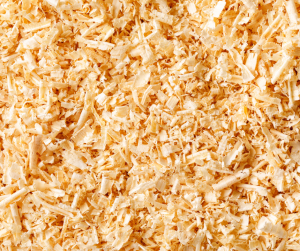
- Wood chips or bark.
- Twigs or shredded sticks.
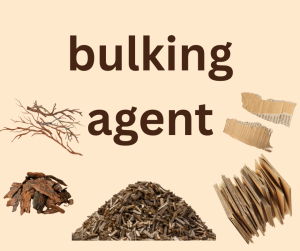
- Course cardboard.

These provide structure which is essential for airflow and prevents compaction. Good airflow allows oxygen to reach the microbes that are working to break down the waste. The structure formed helps to build the heat up evenly throughout the composting ingredients. It also speeds up drainage preventing your bin becoming waterlogged.
💧Moisture Matters
It’s important to achieve the right level of moisture within your Hot Bin. You should aim for a wrung-out sponge texture, not soggy but not dry.
This moisture level can be achieved without adding water, by using the correct balance of ingredients.
🟢 If it’s too dry, add greens.
🟤 If it’s too wet, add more browns.
⬇️ If you aren’t sure – do a squeeze test.
SQUEEZE TEST
Grab a handful of compost mix and squeeze it, if:
A few drops come out = perfect moisture level ✅
Liquid dribbles out = too wet ⚠️
Falls apart without clumping = too dry ⚠️
💡 Tips For Success
Balancing your ingredients is the cornerstone of successful hot bin composting, but there’s more to unlocking its full potential. Here are some extra tips to keep your compost cooking efficiently and speed up the journey to rich, nutrient-packed soil
🥄Mix before adding:
Rather than just layering them, mix similar amounts of greens and browns and a handful of bulking agents together before adding them to the hot bin.
🔪 Small pieces for speedy results:
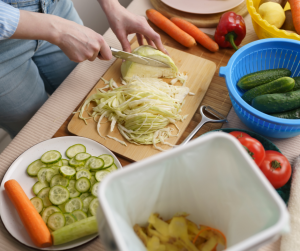
Cutting your scraps and ripping the cardboard into small pieces will speed the process up as they decompose quicker.
🗓️ Regular feeding
Feed your hot bin every 2–3 days to keep microbes active and temperatures high — little and often works better than big, infrequent loads.
🌬️ Aeration
The bulking agent adds air pockets and structure, so make sure to add it with every feed. Then you won’t need to turn the whole bin.
🌡️ Monitor Temperature
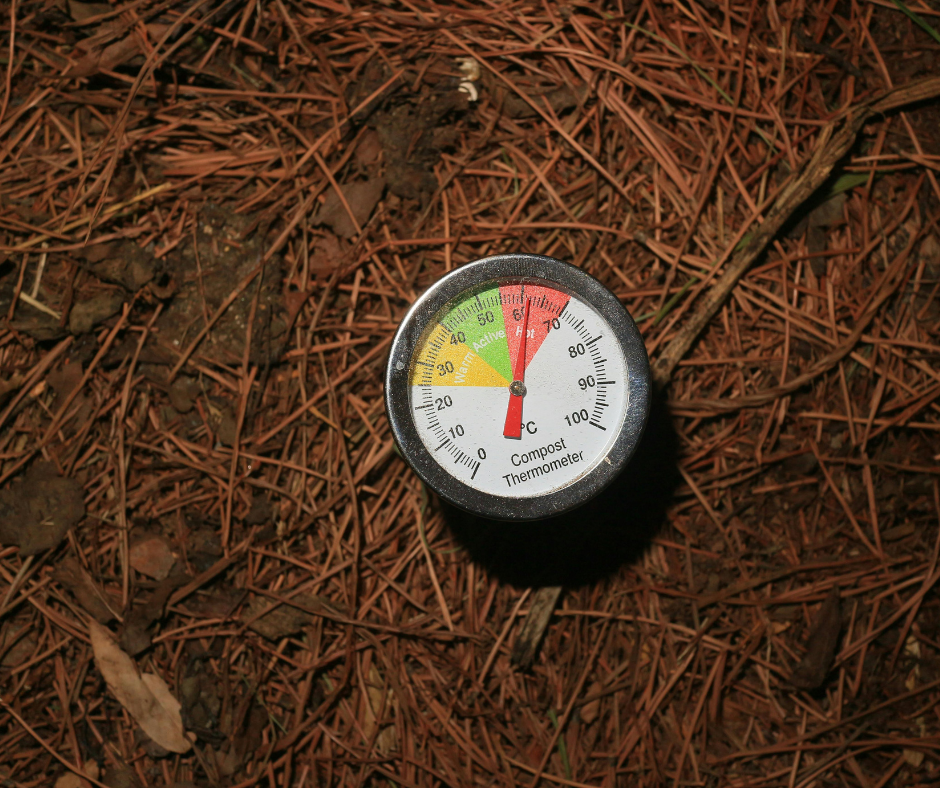
Use the built-in thermometer to check heat levels and keep composting on track.
🔒 Secure the Lid
Keep the lid closed tightly to trap heat and block pests — essential for maintaining temperature and hygiene.
🐞 Common Composting Worries (and Why You Can Relax)
Starting a composting journey can raise a few concerns—especially when things look slimy, smell strange, or attract unexpected visitors. But most of these worries are perfectly normal and easy to manage. This section explores common composting fears, explains what’s really going on, and offers simple ways to stay on track with confidence
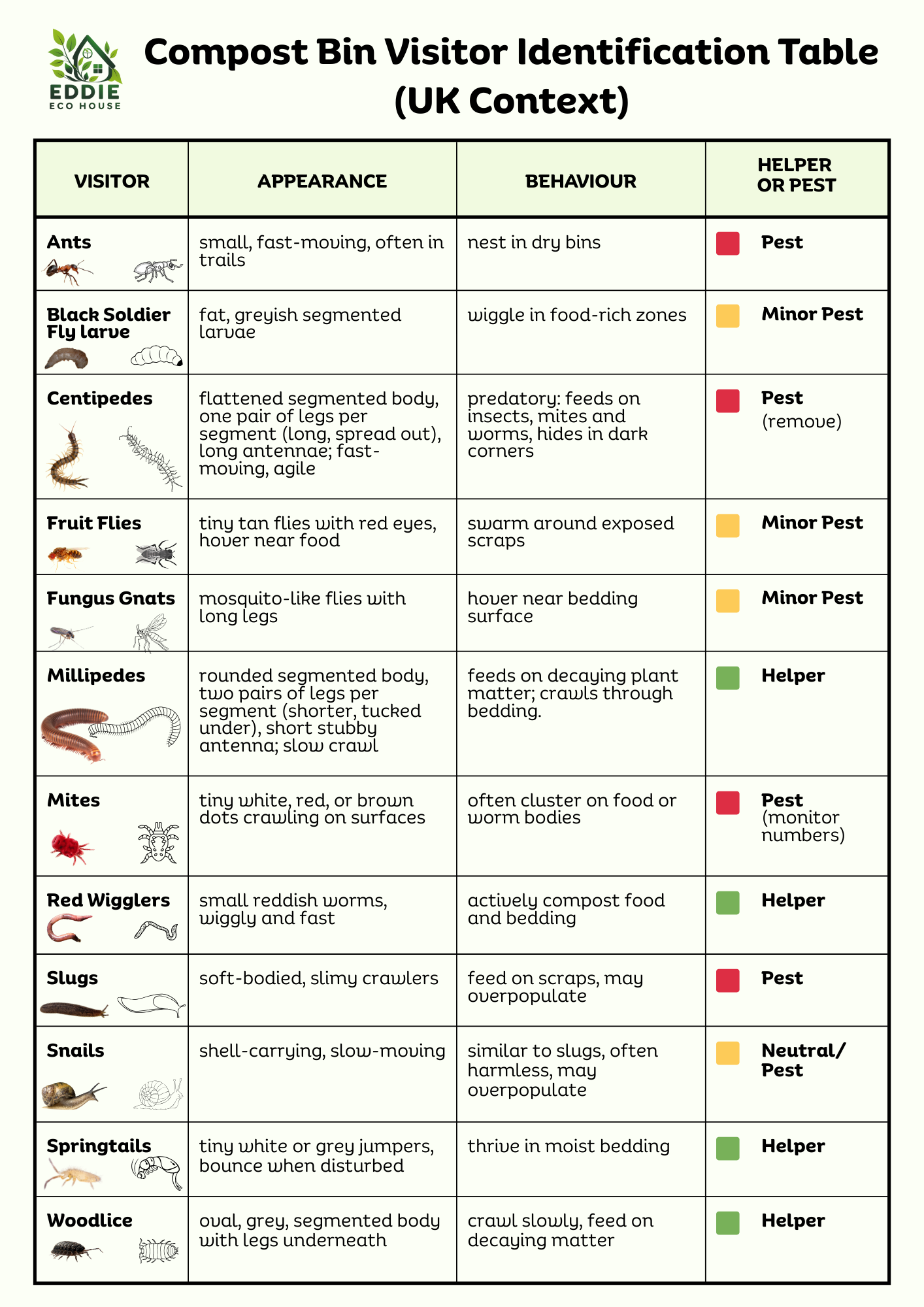
🐜 Worried about Pests?
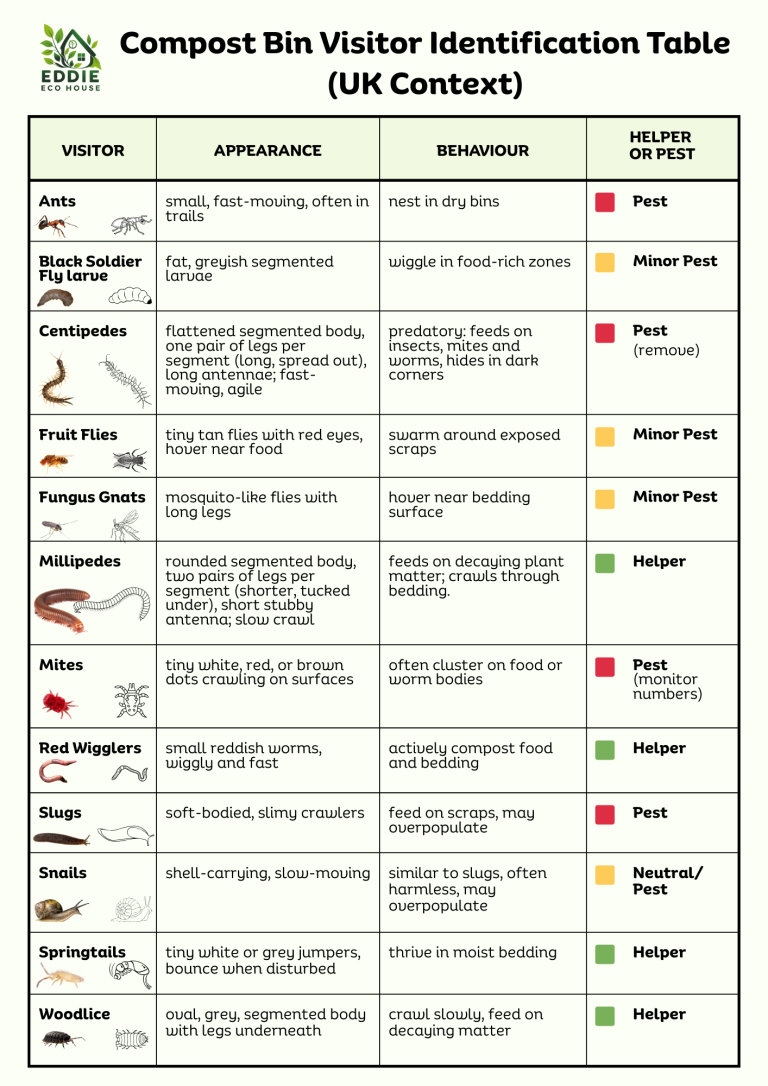
Hot bins are sealed and insulated, so pests are rare — but here’s what to expect and how to manage them:
🐛 Maggots (Fly Larvae)
A few maggots are normal early on — especially with fruit scraps. They help break down waste and usually disappear as the bin heats up. With regular feeding and rising temperatures, a well-managed hot bin should have very few flies or maggots.
🪰 Other Pests
Hot bins are sealed and insulated, so pests are rare — but here’s what to watch for:
- Fruit flies: Common with sweet scraps. Add more browns (like shredded paper) and keep the lid sealed.
- Ants: Usually a sign the bin is too dry. Add moist greens and mix well.
- Rodents: Very unlikely if the bin is sealed properly. Avoid placing it near compost heaps or feeding stations.
- Wasps: Attracted to sugary waste in summer. Keep the lid closed and avoid overfeeding fruit.
✅ Pest Prevention & Control
- Burying fresh scraps under existing compost layers.
- Cover fresh scraps with additional shredded cardboard or bulking agent.
- Keep the lid on tight.
- Ensure the bin is off the ground or in a well-ventilated spot.
👃Worried about Smells?
Hot bins break down waste quickly, so they rarely smell bad. Finished compost should have a pleasant, earthy scent.
✅ Prevention & Control:
- Cover fresh food waste with existing composting material
- Feed little and often to keep microbes active
- Avoid excess moisture and balance greens with browns
⚠️ If you notice a strong smell, something’s off — but it’s fixable. Head to our Troubleshooting Section for quick solutions.
🩺 Hot Bin Troubleshooting Guide
Even the best composting systems need a little fine-tuning now and then. If your Hot Bin isn’t heating up, smells unpleasant, or looks more like sludge than soil, don’t worry—these are common issues with simple fixes. This guide will help you identify what’s gone wrong, why it’s happening, and how to get your Hot Bin back to peak performance.
Too wet?
⚠️ Problem: Too Wet?
➡️ Cause:
You may have been adding more greens than browns. As green materials break down, they release a lot of moisture into the mix.
✅ Solution:
- 🟤 Add more browns (shredded cardboard/paper) to help soak up the liquid.
- ➕ Add extra bulking agent to increase drainage and airflow.
Too dry?
⚠️ Problem: Too dry
➡️ Cause:
Unbalanced ratio of Greens to Browns.
✅ Solution:
- 🟢 Adding green waste should increase the moisture content of the mix.
- 💧 If you’ve tried adding more greens and your compost is still very dry and fibrous, the temperature isn’t rising, or the mix feels dusty instead of spongey – you can add a small amount of water whilst mixing.
🧽 Remember to aim for the texture of a wrung-out sponge.
Bad odour?
⚠️ Problem: Bad odour
➡️ Cause:
Poor airflow or drainage has made the mix too wet and compacted. Without oxygen, good microbes slow down and smelly ones take over — causing bad odours and slow breakdown.
The compost may appear slimy, soggy, and more like sludge than soil, with cooler temperatures and a noticeable drop in breakdown speed.
✅ Solution:
💧 Drain the leachate from the base of the bin regularly.
🟡 Make sure you add bulking agent to keep a good airflow and structure.
- ⚖️ Balance your ingredients – try to roughly measure the ingredients with an indoor caddy. Add a full caddy of greens to a mixing bucket, use the caddy with ‘rough measure’ an equal amount of brown waste before adding and then add bulking agent and mix it well.
Slight smell when turning?
⚠️ Problem: Slight Smell When Turning?
➡️ Cause:
Sometimes you can end up with anaerobic (without oxygen) pockets within your aerobic (with oxygen) mix.
🔍 Signs:
- Localised smell: Whilst the bin smells earthy, you may notice a slight sour smell when turning your compost.
- Wet slime: You may find slimy layers amidst your crumbly compost.
- Cooler temperatures: Your hot bin as a whole is around 60°C, but you find cooler patches that are breaking down slower.
✅ Solution:
🟡🟤 Add some extra browns and bulking agents and turn the mix well.
- This should soak up the excess moisture and improves the aeration. This will allow aerobic microbes to break down these pockets, resulting in ideal composting.
✅ Prevention:
Prevention is possible, giving your balanced ingredients a good mix before adding can prevent these pockets from forming.
- 🔪 Chopping up large kitchen scraps and avoiding adding a full box of grass cuttings in one dense lump. These are the ingredients that are more likely to become slimy.
- ➡️ If you want to add a box of grass cuttings in one load, add extra bulking agent to offset the additional moisture.
Check your compost when you turn it.
Lots of liquid at the base?
⚠️ Problem: Lots of Liquid at the Base
➡️ Cause:
Dark liquid run-off, or leachate, at the base is caused by excess moisture from the breakdown of green materials.
✅ Solution:
- Add shredded paper and wood chips.
- Drain excess liquid.
✅ Prevention:
- Drain liquid regularly.
- Balance ingredients well.
Trouble with temperature?
⚠️ Problem: Not heating up or temperature drop?
➡️ Cause:
This could be caused by the wrong balance of ingredients, not enough bulking agent or by not feeding the Hot bin often enough – they like regular and frequent top ups (every 2-3 days).
✅ Solution and Prevention:
⚖️ Balance your ingredients
- Try to roughly measure the ingredients with an indoor caddy.
- Add one full caddy of greens to a mixing bucket, use the caddy with ‘measure’ brown waste before adding and then add bulking agent and mix it well.
🗓️ Feed regularly and frequently
- Try topping up with smaller amounts more frequently.
- This keeps the microbes active and maintains the heat.
🌍 Final Note
Hot bins are a brilliant option for UK households wanting fast, fuss-free composting — even in winter. With the right mix of inputs and a little care, you’ll turn food and garden waste into rich compost in no time.