🐦‍⬛ Bird-Friendly Gardens

A simple guide to creating a garden that supports wildlife, boosts biodiversity, and brings more life to your outdoor space

Why Create a Bird‑Friendly Garden

Birds are an essential part of a healthy garden ecosystem. They help control pests, spread seeds, pollinate certain plants, and bring movement, colour, and song into your outdoor space. Creating a bird‑friendly garden is one of the simplest ways to support local wildlife — even small gardens, balconies, and courtyards can make a meaningful difference

Benefits of Bird‑Friendly Gardens

  • Natural pest control — birds eat aphids, caterpillars, slugs, and other pests
  • Improved pollination — some species help transfer pollen
  • Seed dispersal — birds help plants spread naturally
  • Biodiversity boost — supporting birds supports the whole food web
  • Mental wellbeing — watching birds reduces stress and increases connection with nature
  • Seasonal interest — birds bring life to the garden year‑round

What Birds Love

  • Safe places to perch, nest, and shelter
  • A reliable supply of food (natural or supplementary)
  • Clean water for drinking and bathing
  • Dense shrubs and hedges for protection
  • Native plants that provide berries, seeds, and insects
  • Quiet corners where they won’t be disturbed
🐦‍⬛

🌼 How You Can Help

There are plenty of simple ways to support garden birds, from planting the right foods to offering clean water and safe places to rest. Small actions add up quickly.

🌱 Planting for Bird Food

Planting is the most sustainable way to support birds. Choose a mix of species that provide food across the seasons.

Plants for seeds

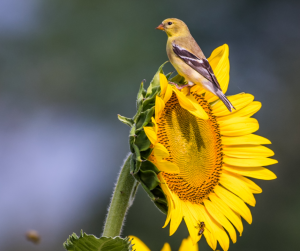
  • Sunflowers
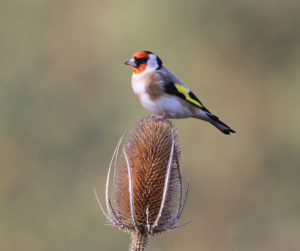
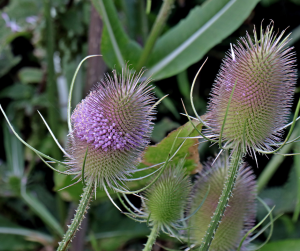
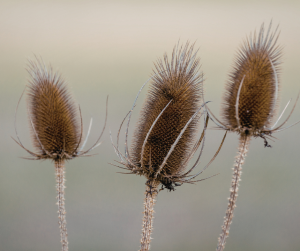
  • Teasel
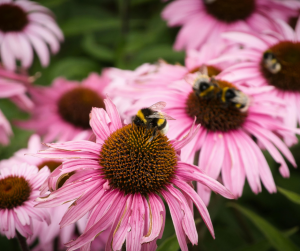
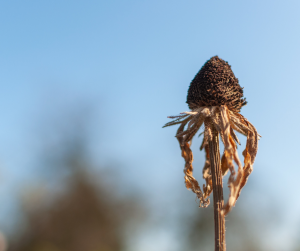
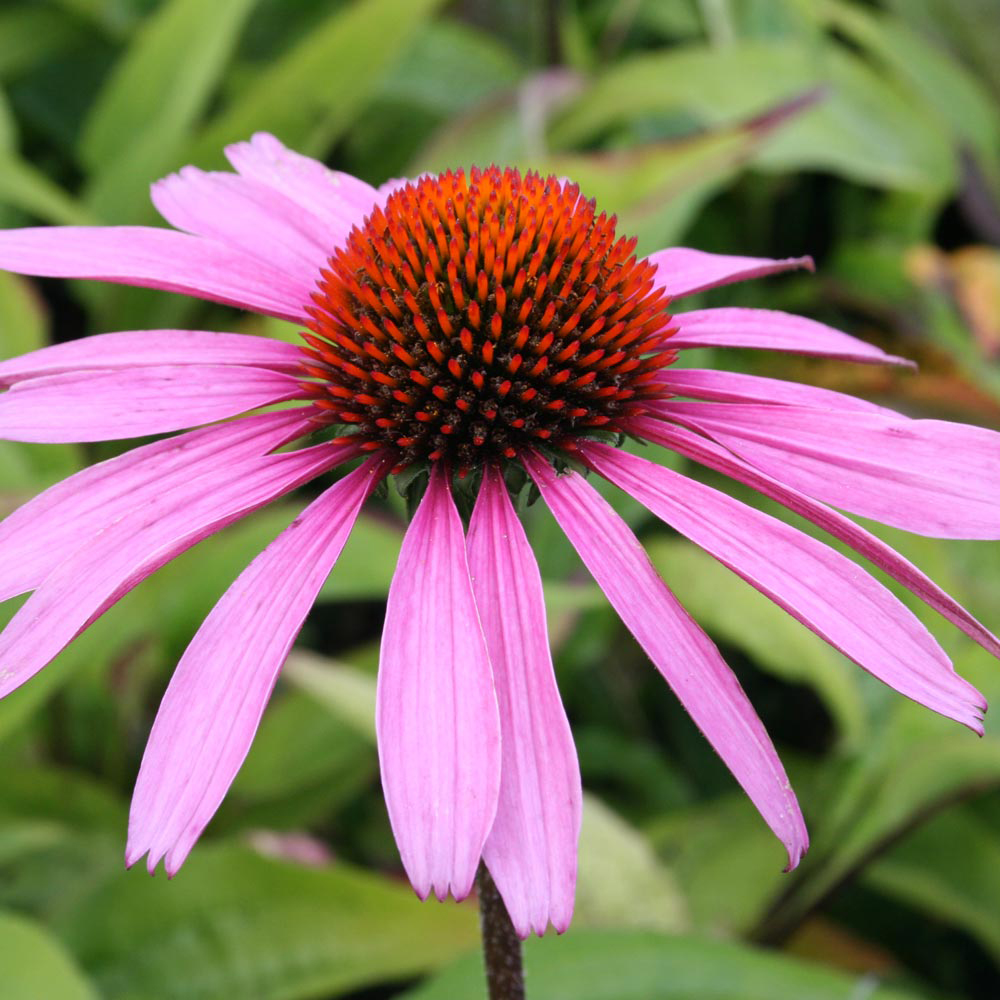
  • Coneflowers (Echinacea)
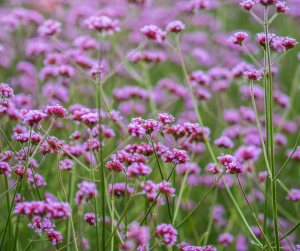
  • Verbena bonariensis
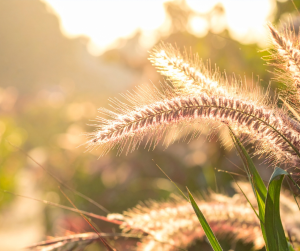
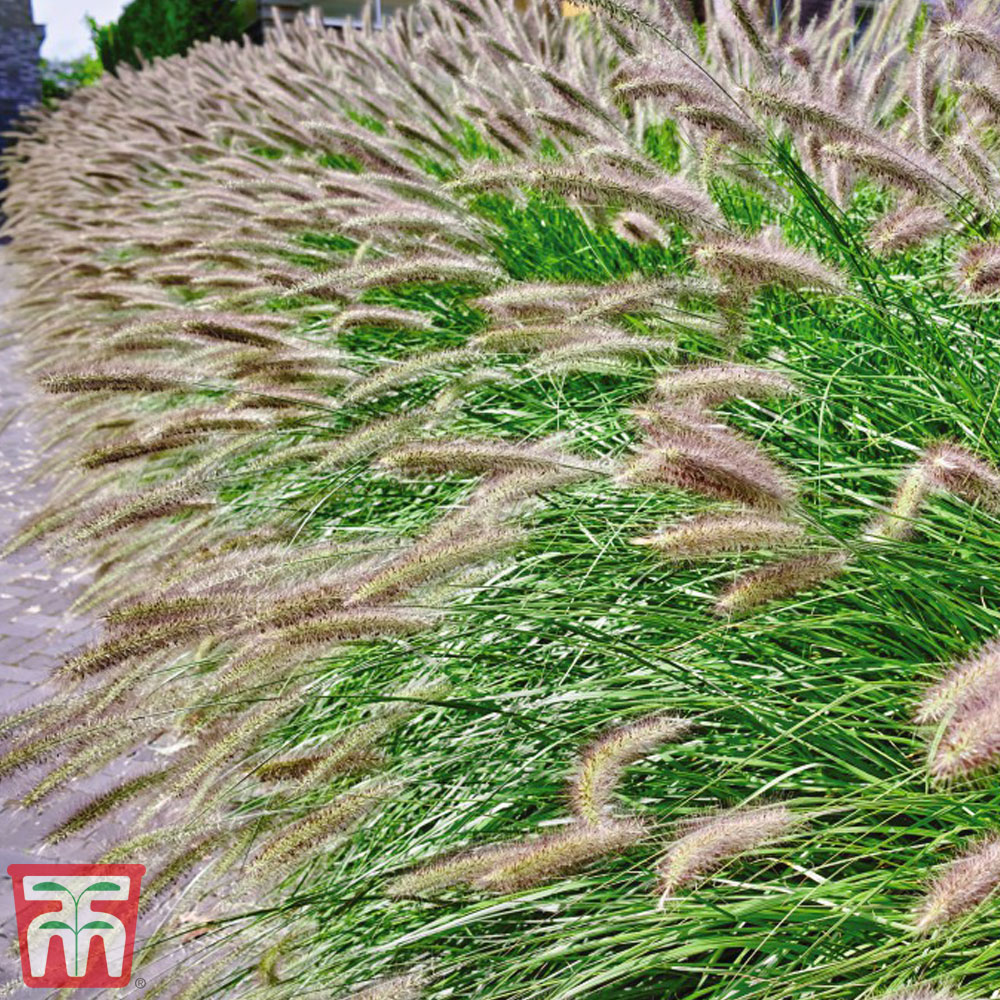
  • Ornamental grasses

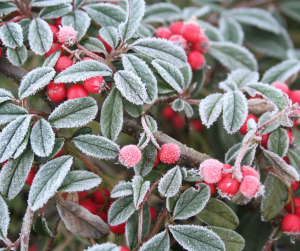
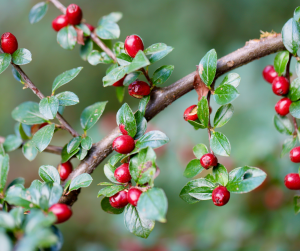
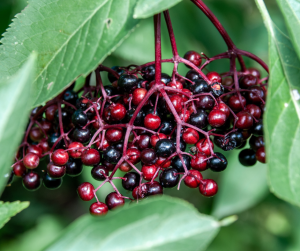
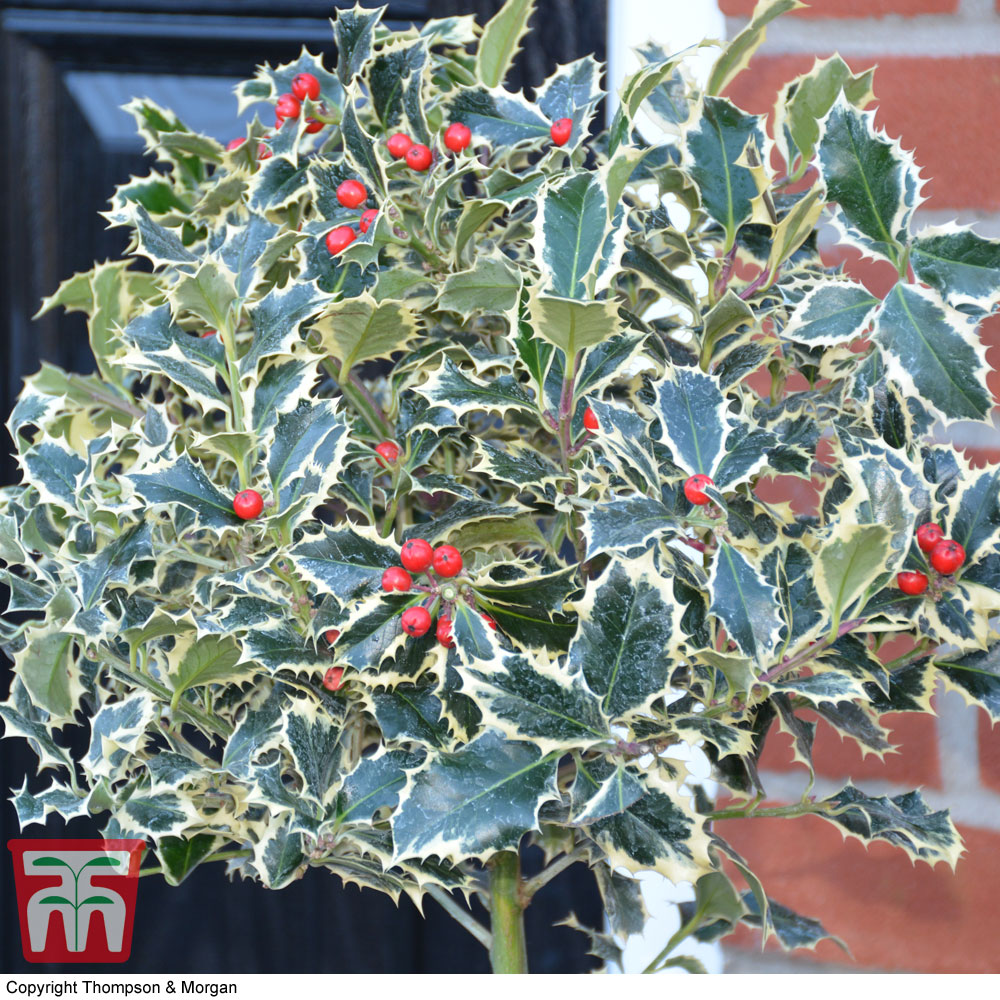
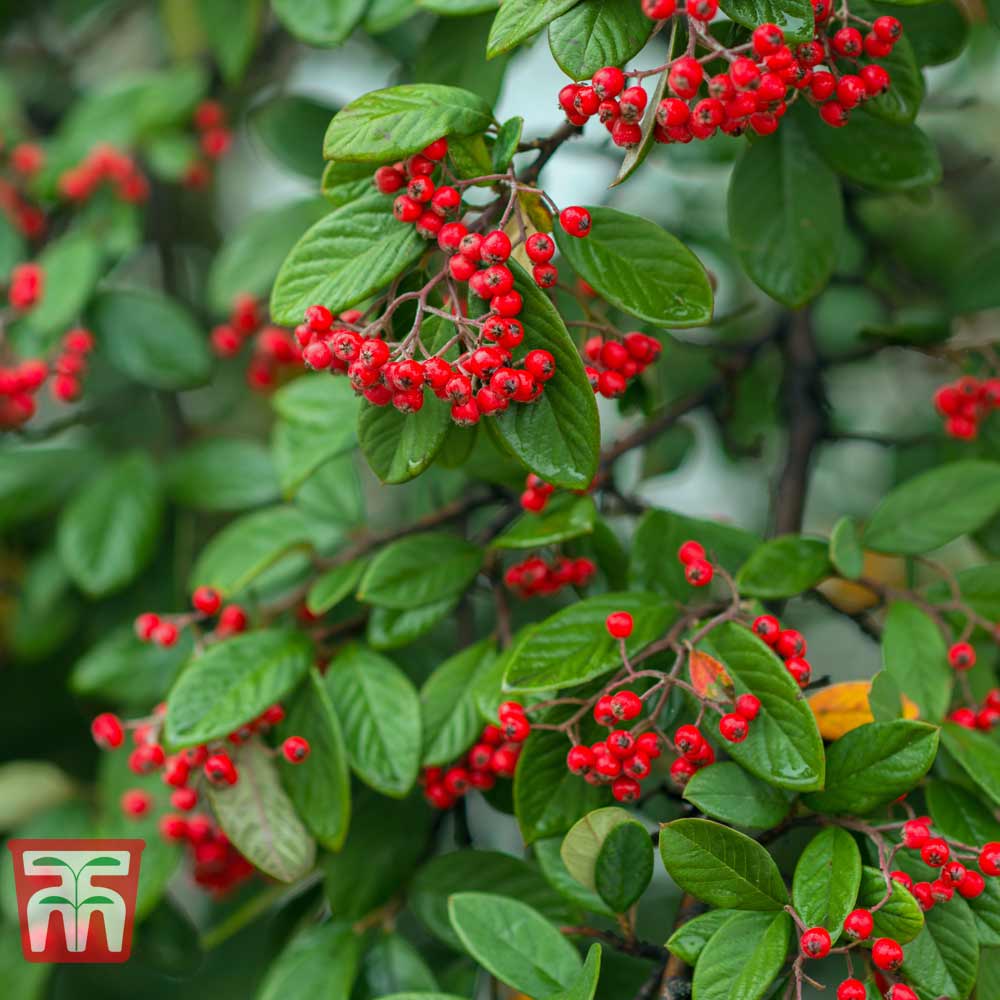
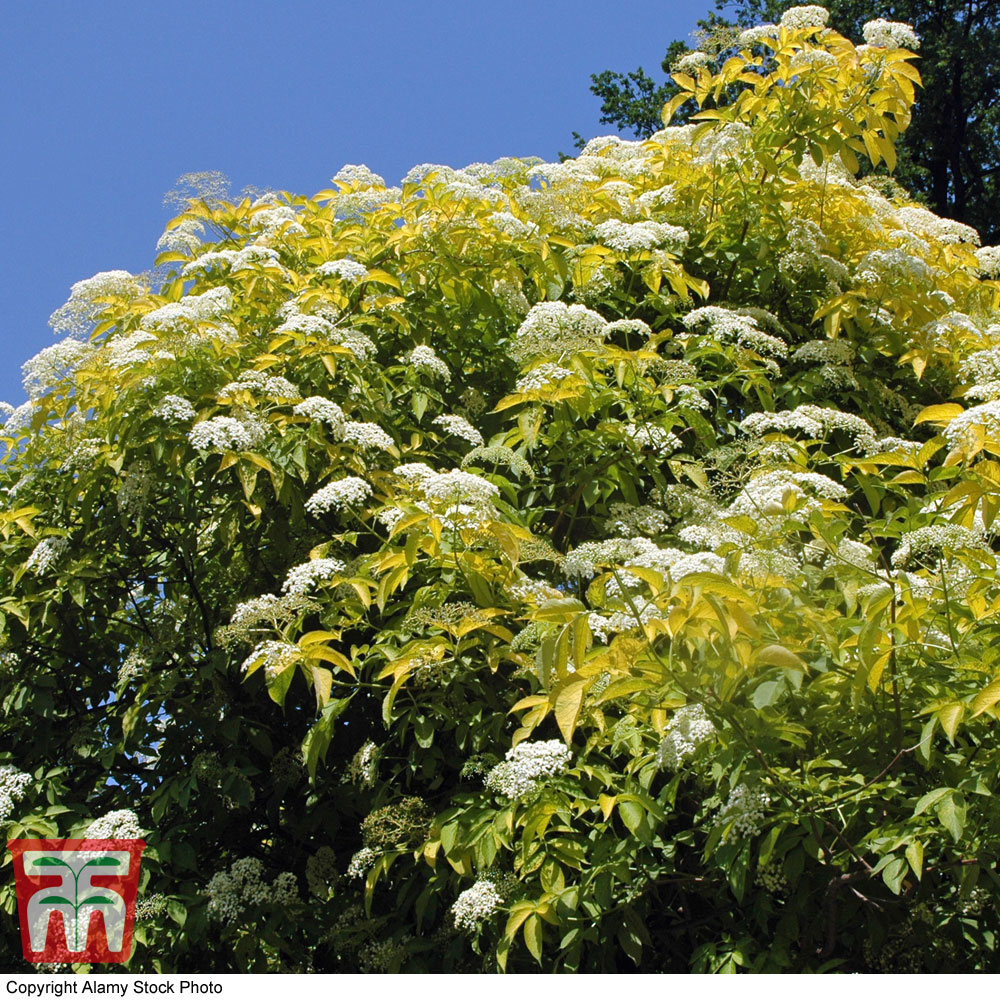
Great plants for berries & fruit

  • Hawthorn
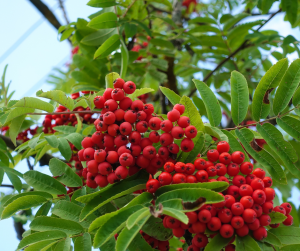
  • Rowan
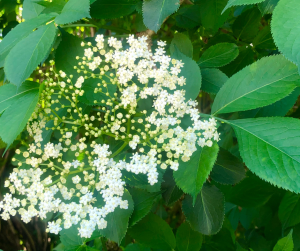
  • Elder
  • Blackthorn
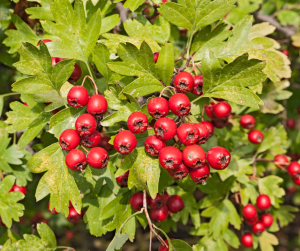
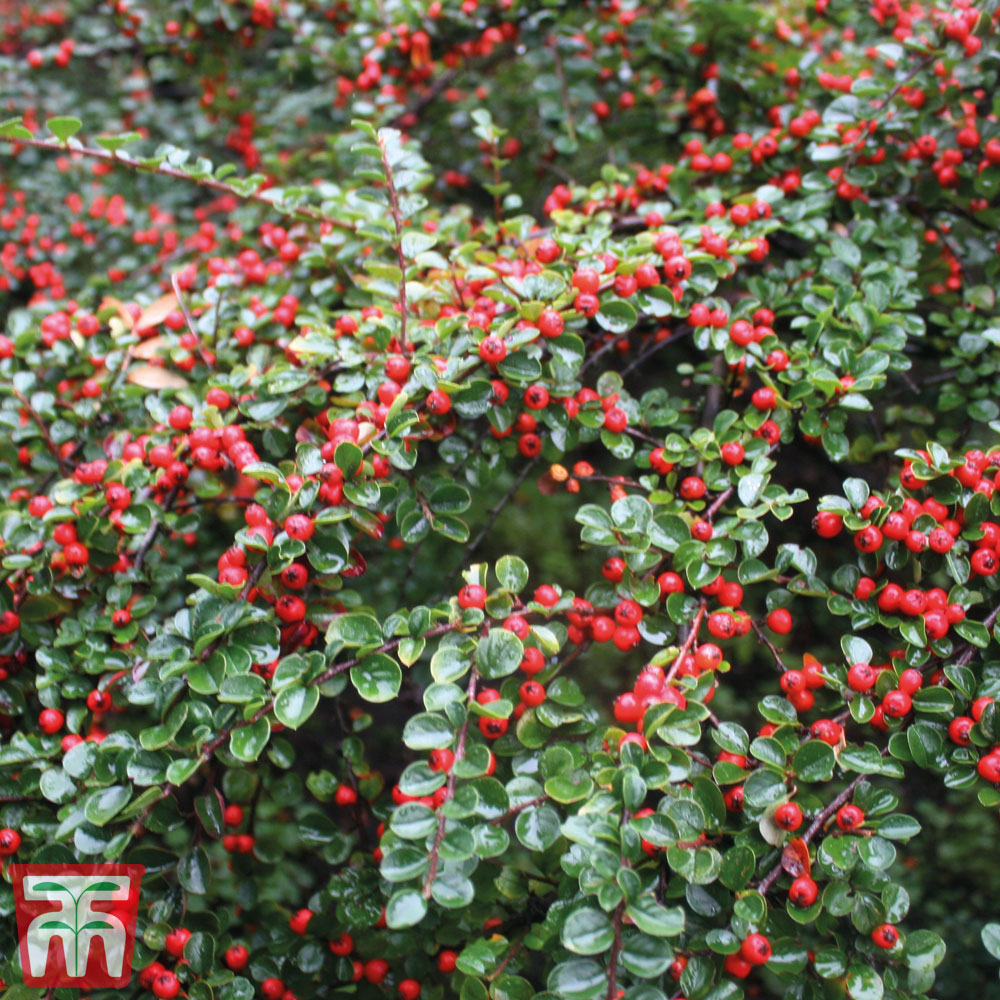
  • Cotoneaster
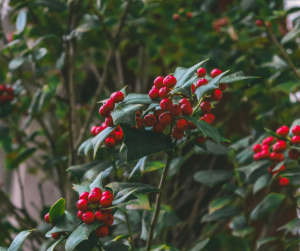
  • Holly

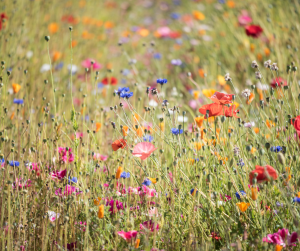
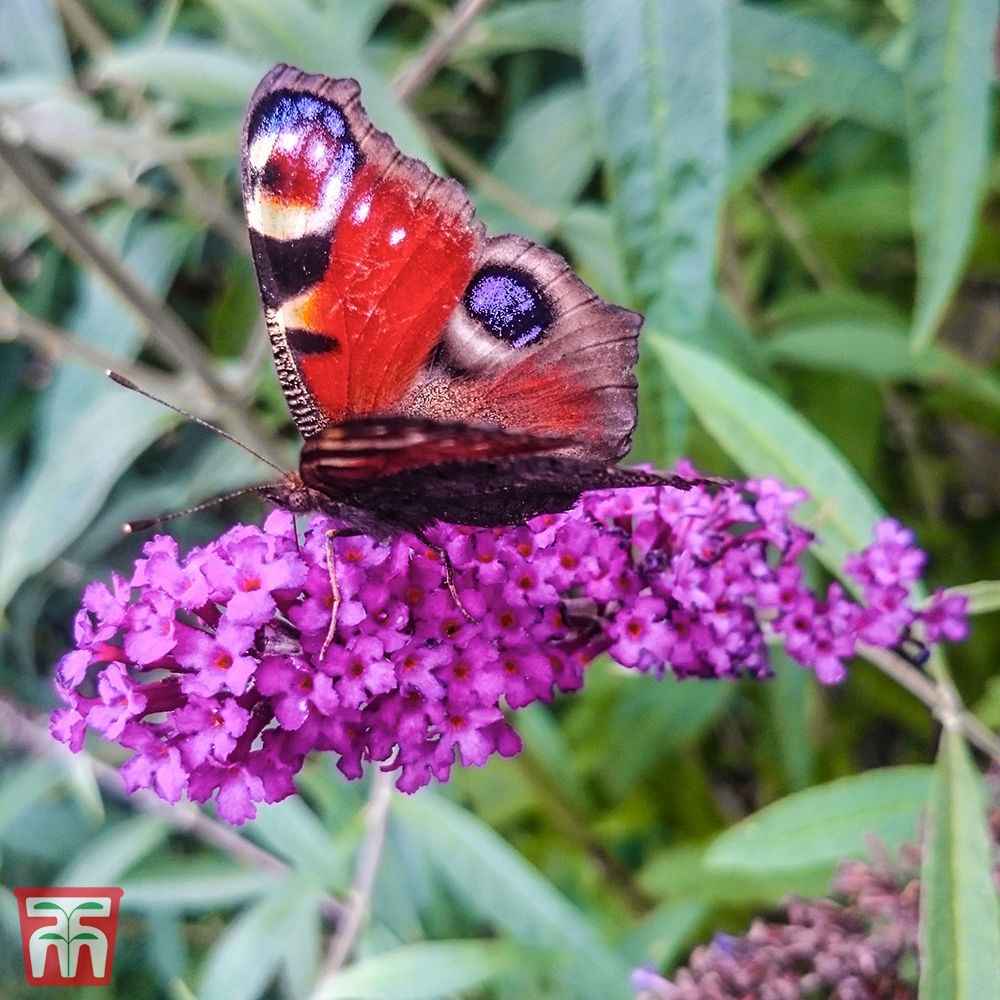
Plants that attract insects

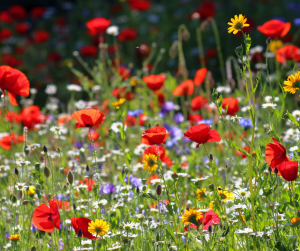
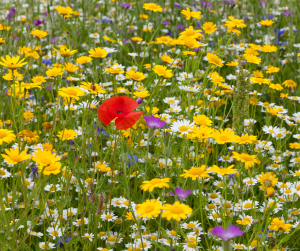
  • Native wildflowers
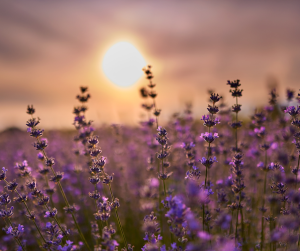
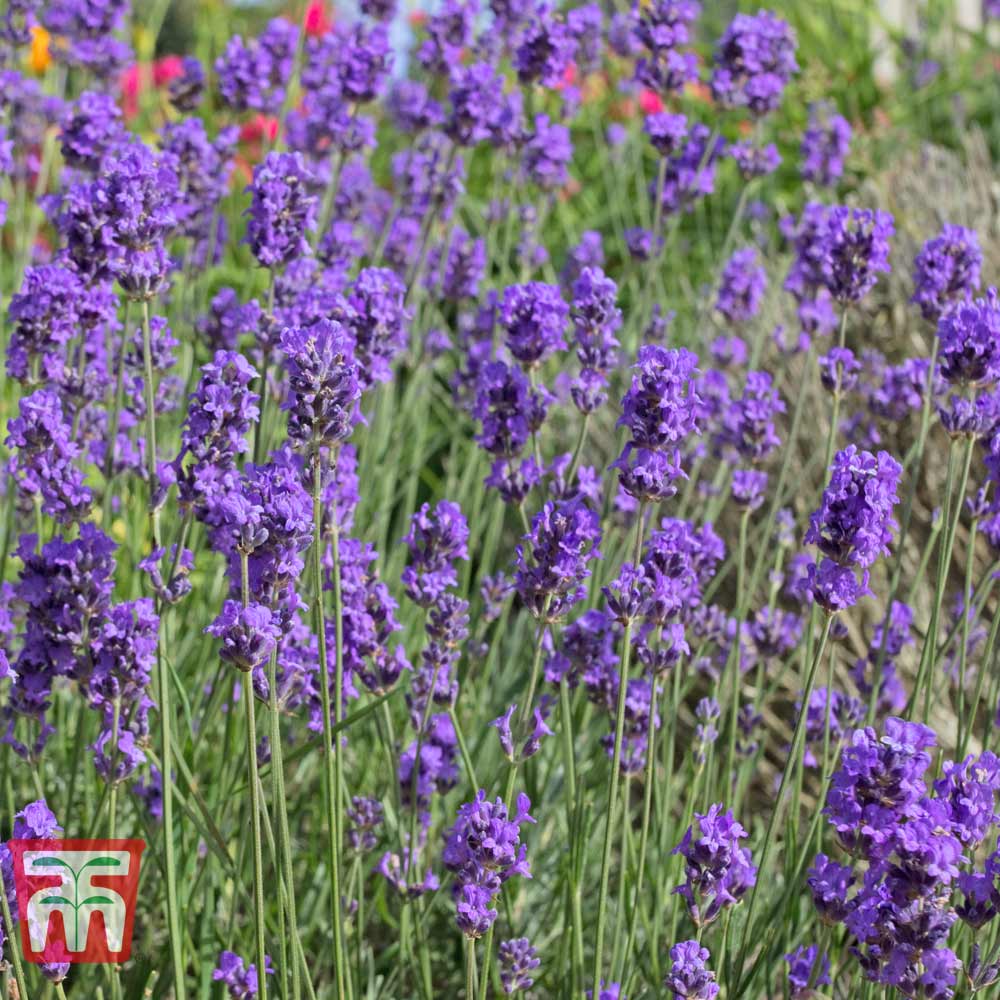
  • Lavender
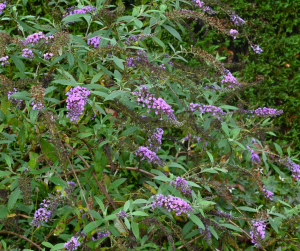
  • Buddleia
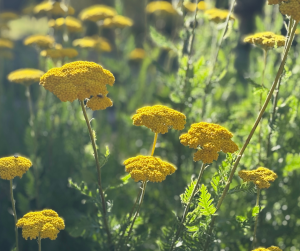
  • Yarrow
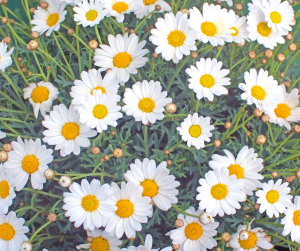
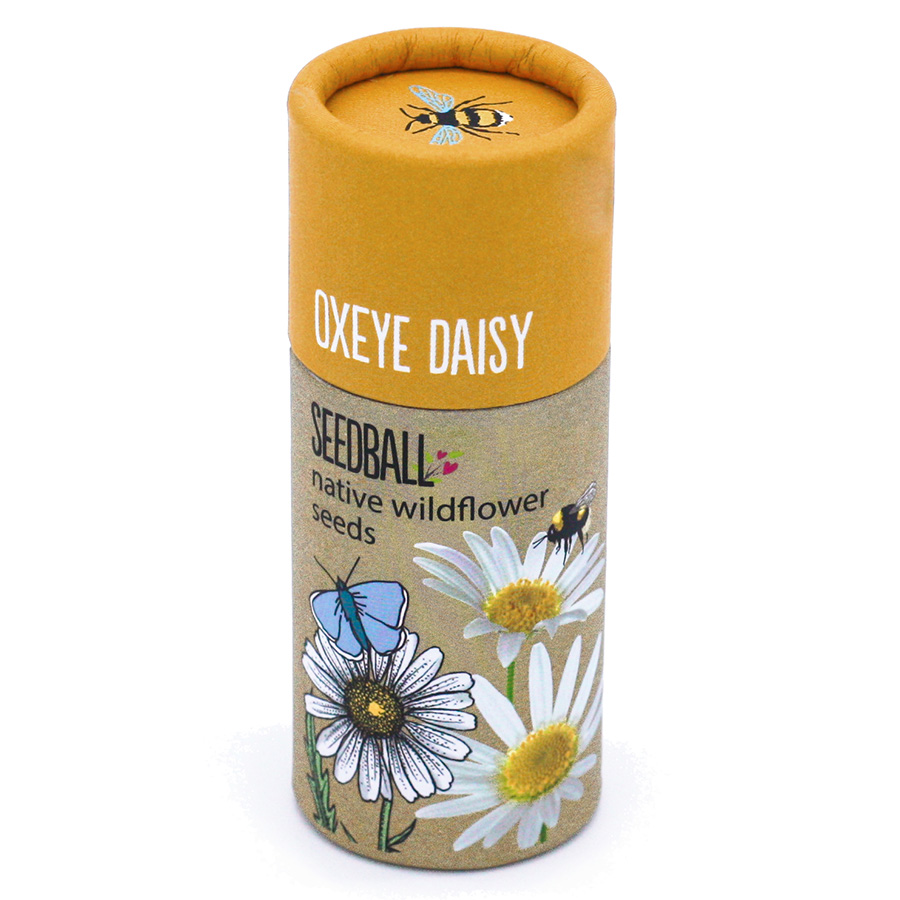
  • Oxeye daisy

Recommended Suppliers

Affiliate links included. I may earn a small commission if you buy through them — at no extra cost to you.

🐦‍⬛

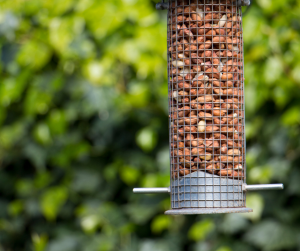
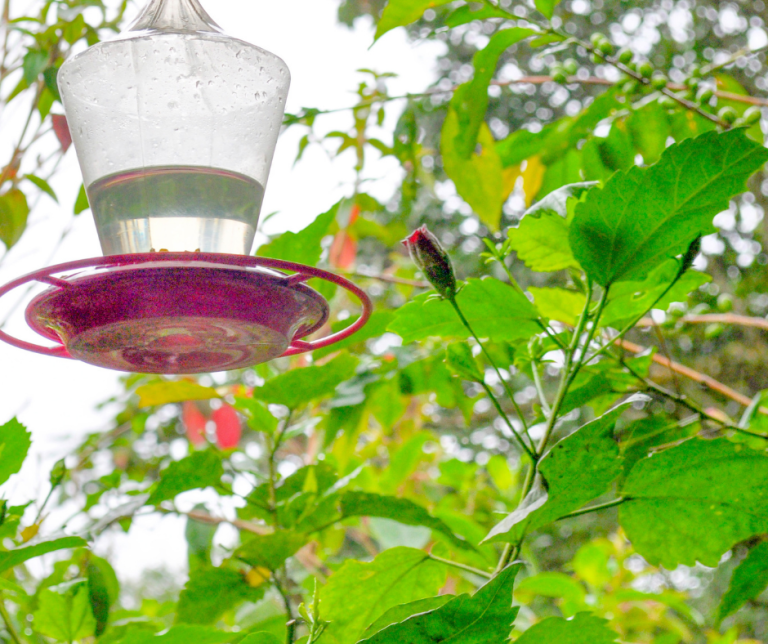
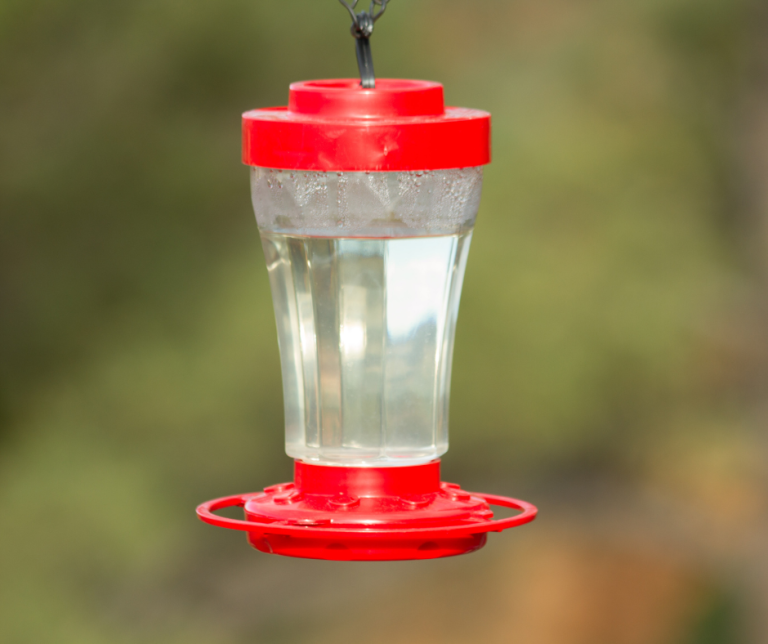
🥣 Bird Feeders

Supplementary feeding helps birds through winter, cold snaps, and breeding season.

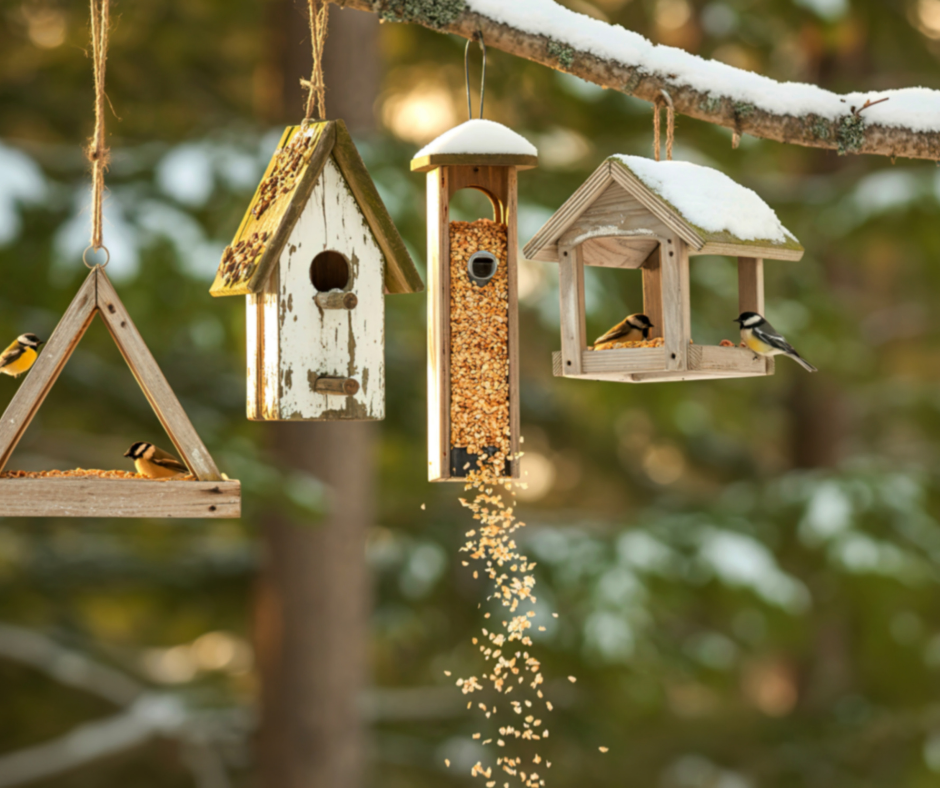
Types of feeders

  • Seed feeders
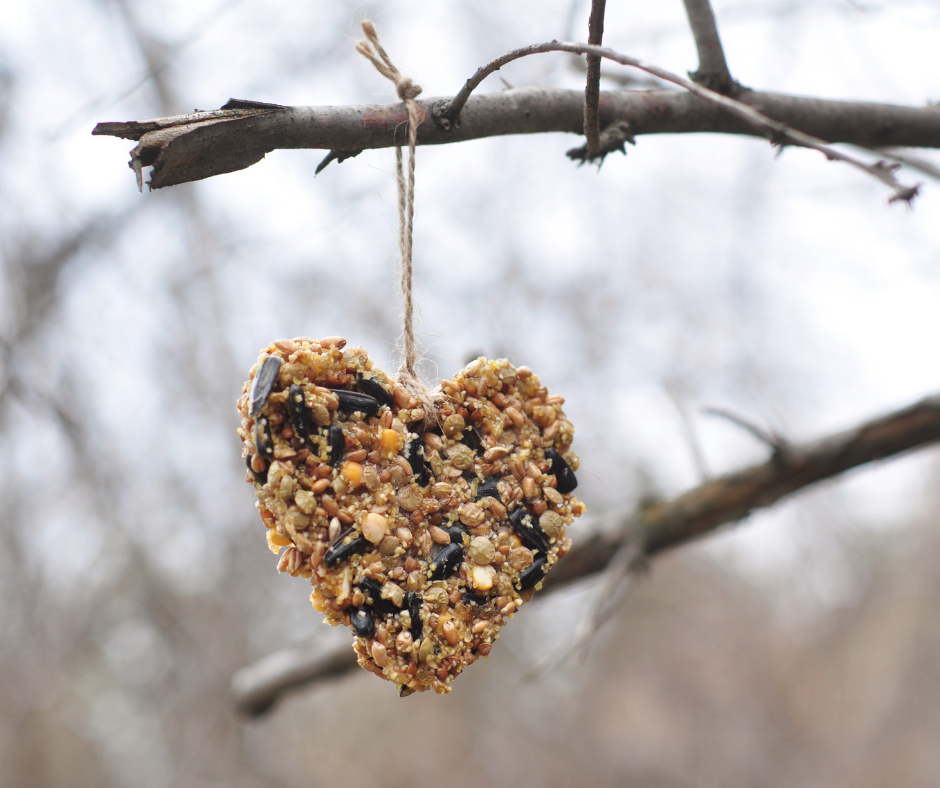
  • Fat ball or suet feeders
  • Ground feeders
  • Peanut feeders
  • Window feeders (great for small spaces)

Tips

  • Clean feeders weekly to prevent disease
  • Offer a variety of foods: sunflower hearts, suet, peanuts, mealworms
  • Place feeders near shrubs for quick escape routes
🐦‍⬛

💧 Hydration Stations

Birds need water year‑round — especially in summer heat and winter freezes.

Simple hydration ideas

  • Shallow dishes
  • Upturned bin lids
  • Plant saucers
  • Stone‑filled bowls (safer for small birds)

Tips

  • Refresh daily
  • Add a stone or stick for perching
  • In winter, pour warm (not hot) water to melt ice
🐦‍⬛

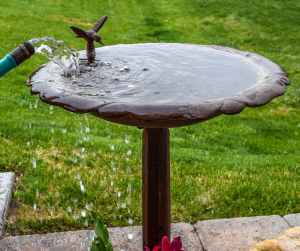
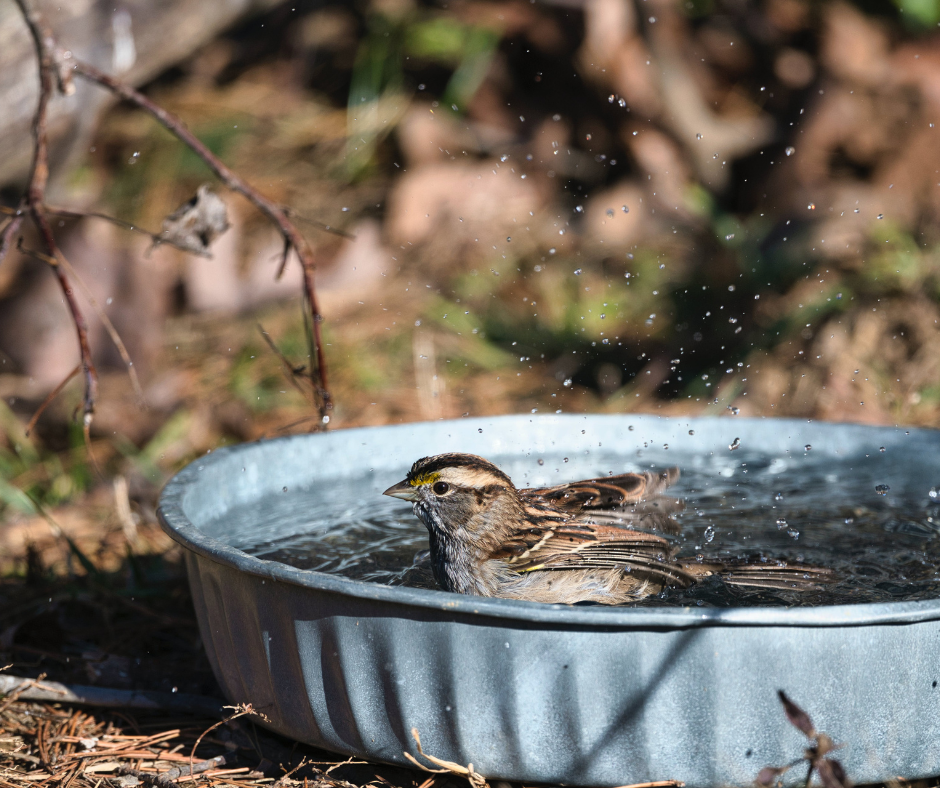
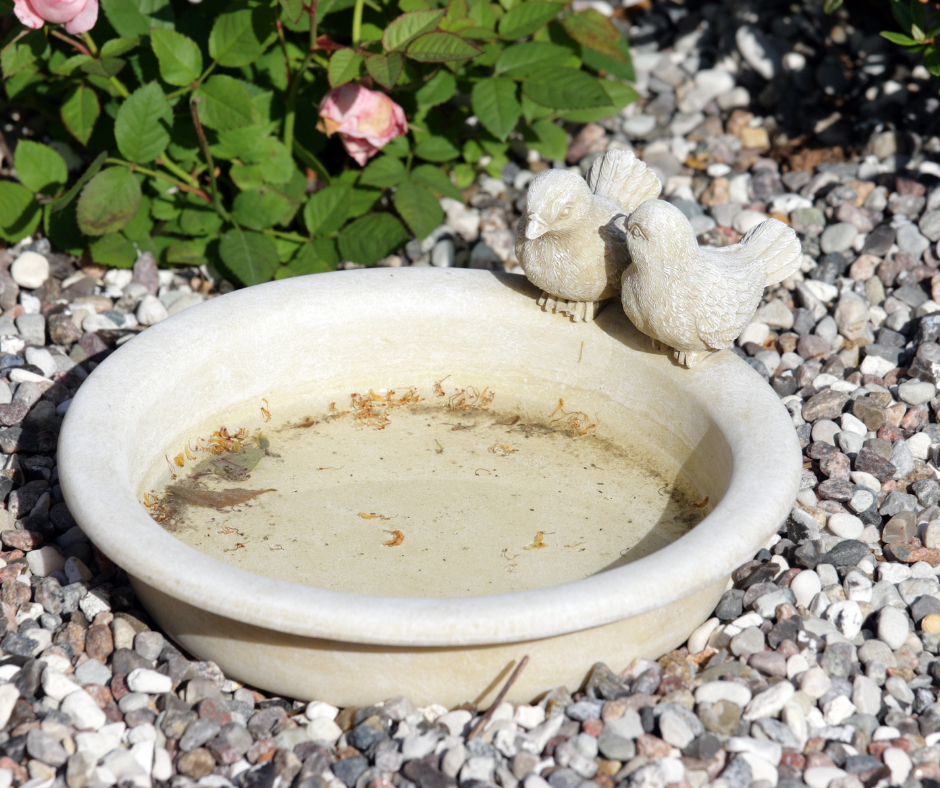
🛁 Bird Baths

Bathing helps birds keep their feathers clean and waterproof.

What makes a good bird bath

  • Shallow edges (2–5 cm deep)
  • Rough surface for grip
  • Sloped sides
  • Placed in a visible but safe spot

Maintenance

  • Clean every few days
  • Scrub algae with a brush
  • Refill with fresh water regularly
🐦‍⬛

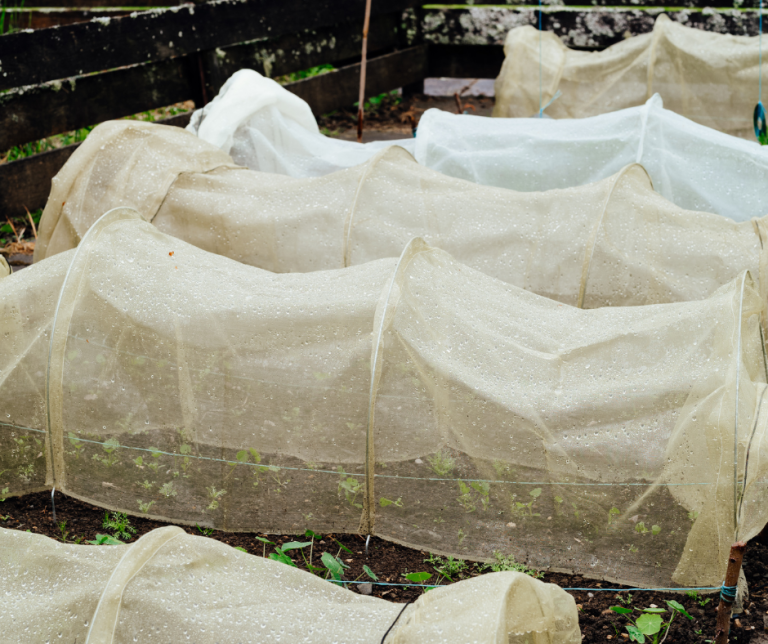
🌱 How to Protect Seedlings (Without Excluding Birds)

You can welcome birds and protect your young plants — it’s all about gentle barriers.
Options that work well

  • Cloche tunnels (mesh or clear plastic)
  • Horticultural fleece over hoops
  • Chicken wire domes
  • Twiggy branches pushed into the soil around seedlings
  • Sacrificial planting — grow extra seedlings to share

Avoid

  • Netting with large holes (birds can get trapped)
  • Sticky deterrents
  • Anything that could injure wildlife
🐦‍⬛

🪣 DIY Bird Ponds

A small pond is one of the most powerful ways to support birds and wider wildlife.

How to make a simple bird pond

  1. Choose a shallow container (washing-up bowl, half barrel, large pot saucer).
  2. Sink it into the ground or place it securely on a level surface.
  3. Add stones, pebbles, or bricks to create shallow edges and escape routes.
  4. Fill with rainwater if possible.
  5. Plant around the edges with wildlife‑friendly plants (marsh marigold, water mint).
  6. Keep it topped up and free of algae.

Why ponds help birds

  • Safe drinking water
  • Bathing spots
  • Insects for food
  • Habitat for amphibians and pollinators
🐦‍⬛

🪺 Citizen Science Projects for Garden Birds

Getting involved in citizen science helps researchers track bird populations and understand how gardens support wildlife.

Great UK projects to join

Why take part

  • Contributes to conservation research
  • Helps track population changes
  • Encourages mindful observation
  • Builds community around wildlife
🐦‍⬛
When you welcome birds into your garden, you’re joining a community of people who care deeply about nature. Every feeder you fill, every shrub you plant, every record you submit to a citizen science project helps protect the species we love. Together, our gardens become stepping stones for wildlife across towns, villages, and countryside.

📝 Affiliate Disclosure: To keep this guide free and accessible, I use affiliate links where appropriate. If you make a purchase, I may earn a small commission—never influencing the price you pay. Every recommendation is based on hands-on experience or thorough research tailored to UK gardens.

🐦‍⬛

Return to the Gardening Hub for more growing inspiration →

For more sustainable tips and inspiration, take a look at the newest posts.
The product display was implemented using the affiliate-toolkit WordPress plugin.