Bamboo: What’s the Big Deal?
D.J.
Environmental Advocate
🌿 Why Bamboo Deserves a Closer Look
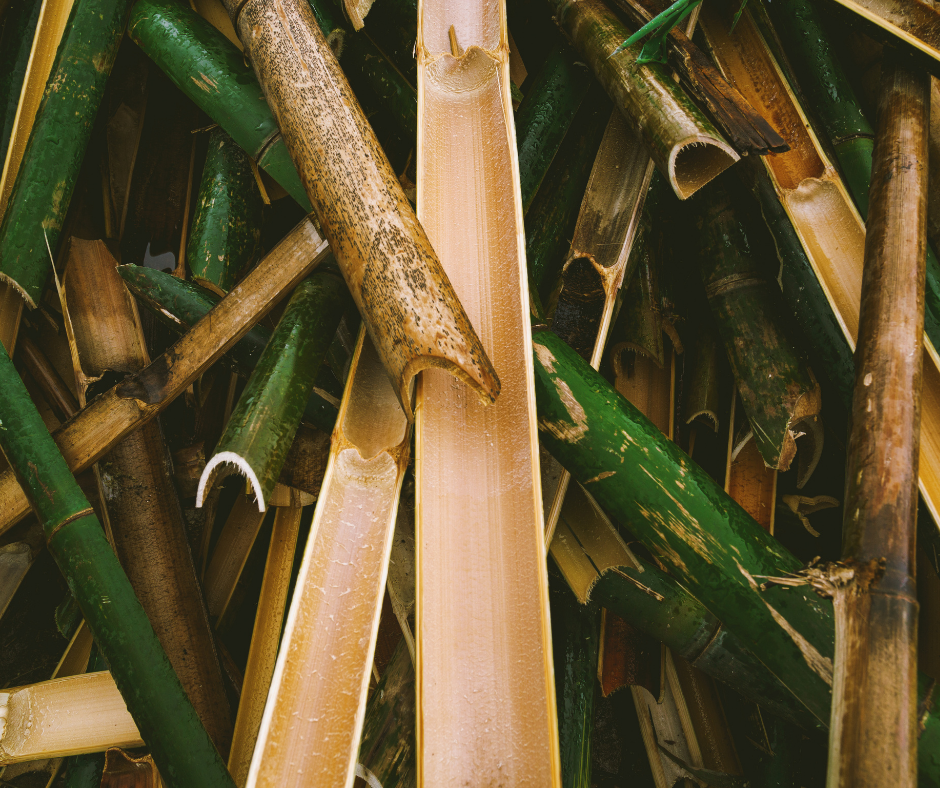
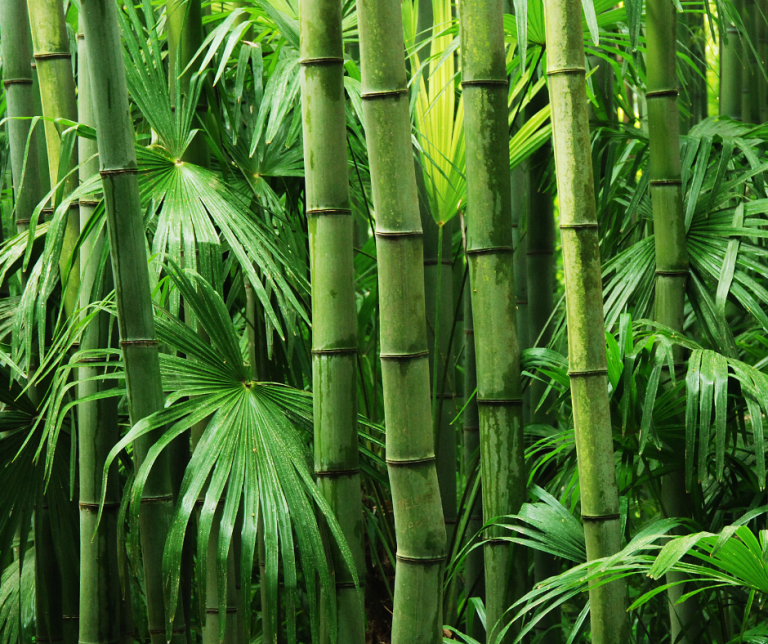
Bamboo isn’t just a sustainability buzzword — it’s a fast‑growing, biodegradable powerhouse that’s reshaping everything from toothbrushes to textiles. With its rapid growth, low resource needs, natural antibacterial properties, and impressive strength, bamboo offers a genuinely practical, planet‑friendly alternative to plastic in everyday life.
Curious about what makes bamboo so special? Let’s explore its benefits, its many uses, and how this remarkable plant fits into a more sustainable future
🌱 What Makes Bamboo Such a Sustainable Standout?
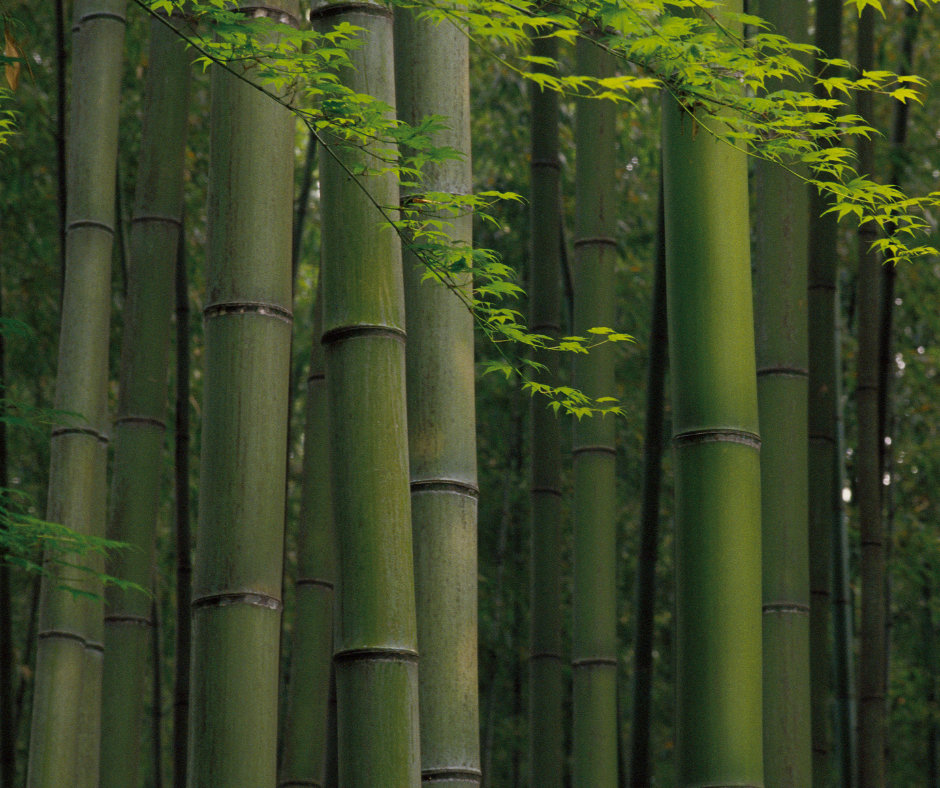
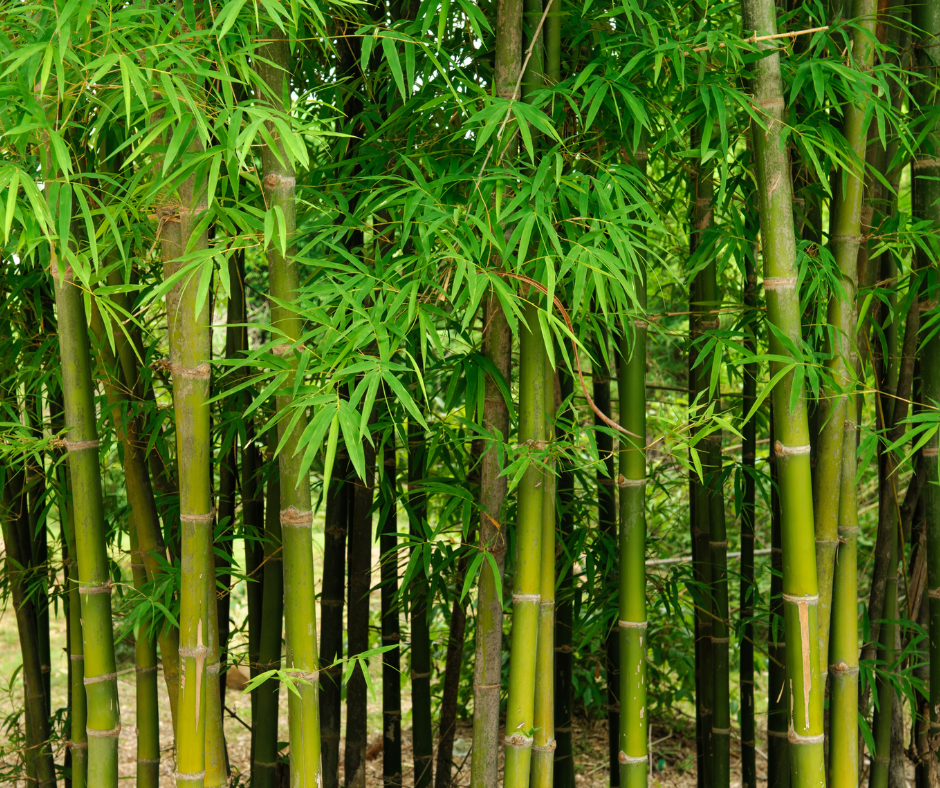
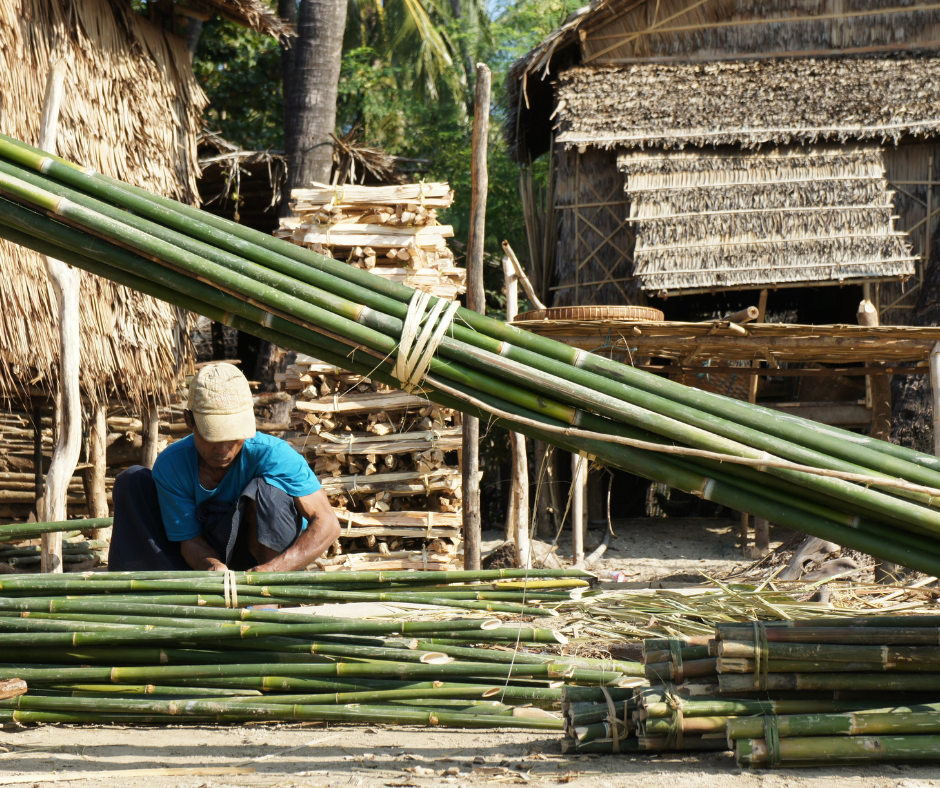
Once you start looking into bamboo, its advantages stack up quickly. This is a plant that grows at extraordinary speed — sometimes up to 4 feet in a single day — and reaches full height in just a couple of months. It needs very little water, thrives without pesticides, and regenerates from its own root system after harvesting. In other words, it’s a resource that gives generously without demanding much in return.
But the sustainability story doesn’t stop at growth rates. Bamboo is naturally biodegradable, antibacterial, and hypoallergenic, making it a smart alternative to plastic and synthetic materials in everything from kitchenware to clothing. It also plays a powerful role in carbon sequestration, absorbing and storing CO₂ far more efficiently than many traditional crops.
As we explore bamboo’s benefits, uses, and limitations, you’ll see why this humble grass is becoming a go‑to material for people looking to reduce waste, cut plastic use, and choose products that are kinder to the planet.
⭐ Key Environmental Benefits of Bamboo ⭐
Bamboo’s sustainability story is bigger than its fast growth — it’s a plant that actively supports healthier ecosystems, lower emissions, and more circular material flows. Here are the core environmental benefits that make bamboo such a standout alternative to plastic and other resource‑intensive materials.
🌱 1. Rapid Growth With Minimal Resources
Bamboo is one of the fastest‑growing plants on Earth, capable of shooting up as much as 4 feet in a single day. It thrives with very little water, requires no pesticides, and grows well on degraded land where other crops struggle. This means it delivers high yields without placing heavy demands on soil, water, or chemical inputs.
🔄 2. Naturally Regenerative
Unlike trees, bamboo doesn’t need to be replanted after harvesting. Its root system stays intact, sending up new shoots year after year. This regenerative growth:
- Protects soil structure
- Reduces erosion
- Minimises land disturbance
- Cuts the carbon and labour costs associated with replanting
It’s a resource that renews itself almost effortlessly
🌿 3. Biodegradable and Low‑Impact at End of Life
Plastic can take centuries to break down, shedding microplastics and chemicals along the way. Bamboo, in its natural form, is fully biodegradable and returns to the earth without releasing toxins. When used in minimally processed products, it supports a more circular, low‑waste lifestyle.
🦠 4. Naturally Antibacterial & Hypoallergenic
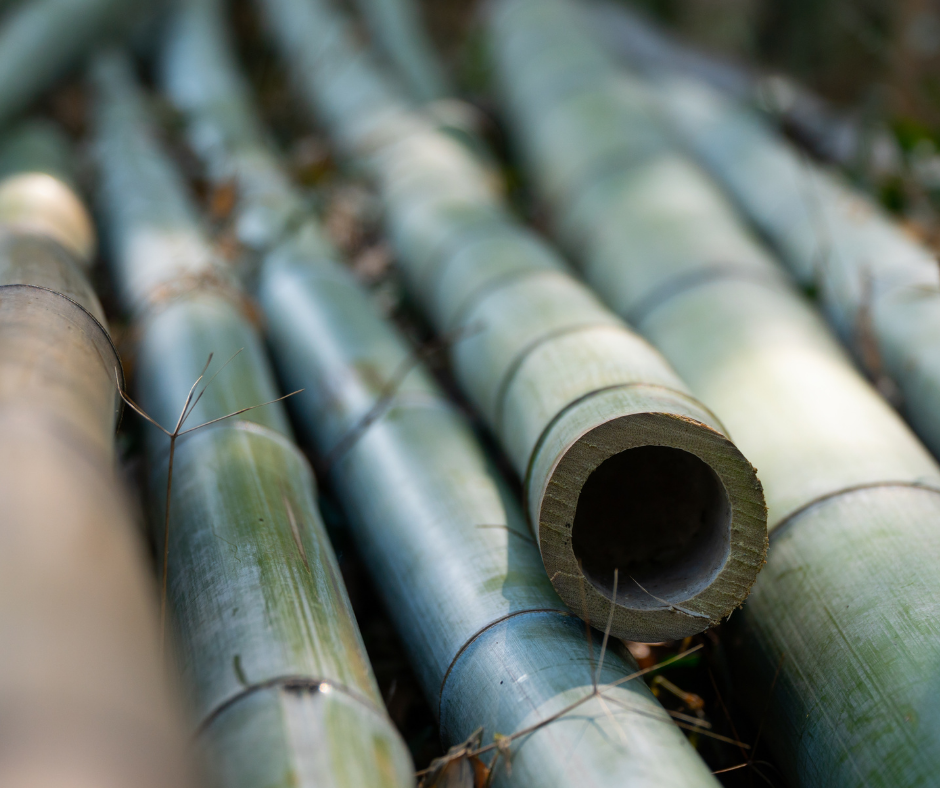
Bamboo contains natural compounds that resist bacterial growth. Combined with its hypoallergenic and breathable qualities, it’s a safe, low‑impact material for items like toothbrushes, kitchen tools, clothing, towels, and baby products — all without the need for chemical treatments.
🌫️ 5. Highly Effective at Carbon Sequestration
Bamboo absorbs CO₂ at impressive rates and stores carbon within its stalks. Research shows it can sequester carbon more efficiently than many tree species. Crucially, harvesting bamboo doesn’t release the stored carbon, making it a powerful ally in climate mitigation efforts.
🌾 6. Supports Sustainable Farming & Communities
Bamboo farming can provide stable income for rural and developing communities. Because it grows quickly, regenerates naturally, and can be intercropped with food crops, it supports:
- Diversified farm income
- Soil health
- Local economies
- Low‑input agriculture
Its lightweight nature also reduces transport emissions and labour demands.
♻️ 7. Lower Life‑Cycle Emissions Than Plastic
While exact figures vary by product, bamboo generally has significantly lower life‑cycle emissions than plastic. Its rapid growth, low water use, and ability to store carbon give it a much smaller environmental footprint — especially when used in its natural, non‑composite form.
♻️ Bamboo vs Plastic: How Do They Really Compare?
When you put bamboo and plastic side by side, the differences go far beyond the material itself. Their environmental footprints, life‑cycle impacts, and end‑of‑life outcomes are worlds apart. Here’s a clear, reader‑friendly comparison to help your audience understand why bamboo is often the more sustainable choice — and where the nuances lie.
🌱 Resource Use & Production
Bamboo
- Grows extremely quickly — up to 4 feet a day
- Requires very little water
- Thrives without pesticides or fertilisers
- Regenerates from its own root system
- Can be harvested annually without replanting
Impact: Low‑input, renewable, and regenerative.
Plastic
- Made from fossil fuels (oil or natural gas)
- Requires energy‑intensive extraction and refining
- Production releases significant greenhouse gases
Impact: High‑input, non‑renewable, and carbon‑intensive.
🌍 Carbon Footprint
Bamboo
- Absorbs large amounts of CO₂ during growth
- Stores carbon in its stalks
- Harvesting does not release stored carbon
- Often has lower life‑cycle emissions than plastic
Plastic
- Emits CO₂ at every stage: extraction, production, transport, and disposal
- Does not sequester carbon
- Contributes to long‑term atmospheric emissions
Winner: Bamboo — especially when used in minimally processed forms.
🗑️ End‑of‑Life: Biodegradability & Waste
Bamboo
- Naturally biodegradable
- Breaks down without releasing toxins
- Compostable when untreated
- Supports circular material flows
Plastic
- Can take hundreds of years to degrade
- Breaks into microplastics that persist in soil and oceans
- Releases harmful chemicals as it breaks down
- Only a small percentage is actually recycled
Winner: Bamboo — dramatically lower long‑term environmental impact.
🧪 Health & Safety
Bamboo
- Naturally antibacterial
- Hypoallergenic
- Breathable and thermoregulating (in textiles)
- Safe for kitchenware when not mixed with plastic resins
Plastic
- May leach chemicals, especially when heated
- Microplastics are now found in water, soil, food, and even human bodies
- Some additives (BPA, phthalates) have raised health concerns
Winner: Bamboo — with the caveat to avoid bamboo–plastic composites.
🧵 Versatility & Everyday Use
Bamboo
Ideal for:
- Kitchen tools
- Cleaning brushes
- Garden accessories
- Clothing, towels, bedding
- Baby products
- Reusable items
Plastic
Ideal for:
- High‑precision, medical, or industrial applications
- Situations requiring waterproofing or durability
- Mass‑produced, low‑cost items
Takeaway: Bamboo works brilliantly for everyday household items, textiles, and reusable products — but plastic still dominates in specialised technical uses.
⚠️ Important Caveat: Bamboo Composites
Not all “bamboo” products are created equal.
Some items are made from bamboo–plastic composites, which:
- Are not fully biodegradable
- Cannot be recycled
- May pose food‑safety concerns
- Are often marketed as “eco‑friendly” despite containing plastic
For the most sustainable choice, look for natural bamboo, not bamboo mixed with melamine or other resins.
🌟 The Bottom Line
Bamboo outperforms plastic across almost every environmental metric — from carbon footprint to biodegradability to resource use. When sourced responsibly and used in its natural form, bamboo is a genuinely sustainable alternative that supports healthier ecosystems and reduces long‑term waste.
Plastic still has its place in certain technical applications, but for everyday household items, textiles, and reusable products, bamboo offers a cleaner, lower‑impact path forward.
🌿 Common Bamboo Alternatives for Everyday Life
Switching to bamboo doesn’t mean overhauling your entire lifestyle — it simply means choosing natural, durable, low‑impact alternatives where they make sense. Bamboo’s strength, lightness, and natural antibacterial qualities make it ideal for a huge range of everyday products. Here’s a clear, practical guide to where bamboo shines in daily life.
🍽️ Kitchen & Dining
Bamboo is a brilliant replacement for plastic in the kitchen because it’s lightweight, durable, and naturally resistant to bacteria.
Great swaps include:
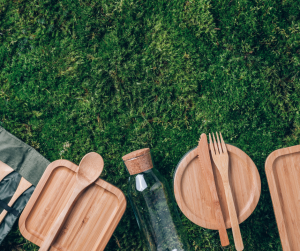
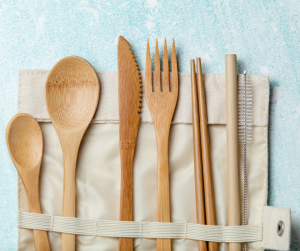
- Cutlery and utensils
- Chopping boards
- Drinking straws
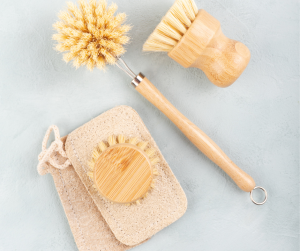
- Dish brushes and scrubbers
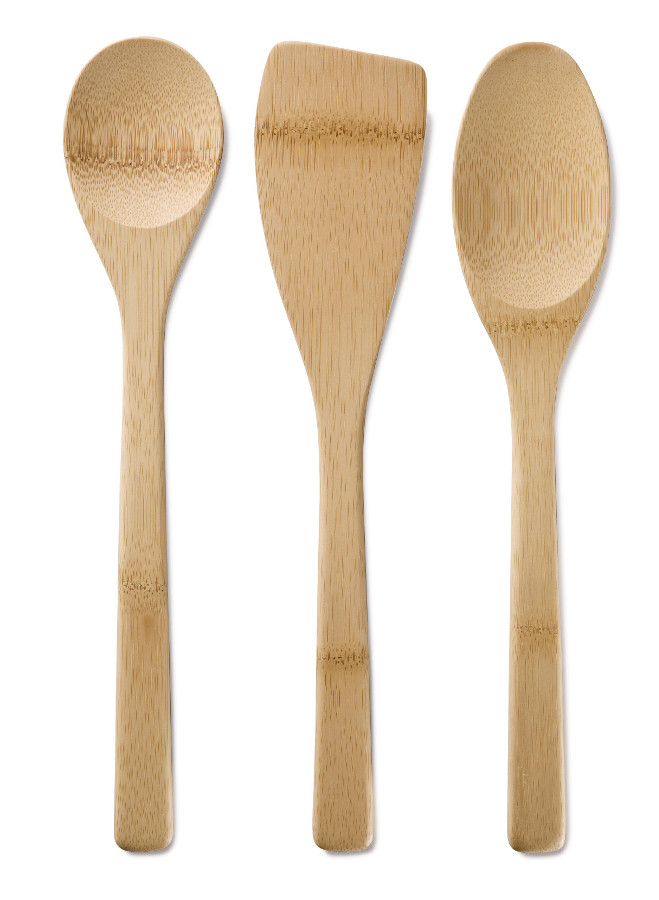
- Serving spoons and spatulas
These items are long‑lasting, gentle on cookware, and fully biodegradable at the end of their life (as long as they’re not mixed with plastic resins).
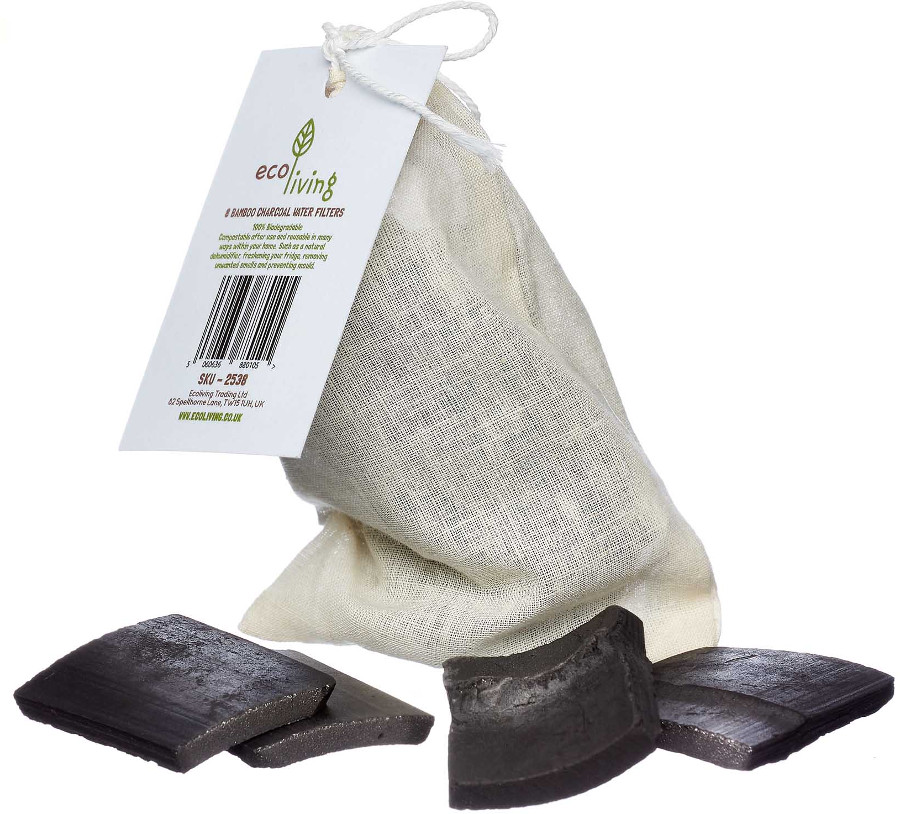
Our Top Kitchen & Dining Swaps!
Affiliate links included. I may earn a small commission if you buy through them — at no extra cost to you.
🏡 Home & Lifestyle
Bamboo’s natural strength and antibacterial properties make it ideal for everyday household tools.
Popular options:
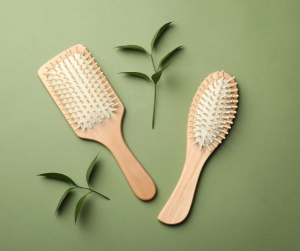
- Cleaning brushes
- Reusable cloths with bamboo fibres
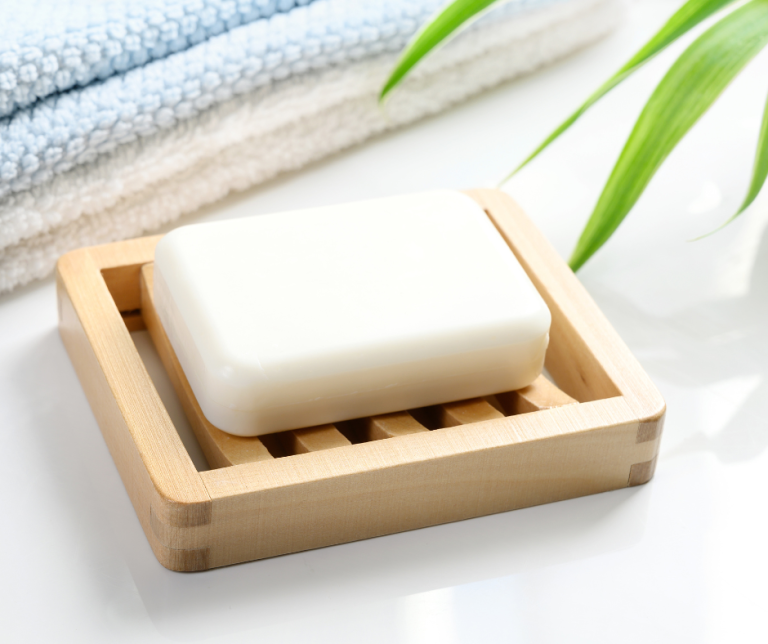
- Soap dishes
- Storage baskets
- Toothbrushes
These swaps are simple, affordable, and reduce the amount of plastic entering your home.
Our Top Home & Lifestyle Swaps!
🌱 Garden & DIY
In the garden, bamboo is both practical and planet‑friendly. It’s strong, weather‑resistant, and compostable when untreated.
Useful alternatives include:
- Plant markers
- Plant pots
- Compost scoops
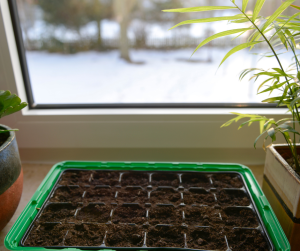
- Seedling trays
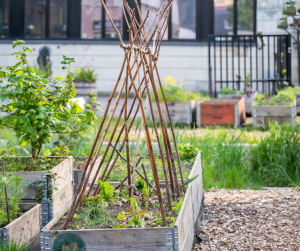
- Garden stakes
Because bamboo is lightweight and easy to split, it’s perfect for quick DIY fixes and outdoor projects.
👕 Clothing & Textiles
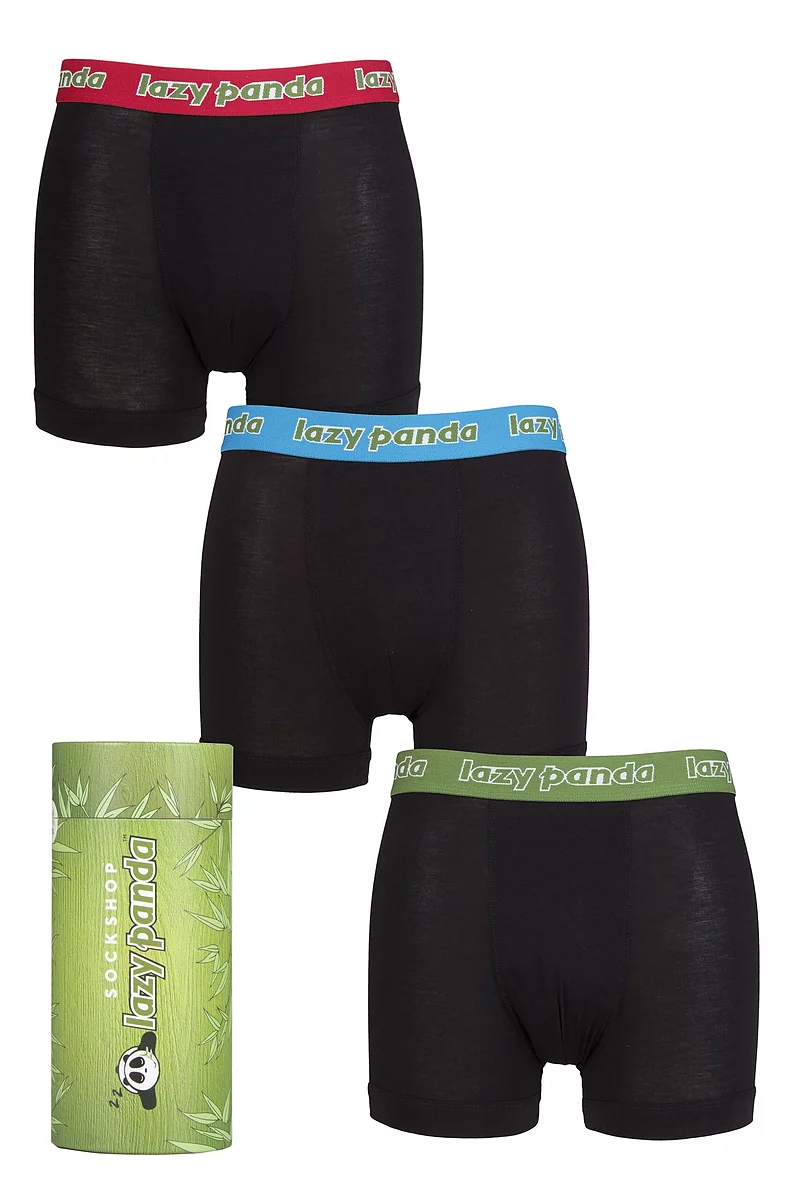
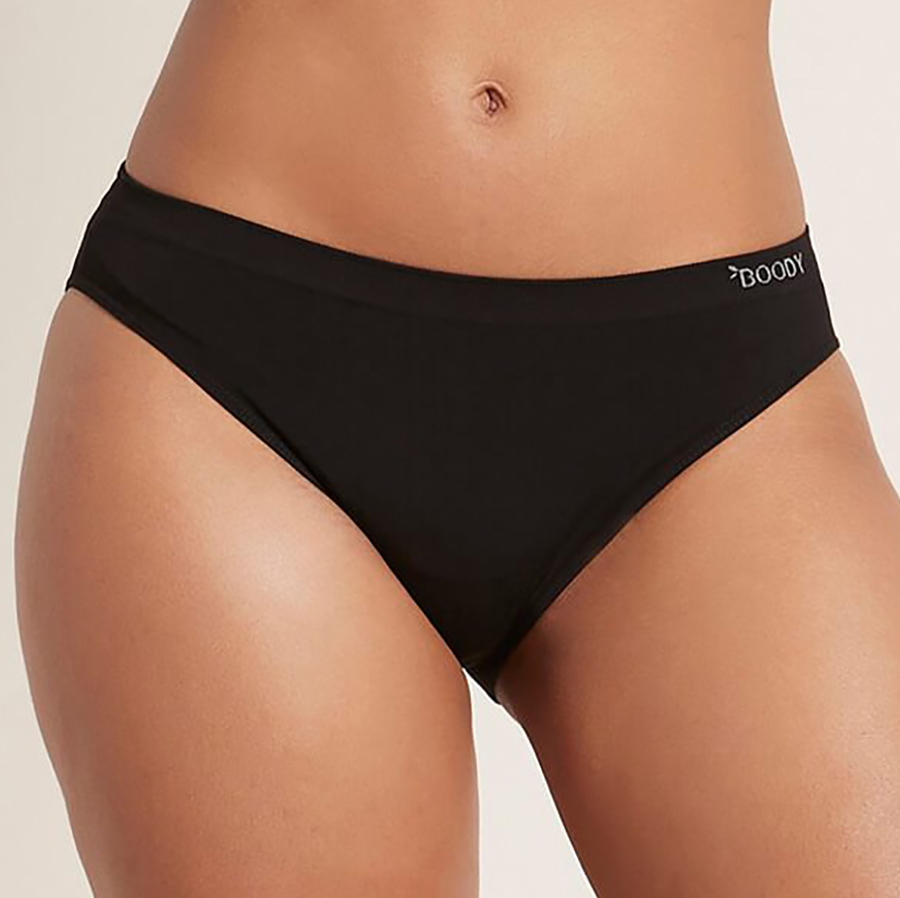
Bamboo textiles are soft, breathable, and naturally hypoallergenic — ideal for sensitive skin and everyday comfort.
Common bamboo-based items:
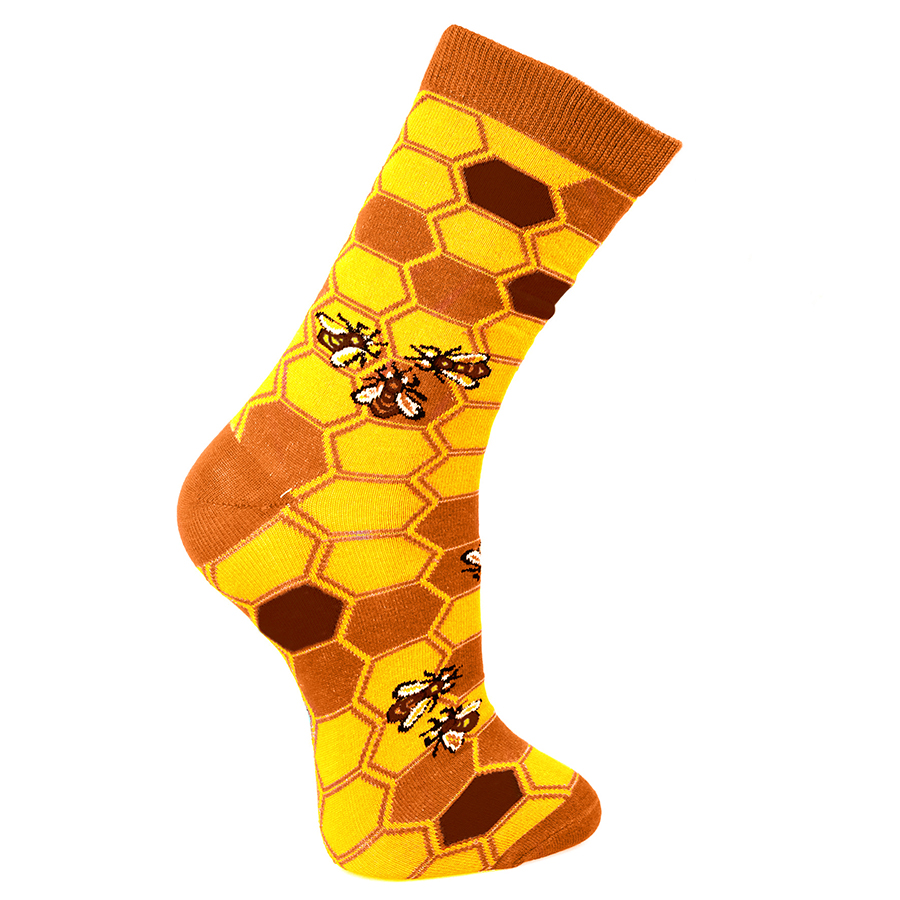
- Underwear and socks
- Sportswear and activewear
- Towels and flannels
- Bedding and pillowcases
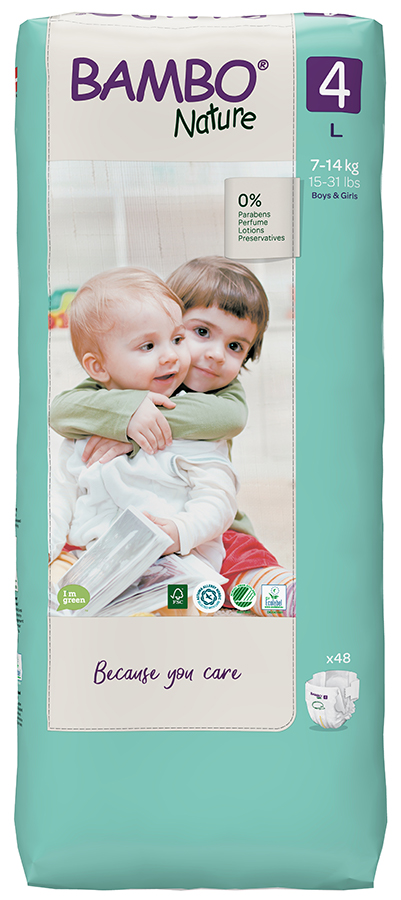
- Nappies and reusable wipes
Bamboo fabric also has natural thermoregulation properties, helping you stay cool in summer and warm in winter.
Our Top Clothing & Textiles Swaps!
👶 Baby & Family Essentials
Parents often choose bamboo for its softness, safety, and low‑toxicity profile.
Popular choices:
- Baby muslins
- Washcloths
- Nappies and liners
- Feeding spoons
- Teething toys (solid bamboo only)
These items are gentle on skin and free from the chemical additives often found in plastics.
Our Top Baby & Family Essential Swaps!
⚠️ A Quick Note on Bamboo Composites
Some products labelled as “bamboo” are actually bamboo–plastic composites. These:
- Are not fully biodegradable
- Cannot be recycled
- May pose food‑safety concerns
- Are often marketed as eco‑friendly despite containing plastic
For the most sustainable choice, look for solid bamboo or bamboo fibre products without melamine or synthetic binders.
🌍 Bamboo: A Practical Step Toward Low‑Waste Living
Bamboo isn’t a miracle cure for our environmental challenges, but it is one of the most practical, low‑impact materials we can choose in everyday life. Its rapid growth, natural regenerative ability, and impressive strength make it a genuinely sustainable alternative to plastic — especially when used in its natural, non‑composite form. From kitchen tools to clothing, garden accessories to baby essentials, bamboo offers simple, accessible swaps that reduce waste without sacrificing quality or convenience.
As with any material, thoughtful choices matter. Opting for responsibly sourced bamboo, avoiding bamboo–plastic composites, and choosing durable items you’ll use again and again ensures the biggest positive impact.
Small changes add up. By bringing more bamboo into your home, you’re supporting lower‑carbon materials, healthier ecosystems, and a future with far less plastic. It’s a quiet shift — but one that makes a meaningful difference.
📝 Affiliate Disclosure: To keep this guide free and accessible, I use affiliate links where appropriate. If you make a purchase, I may earn a small commission—never influencing the price you pay. Every recommendation is based on hands-on experience or thorough research tailored to UK gardens.