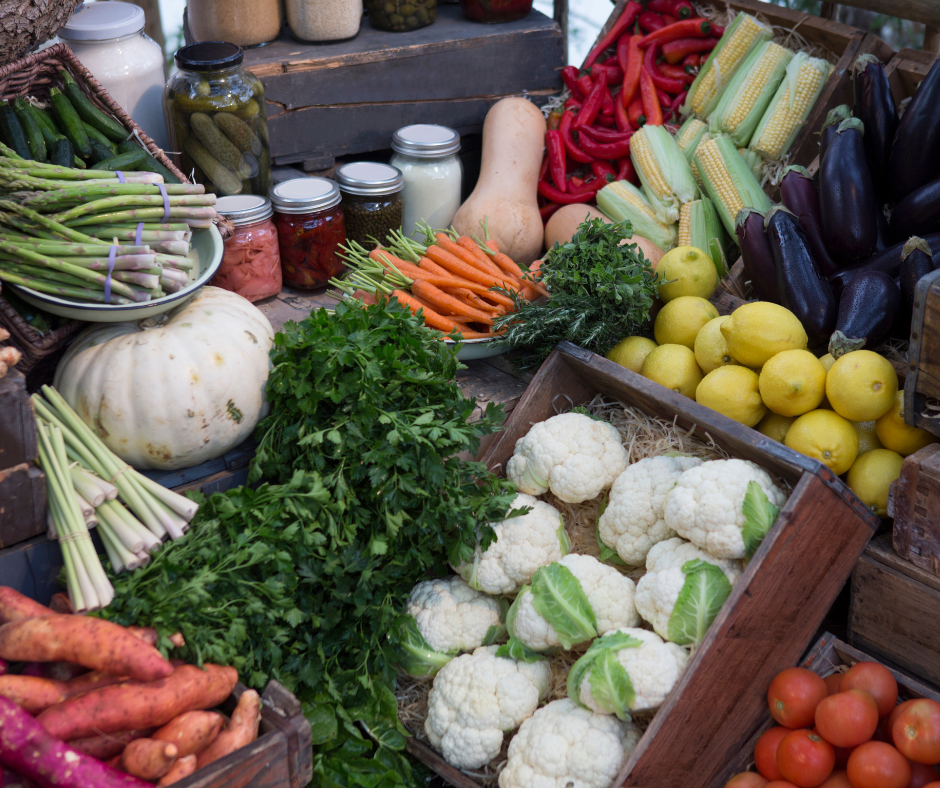
🌍 Food Waste: The Ugly Truth
Why it matters — and how small changes can make a big difference

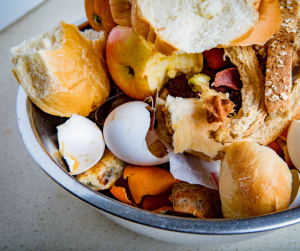
Food waste is one of the biggest hidden challenges of our time. Every year, millions of tonnes of edible food are discarded across farms, shops, restaurants, and households. This isn’t just a matter of messy fridges — it means squandering the water, energy, and labour invested in producing that food.
When wasted food ends up in landfills, it decomposes and releases methane, a greenhouse gas far more potent than carbon dioxide. The result? Food waste becomes a silent driver of climate change.
The good news is that reducing food waste is something we can all do. At home and in our communities, simple changes can help us save money, protect the environment, and make the most of the food we produce.
👉 Here’s why caring about food waste matters — and how small changes can make a big difference
📖 What Is Food Waste?
Food waste is any edible food that’s discarded instead of eaten.
It happens at every stage of the food chain:
- On farms when crops are left unharvested or rejected for cosmetic reasons.
- In shops and restaurants when stock goes unsold or portions are oversized.
- At home when food expires, isn’t stored properly, or leftovers are thrown away.
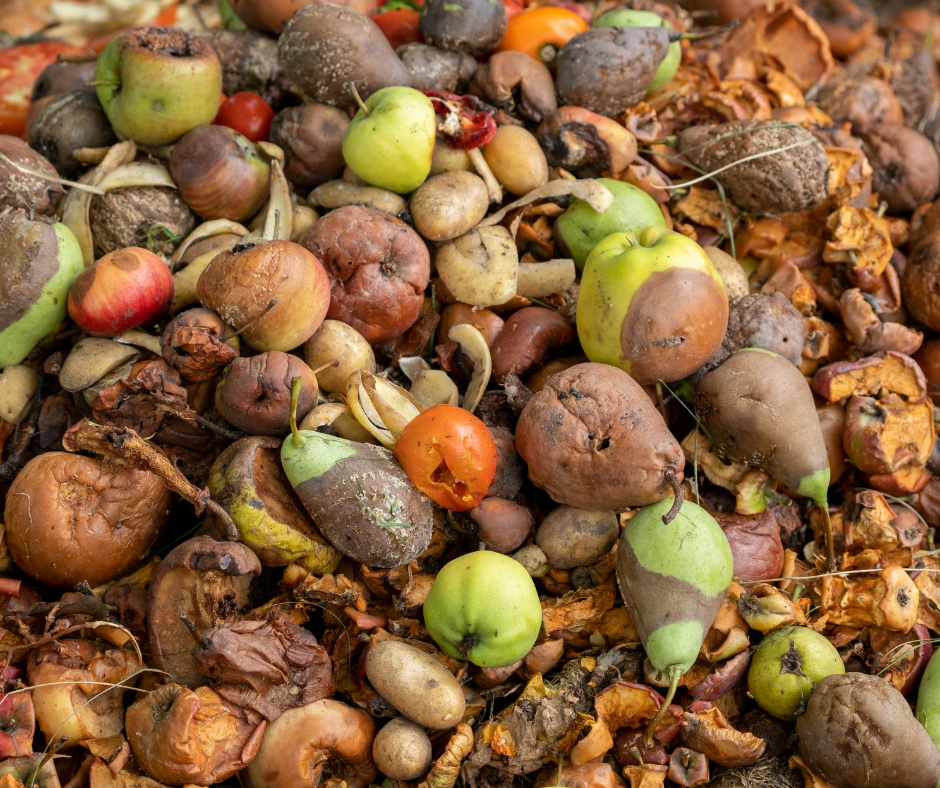
❓ Why Care About Food Waste?
Food waste isn’t just scraps in the bin. It:
- Damages the environment by wasting water, energy, and land.
- Contributes to hunger and inequality when surplus food isn’t redistributed.
- Fills up landfills, releasing methane — a greenhouse gas far more potent than carbon dioxide.
- Wastes money and labour, draining billions from the global economy.
🌍 The Consequences of Food Waste
🌱 Environmental Damage
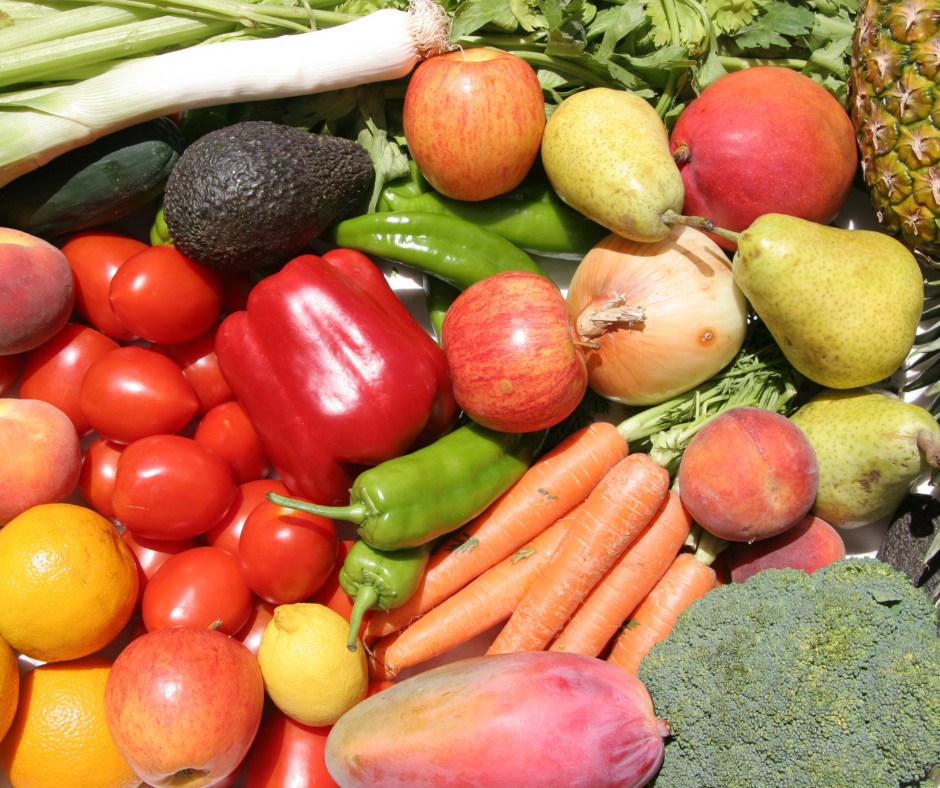
- Every discarded item represents wasted water, energy, and land used in its production.
Wasted food = wasted water, energy, and land
- Agriculture already drives deforestation and biodiversity loss; throwing food away magnifies these harms.
🌡️ Climate Impact
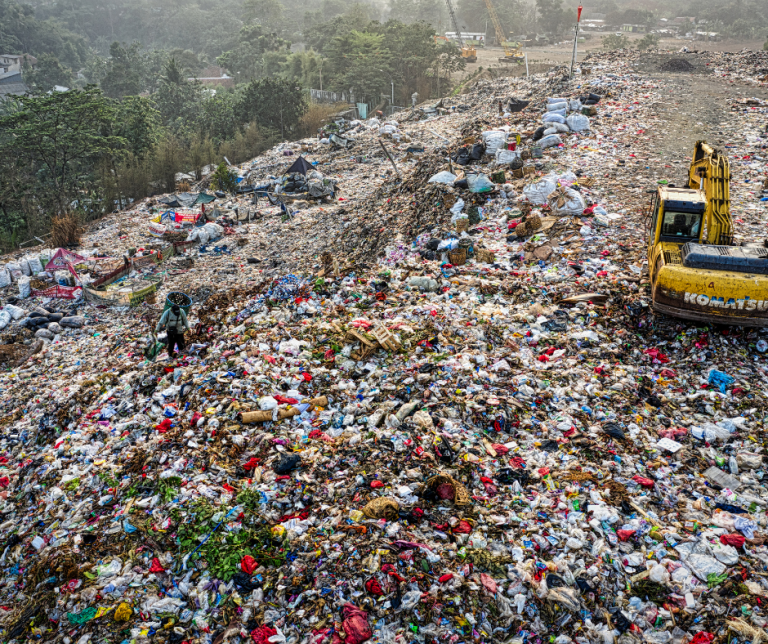
- Decomposing food in landfills produces methane, a potent greenhouse gas.
- Overflowing landfills accelerate climate change.
💰 Economic Loss
- Farmers, transporters, and retailers invest huge resources and labour in food that never gets eaten.
- Globally, food waste costs hundreds of billions of pounds each year.
🍽️ Social Inequality
- Millions face hunger and food insecurity, yet surplus food is discarded instead of redistributed.
- This highlights systemic inefficiencies and deepens social divides.
✨ Why This Matters
Food waste isn’t just a personal issue — it’s an environmental, economic, and social crisis rolled into one. Tackling it means rethinking how we value food, from farm to fork.
📊 Key UK Food Waste Statistics (2024–2025)
🏭 Overall Food Waste Volume
🏭 Overall Waste Volume
- The Courtauld Commitment 2025 baseline estimates 10.2 million tonnes of post‑farm‑gate food waste annually.
- Other studies put the figure between 9.5–10.7 million tonnes, showing just how big the issue is
🔍 What does “post‑farm‑gate” mean?
The figure of 10.2 million tonnes refers to food waste that happens after crops leave the farm gate — so it covers households, retailers, restaurants, and the wider supply chain. It does not include losses that occur on farms before harvest (like crops left in the field).
🏠 Household Food Waste
🏠 Household Food Waste
- Households are the biggest source, responsible for around 6.4 million tonnes a year — roughly 60–70% of the total
- In 2022, UK households wasted 6.0 million tonnes of food and drink — about 88 kg per person
🍽️ Edible vs Inedible Food Waste
🍞 Edible vs Inedible Waste
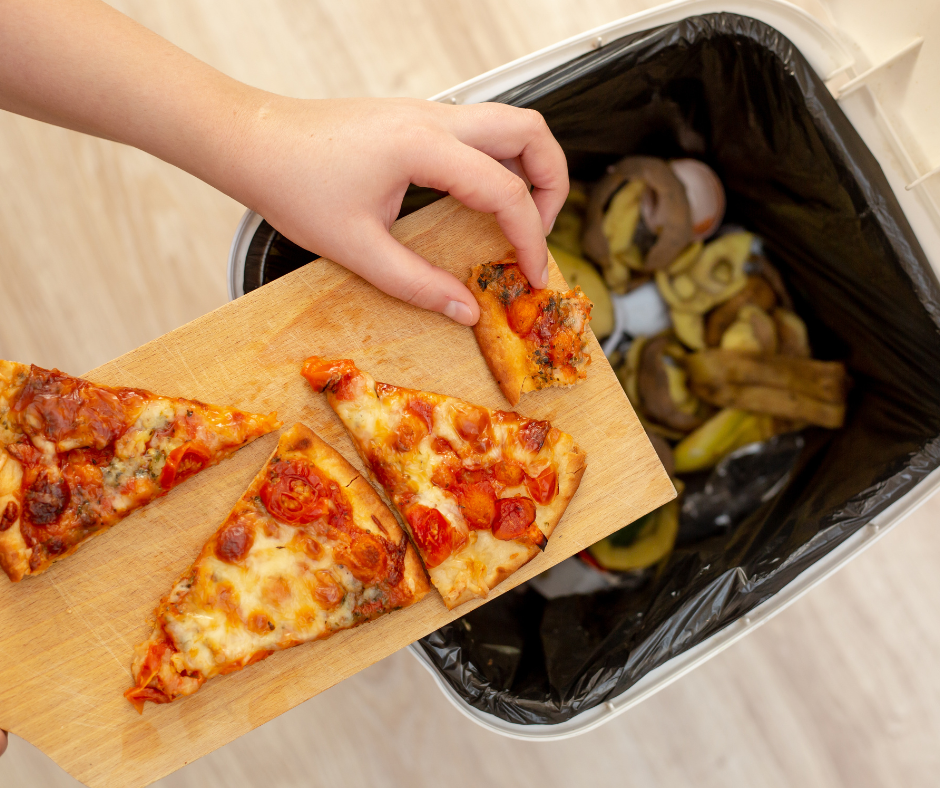
A surprising amount of what we throw away is perfectly edible.
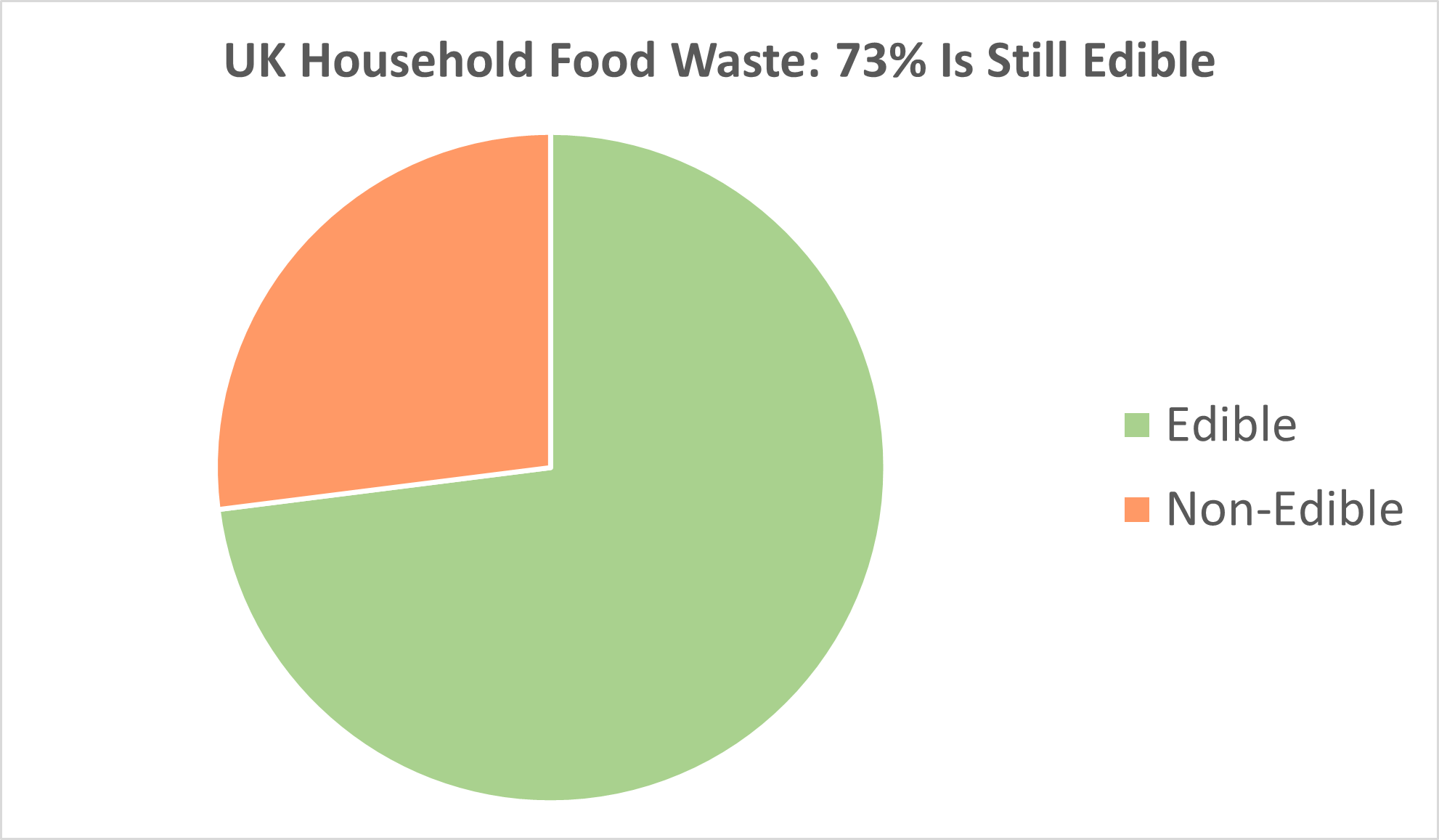
- 73% of household food waste is edible (bread, meat, fresh produce)
- Only 27% is inedible (peels, bones, eggshells)
Most of what ends up in the bin could have been a meal
🥔 Self‑Reported Waste & Common Items Wasted
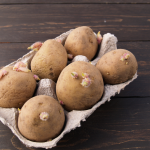
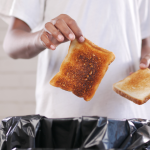
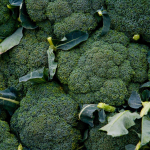

🥔 Self‑Reported Waste & Common Items Wasted
WRAP’s 2024 Food Management Survey found self‑reported household food waste rose from 20.2% (late 2023) to 21% (June 2024).
The most wasted items include:
- Potatoes: 22.6% waste rate
- Bread: 21.3%
- Broccoli: 21.0%
- Other notable items: carrots (~19.9%), bananas (20.1%), apples (19.3%).
🧾 Food Waste Costs
🧾Food Waste Costs
- The UK throws away around 9.52 million tonnes of food every year
- That’s enough to feed 30 million people
- Meanwhile, 8.4 million people here struggle with food insecurity
- Food waste costs the average UK household around £1,000 a year
- Across the country, that adds up to billions of pounds being thrown away
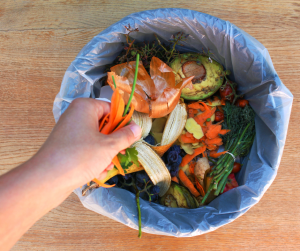
🌳 Environmental Impact
🌳 Environmental Impact
⚫ Carbon Emissions
Household food waste alone generated around 16 million tonnes of CO₂-equivalent in 2022. When we include waste across retail, hospitality, and supply chains, the figure rises to 18 million tonnes CO₂e — roughly 3% of the UK’s total consumption emissions. That’s a huge climate burden from food that was never eaten.
💧 Resource Use
Every wasted meal represents wasted land, water, and energy. Fertilisers, fuel, and irrigation used in farming are lost when food is discarded. Surplus food also requires refrigeration and transport, adding more emissions before it even reaches disposal.
🗑️ Disposal Impacts
Once food waste hits landfill, it produces methane, a greenhouse gas far more potent than CO₂. Even incineration or composting can’t erase the embedded emissions from production — those resources are gone for good.
🌍 Climate Context
Food waste is a climate driver on par with major industrial sectors. The good news? Cutting waste is one of the fastest, most effective ways to reduce emissions. No new technology required — just smarter prevention and redistribution.
👉 By tackling food waste, the UK can make immediate progress on climate goals while saving precious resources.
So what can we do about it?
The good news is that cutting food waste is one of the simplest, most effective ways to shrink our carbon footprint — starting right at home.
💡 Tips to Reduce Food Waste
Reducing food waste doesn’t have to be complicated. Small, everyday changes in how we shop, cook, store, and share food can make a big difference. Here are some practical ways to cut waste at home and in your community:
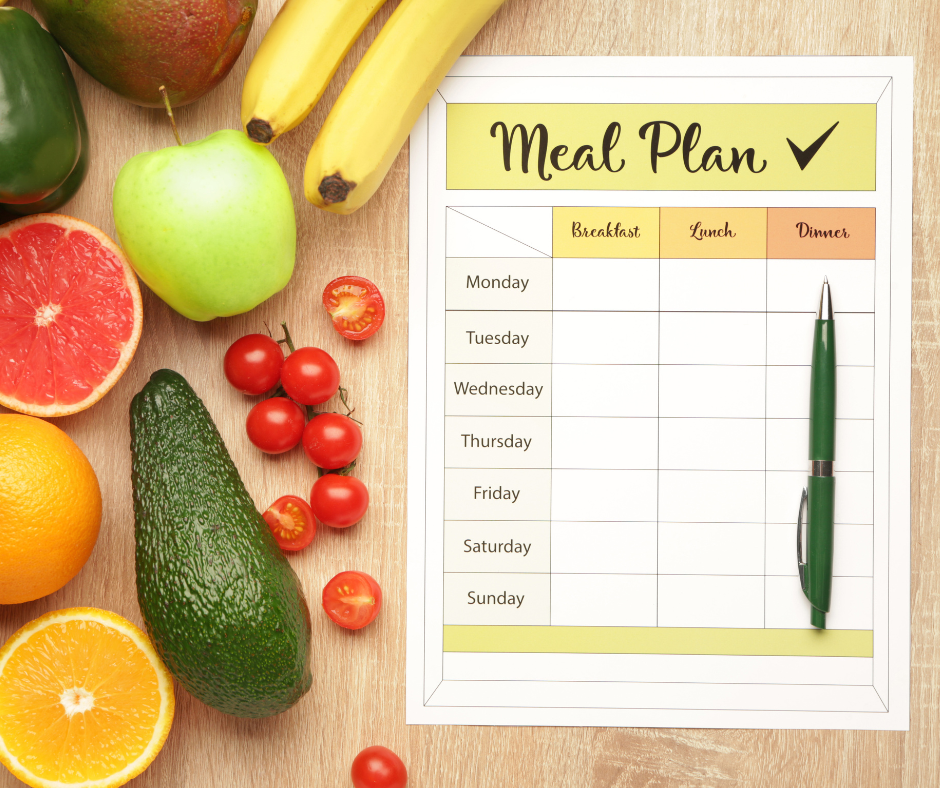
📝 Plan What You Eat
🛒 Smart shopping
- Plan menus ahead and only buy what you need.
- Make a list — and stick to it.
- Choose loose produce so you can buy the exact amount required.
🍽️ Smarter cooking and eating
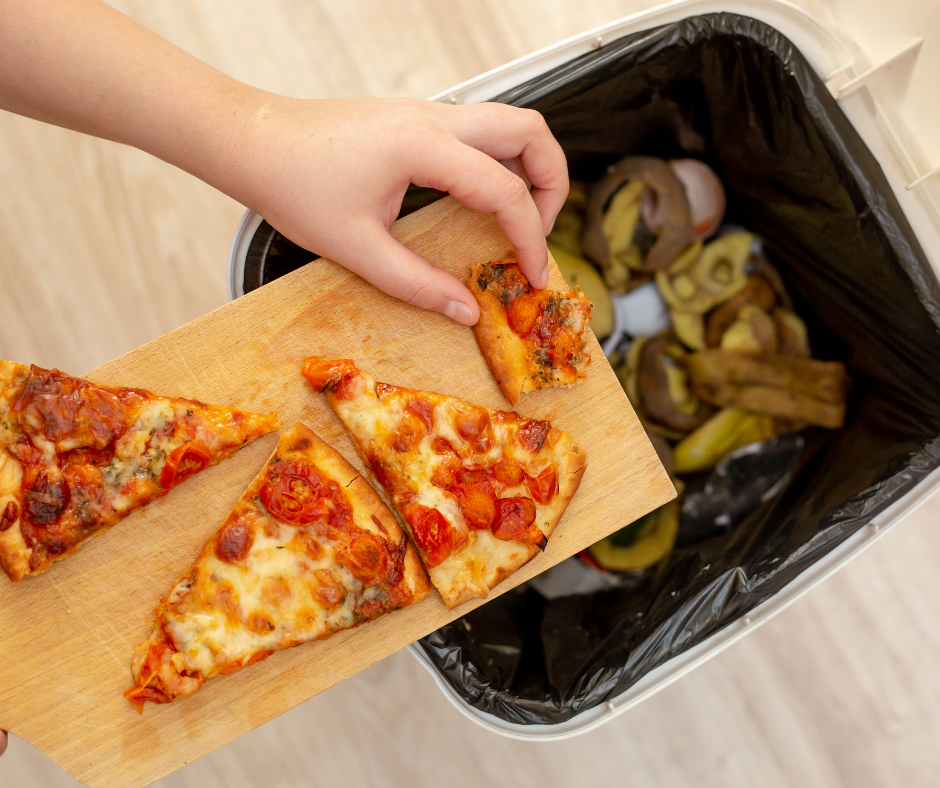
- Portion meals properly to avoid cooking more than you can eat.
- Repurpose leftovers into new dishes.
- Freeze extras (like bread) before they go off.
- Try freezing unusual foods — even eggs can be frozen safely for later use.
🛒 Buy Less Food
- Avoid bulk buying unless you’re sure you’ll use it all.
- Resist “two‑for‑one” deals if they’ll lead to waste.
- Shop more often in smaller amounts to keep food fresh.
🥦 Store Food Right
Storage is key:
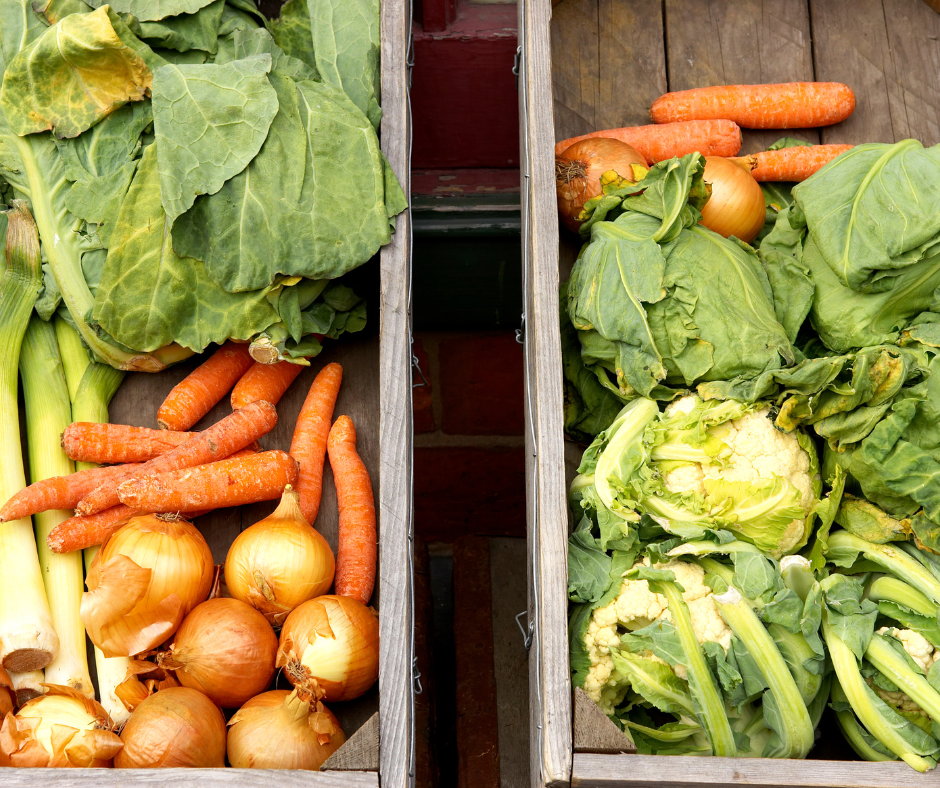
- Keep potatoes, garlic, and onions in a cool, dark place — although washed clean potatoes can be kept in the fridge.
- Store leafy greens in airtight containers with a paper towel to absorb moisture.
- Place milk, cheese, and yoghurt on the middle shelf of the fridge (not the door).
- Keep fruit separate — apples, bananas, and avocados release ethylene gas that speeds up ripening.
Waste less by using more:
- Turn veggie peels and stems into broth
- Use citrus zest to flavour cocktails or baked goods
- Transform stale bread into breadcrumbs or bread pudding
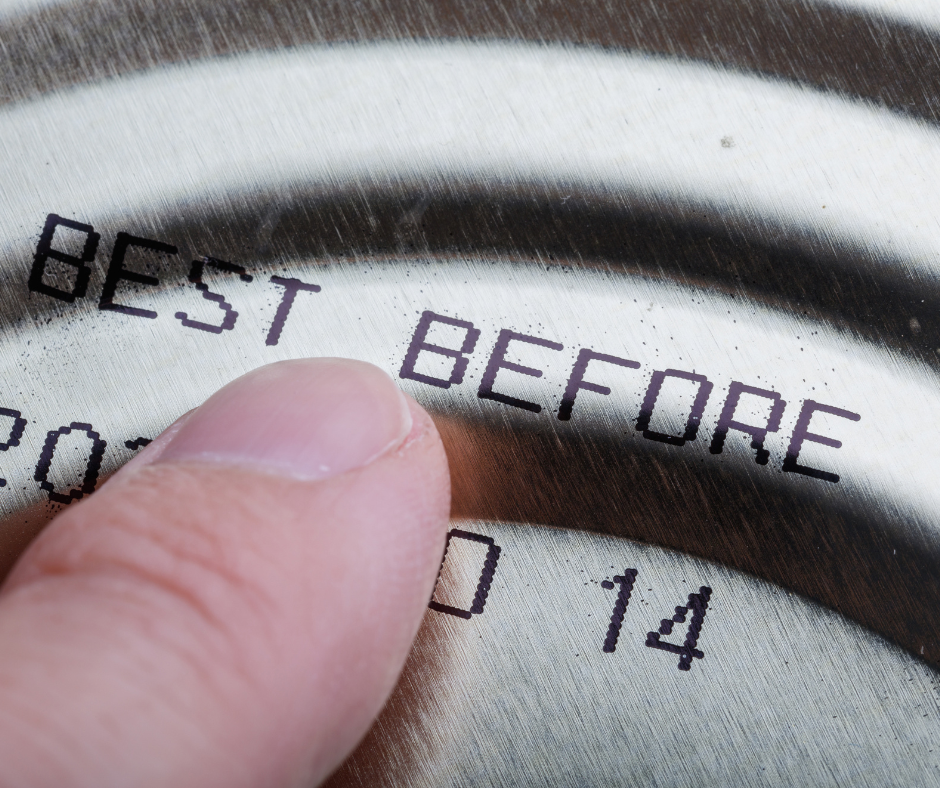
- Remember: Best Before dates are about quality, not safety — most foods are still perfectly good past their BBE, so trust your senses before throwing anything away
Want to learn more on how to store your food right, waste less, and make best use of leftovers? Check out Love Food Hate Waste from WRAP
🤝 Share Surplus Food
- Share extras with friends, neighbours, or through local food‑sharing programs.
- Support redistribution charities and community fridges that help surplus food reach those in need.
🌱 Composting
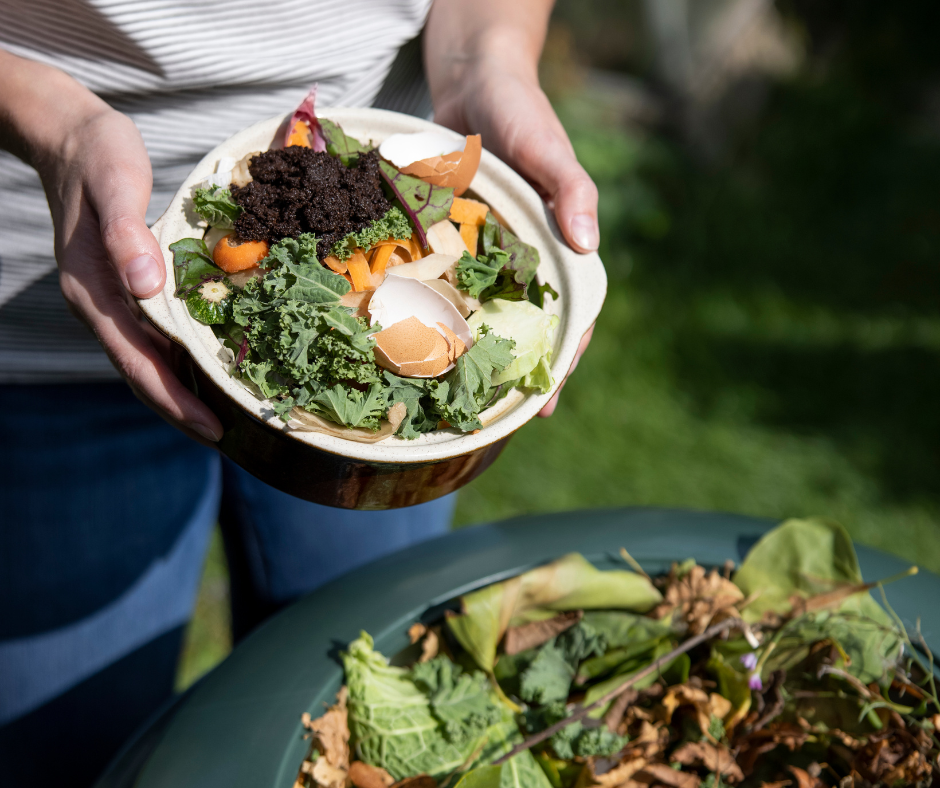
- Compost unavoidable scraps (like peels, eggshells, and coffee grounds) to return nutrients to the soil instead of sending them to landfill.
From Homes to Heroes
Cutting waste at home is a powerful first step — but it’s only part of the story. Beyond our kitchens, a whole network of food waste heroes is working to rescue surplus food, share it with communities, and make sure good food never goes to waste. From clever apps that connect neighbours, to charities redistributing surplus on a massive scale, these initiatives show how collective action can turn waste into hope.
Food Waste Heroes: Saving More, Wasting Less
🌟 Food Hero Websites
🌟 Food Hero Websites
Approved Foods
Approved Foods
Approved Foods is the UK’s biggest online clearance supermarket, specialising in surplus and short‑dated stock. They purchase food that shops can’t sell — whether due to short expiry dates, seasonal packaging, or discontinued lines — and make it available at discounted prices.
By redistributing this surplus, Approved Foods prevents millions of tonnes of food from going to waste, while helping households save money.
Best Before It's Gone
Best Before It’s Gone
An online retailer selling products close to or just past their best before date (but still perfectly safe to eat). By giving products a second chance, they help reduce supermarket and supplier waste, while offering customers discounts of up to 70–80%.
Clearance XL
Affiliate disclosure: To keep this guide free and accessible, I use affiliate links where appropriate. If you make a purchase, I may earn a small commission—never influencing the price you pay.
Clearance XL
Clearance XL is one of the UK’s leading online clearance supermarkets, specialising in short‑dated and surplus food, drink, and household products. They buy approved food bargains and discontinued stock, offering them at heavily discounted prices with nationwide delivery. By selling items that would otherwise go to waste, Clearance XL helps prevent unnecessary landfill while giving customers access to affordable essentials.
Discount Dragon
Discount Dragon
Discount Dragon is an online discount retailer offering big brand groceries and household goods at up to 60% off supermarket prices. They specialise in surplus and short‑dated stock, including snacks, cereals, sauces, drinks, and cleaning products. By redistributing products that might otherwise be wasted, Discount Dragon saves consumers money while reducing food waste across the UK supply chain.
🌟 Food Waste Rescue Apps
🌟 Food Waste Rescue Apps
Olio
Olio
A food-sharing app where neighbours and local businesses give away surplus food.
Too Good To Go
Too Good To Go
An app that lets people buy discounted surplus food from restaurants, cafés, and bakeries. Users can purchase “magic bags” or food parcels containing unsold items, helping reduce food waste while getting a surprise selection of food at a lower price.
🦸♂️ Food Redistribution Heroes
🦸♂️ Food Redistribution Heroes
FairShare (National)
FareShare
The UK’s largest food redistribution charity, moving surplus food from major companies to 8,000+ charities and community groups nationwide.
👉 FareShare | Fighting hunger, tackling food waste in the UK
Surplus to Supper (Surrey)
Surplus to Supper:
Grassroots charity in Surrey, redistributing surplus food to local charities and cooking meals in its community kitchen.
The BASIC Life Charity (Suffolk)
The BASIC Life Charity
Pioneering pop-up shops in Suffolk, offering affordable food without referrals and supporting schools with free breakfasts.
The Bread and Butter Thing (North of England)
The Bread and Butter Thing (TBBT):
Expanding across the North of England, providing affordable weekly food parcels through community hubs.
Felix Project (London)
The Felix Project
London’s largest food redistribution charity, rescuing quality surplus food for schools, shelters, and community kitchens.
Plan Zheroes (London)
Plan Zheroes
London platform linking businesses with surplus food to charities via online notifications.
👉 Plan Zheroes – Surplus Food Connector
Open Kitchen MCR (Manchester)
Open Kitchen MCR
Manchester social enterprise redistributing surplus food to support local communities.
Food Works (Sheffield)
Food Works (Sheffield)
Upcycles surplus food into meals and products, building a fairer food system.
Food For Nought (Peterborough)
Food For Nought
Peterborough-based charity Food for Nought delivers surplus food from local farmers and supermarkets to food banks and community fridges.
Shrewsbury Food Hub
Shrewsbury Food Hub
West Midlands charity redistributing surplus food to community groups.
Food Aware CIC
Food Aware CIC
Yorkshire hub accepting surplus, even past best-before, for community benefit.
👉 Food AWARE – Putting surplus food to work for the benefit of communities
Neighbourly
Neighbourly
Tech-powered platform connecting supermarkets with local charities for surplus redistribution.
👉Neighbourly – Connecting business and communities for social good | Neighbourly
The Real Junk Food Project
The Real Junk Food Project (TRJFP) – Incredible Surplus
UK-wide social enterprise intercepting surplus food, running social supermarkets and schools projects.
Community Shop
Community Shop
UK’s first social supermarket, offering deeply discounted surplus food alongside support hubs and community kitchens.
👉 Community Shop – Social Supermarket & Support Hubs
👉 Surplus Food & Goods Redistributor | Company Shop Group
City Harvest (London)
City Harvest London
Collecting surplus food from markets and restaurants, delivering millions of meals to shelters and community groups.
Devon and Cornwall Food Action
Devon and Cornwall Food Action
South West charity redistributing surplus food via a Plymouth hub with chilled and frozen storage.
Community Fridges (National)
Community Fridges (Hubbub)
Over 500 fridges nationwide, open-access spaces where surplus food is shared freely among residents.
UK Harvest
UKHarvest
Based in West Sussex, redistributing surplus food through hubs and teaching communities how to cook and reduce waste.
FoodCycle
FoodCycle
Volunteers transform surplus food into free community meals, tackling hunger and loneliness through shared dining.
🥕 Wonky Veg & Box Schemes
Alongside national food rescue apps, wonky‑veg and surplus‑produce box schemes (such as Oddbox and other regional providers) help tackle waste even earlier in the supply chain. They collect fruit and veg rejected by supermarkets due to cosmetic reasons or over‑ordering, and deliver them directly to households. This keeps perfectly edible produce in circulation while supporting farmers and reducing on‑farm waste.
📍 Turning the Bigger Picture Into Local Action
National food rescue apps and redistributors cover a huge amount of surplus food, but they’re only part of the picture.
Community food hubs — such as larders, social grocers, and pantries — complement this work at the local level. They make surplus food available directly to households, often through membership schemes or small access fees. Typically run by charities, councils, or volunteers, these hubs provide affordable groceries while reducing waste. Because they vary from place to place, it’s worth doing a little digging to find what’s active near you.
How to Find Your Local Community Food Hubs
- Check national directories:
- Search online by location:
- try searching terms like:
“community larder near me”, “food pantry [your town]”, or “community grocer [postcode]”
- try searching terms like:
- Contact local councils or charities:
Many councils or charities maintain lists of local food hubs. - Ask at local community centres, groups or churches:
Some hubs rely on word-of-mouth and may not advertise widely.