
 Back to our Sustainable Business Hub

Creative Waste Solutions
Turning Business By-Products into Artisan Gold
A simple guide to helping SMEs turn everyday surplus into community‑powered sustainability
Sustainable growth doesn’t need to be complicated or expensive. For small and medium‑sized businesses, traditional waste management often means watching perfectly usable materials head straight to landfill while disposal fees continue to rise. But what if your operational surplus could become a local creator’s next project?
By shifting from disposal to redistribution, your everyday by‑products can directly support grassroots makers, repair groups, upcycling hubs, and community studios. This simple mindset change helps you cut overheads, strengthen your brand story, and contribute to a thriving local circular economy.
Why Circular Practice Matters for SMEs
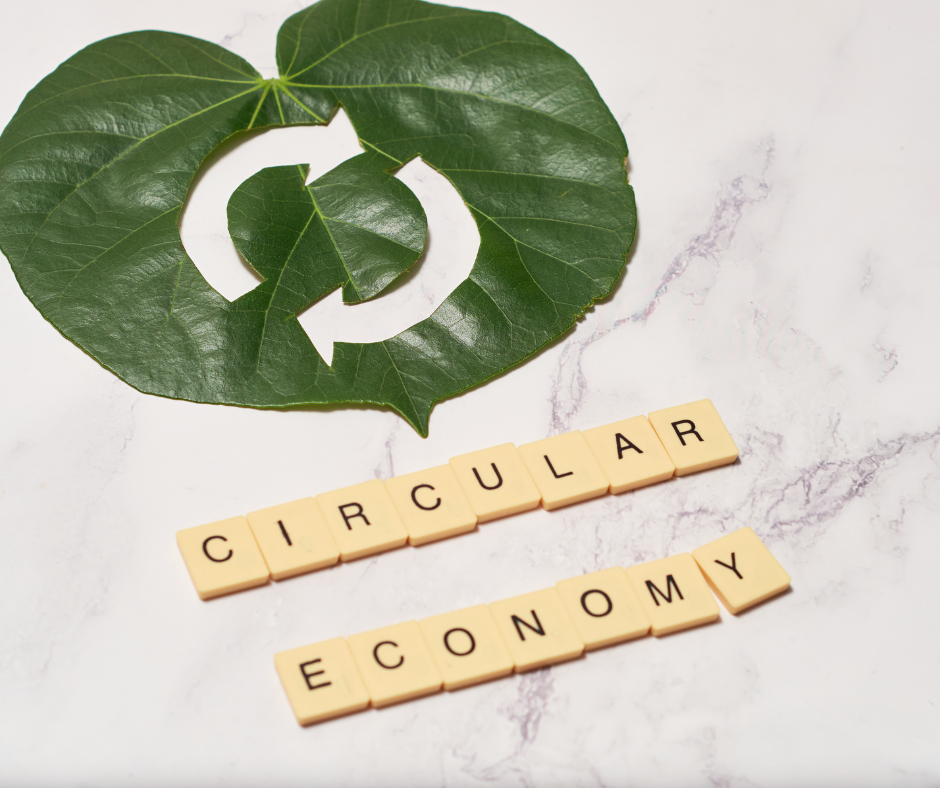
The linear take‑make‑dispose model creates unnecessary waste, higher operating costs, and larger carbon footprints. Circular practice flips this approach by keeping materials in circulation for as long as possible, regenerating natural systems and supporting local resilience.
For SMEs, adopting circular habits delivers clear, practical benefits:
- Lower Disposal Costs
Landfill and commercial waste fees continue to rise. Diverting reusable materials reduces collection frequency and keeps overheads down. - Stronger Brand Storytelling
Customers and partners increasingly choose businesses that act responsibly. Being able to say your offcuts, packaging, or surplus materials are upcycled by local makers is a powerful, authentic narrative. - Future‑Ready Compliance
Circular habits help you stay ahead of tightening environmental regulations and carbon reporting expectations. - Meaningful Social Value
Supporting local repair groups, schools, and artisans creates visible community impact without needing large budgets.
The Circular Advantage:
Creative reuse doesn’t just clear your storage room, it builds community connections and gives your business a transparent, compelling sustainability story.
How to Get Started with Creative Reuse
Transitioning to circular practice is easier when broken into simple steps:
Conduct a Waste Audit
Track what your business throws away over a week, focusing on clean, non‑hazardous materials. For a step‑by‑step method, see our Bin-Audit Guide.Find Your Local Networks
Look for material exchanges, creative reuse centres, repair cafés, maker collectives, or community workshops in your area.Establish a Routine
Set up a dedicated reuse bin so staff can easily separate materials ready for drop‑off or collection by local partners.
Sector-Specific Examples of Creative Reuse
🔹Hospitality & Cafes
Spent coffee grounds for mushroom growers and gardeners.
Glass bottles, wine corks, and clean jars for crafters, candle makers, or homebrewers.
🔹Trade & Construction
Timber offcuts, tile fragments, and metal remnants for DIYers, community woodshops, sculptors, and makers.
🔹Office Services & Admin
Single‑sided paper, binders, folders, and old banners for schools, community art groups, or upcyclers.
🔹Creatives & Creators
Fabric remnants, yarn ends, scrap metal, framing offcuts, ideal for neighbouring studios or material exchanges.
🔹Microbusinesses & Solopreneurs
Clean bubble wrap, packing peanuts, and boxes for local online sellers who reuse packaging for fulfilment.




Avenues for Creative Collaboration
🔹Upcycling Hubs and Maker Spaces: Community workshops and creative hubs are constantly searching for affordable materials. Items like timber offcuts, acrylic sheets, and fabric remnants can easily be transformed into furniture, art, or everyday consumer goods.
🔹Repair and Reuse Groups: Local volunteer-led repair cafes or community lending libraries can often salvage broken electronics, furniture, or mechanical parts, keeping useful items in circulation much longer.
🔹Independent Crafters and Artisans: Solo makers love sourcing unique and low-cost materials. Leftover leather, glass jars, corks, or yarn can become the brilliant foundation of an artisan’s next product line.
🔹Schools and Community Groups: Educational spaces always thrive on craft supplies. Clean packaging materials, sturdy cardboard tubes, and paper scraps make fantastic, zero-cost resources for art and design classes.
Creative reuse strengthens your business, your community, and your sustainability story, one material at a time.
📝 Affiliate Disclosure: To keep our website free and accessible, I use affiliate links where appropriate. If you make a purchase, I may earn a small commission—never influencing the price you pay. Every recommendation is based on hands-on experience or thorough research tailored to UK households.