
🧽 Cleaning More Sustainably

Small swaps, smarter choices, and simple habits that make a big difference

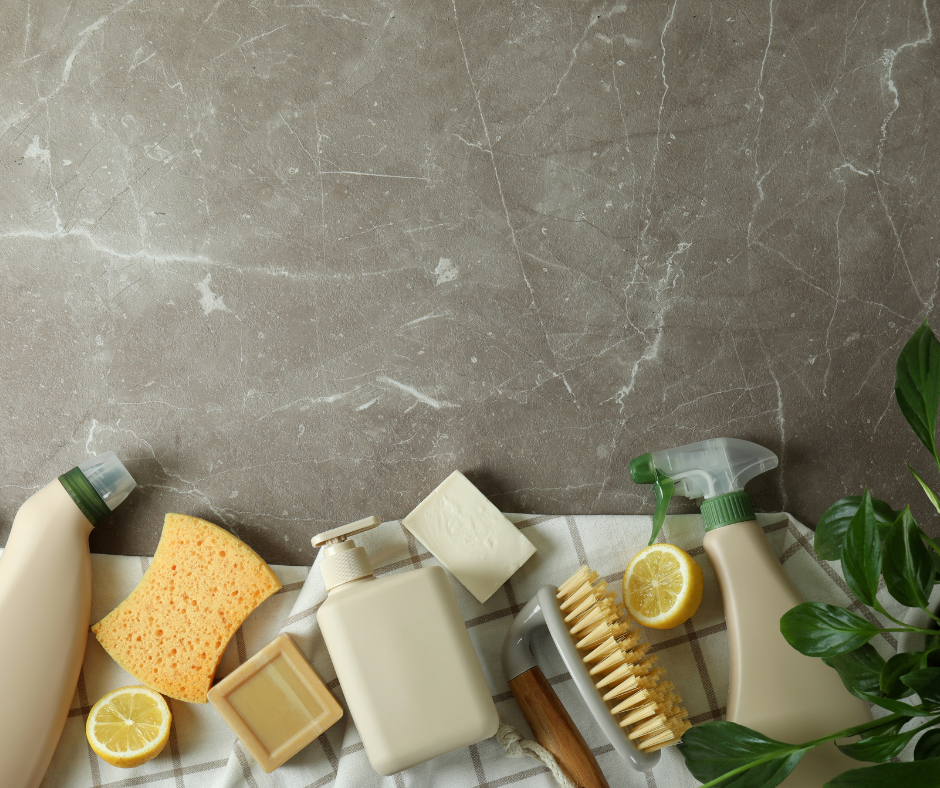
Sustainable cleaning doesn’t have to be complicated. It’s about reducing plastic where you can, choosing products that are kinder to your home and the environment, and using water more thoughtfully. This guide breaks everything down into three easy steps so you can build a routine that’s low‑waste, effective, and genuinely enjoyable

Contents

🧽

Ditch the Plastic

♻️ Use What You Already Have First

Sustainable choices don’t begin with buying new things — they begin with using up what you already own. Throwing away perfectly usable cleaners, cloths, or tools in order to “go eco” only creates more waste. Finish what you have, use items to the end of their life, and then replace them with low‑waste, reusable, or biodegradable alternatives when they genuinely need upgrading. This approach saves money, reduces waste, and makes every swap more meaningful.

🌿 Why Swap Out Plastic Cleaning Tools

From sponges to scrub brushes to bin liners, many everyday cleaning tools are made from plastic that sheds microplastics, can’t be recycled, and lingers in landfill for decades. This section helps you swap them for natural, biodegradable, long‑lasting alternatives that clean brilliantly without the waste.

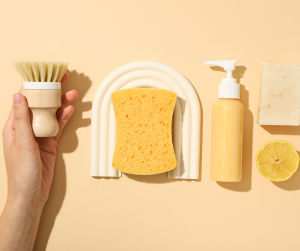
🧽 Sponges, Scourers, and Scrub Brushes

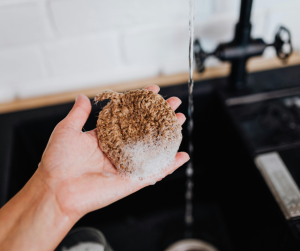
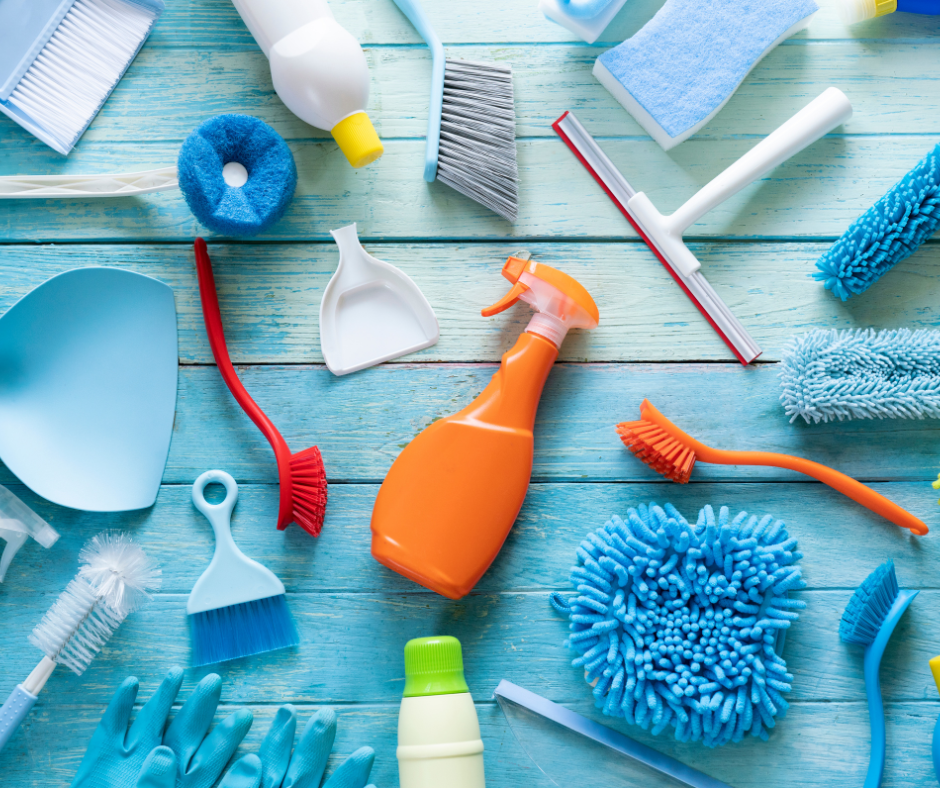
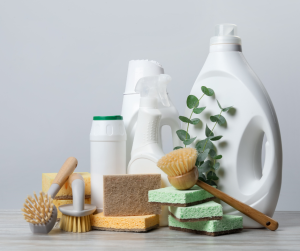
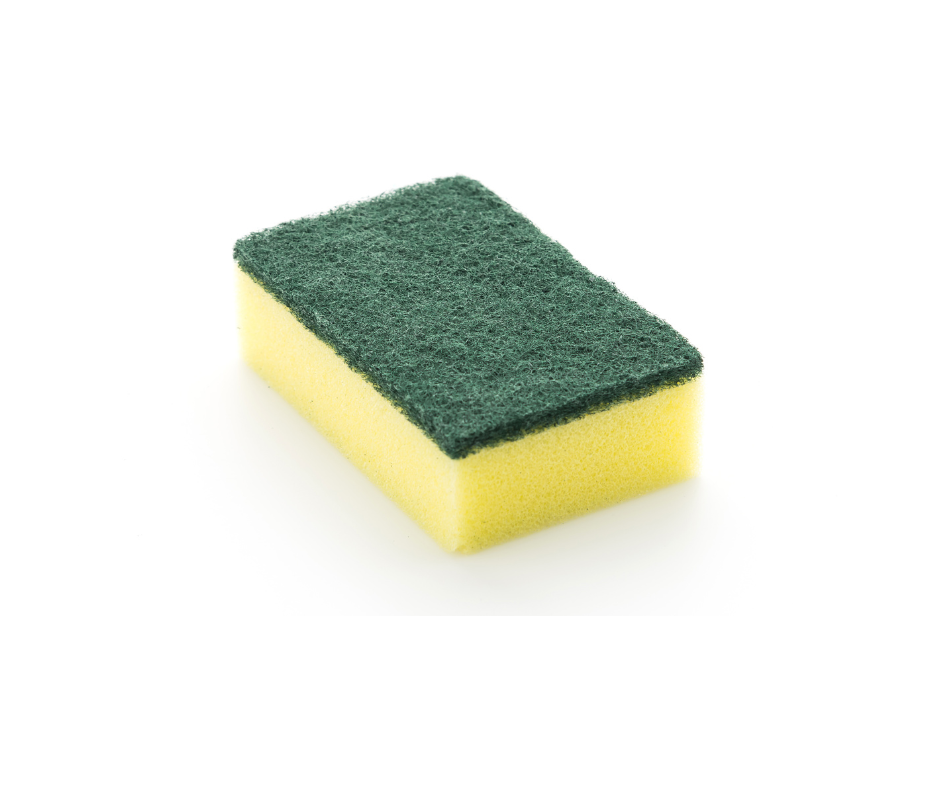
Traditional sponges shed microplastics, wear out quickly, and head straight to landfill. Those cheap yellow plastic sponges with the green scouring pad are some of the worst offenders — the abrasive green layer sheds microplastics from the very first use, leaving tiny plastic fibres in your sink, on your dishes, and eventually in waterways. The same is true for many plastic scrub brushes, which lose bristles over time and contribute to microplastic pollution with every wash. Natural alternatives clean just as well and last far longer.

💚 Natural, Low‑Waste Options That Are Biodegradable

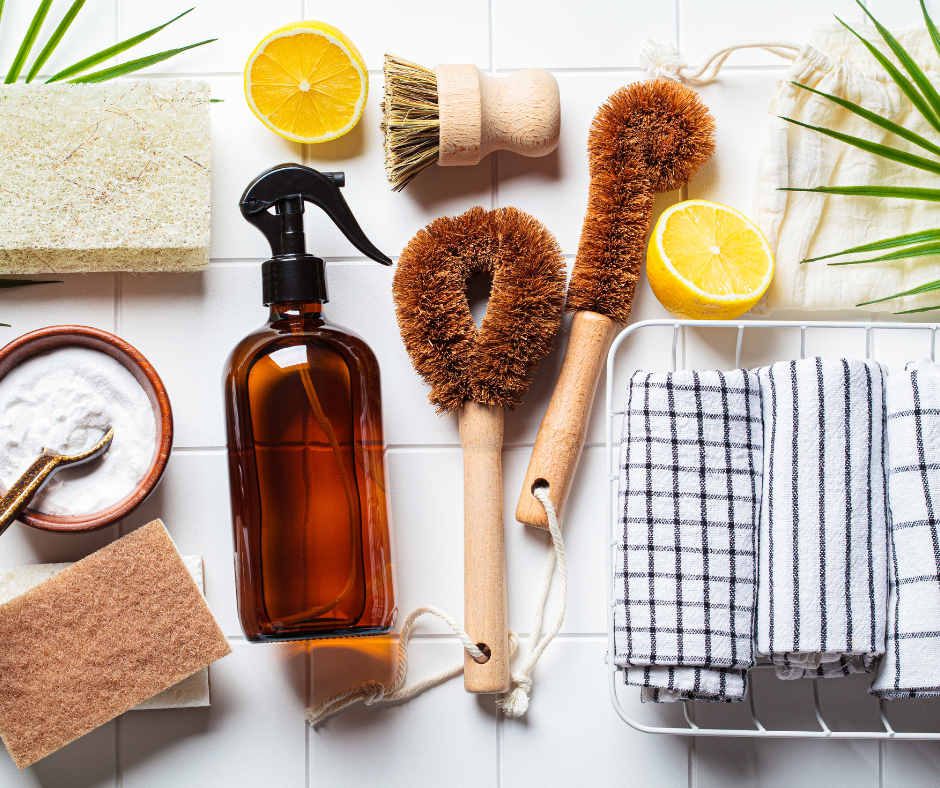
Switching to biodegradable cleaning tools is one of the simplest ways to cut down on plastic waste. These options are made from natural fibres, plant‑based materials, and compostable components — so when they eventually wear out, they return to the earth instead of sitting in landfill for decades.

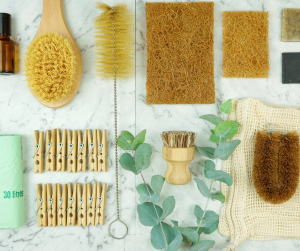
🌱 Great biodegradable swaps

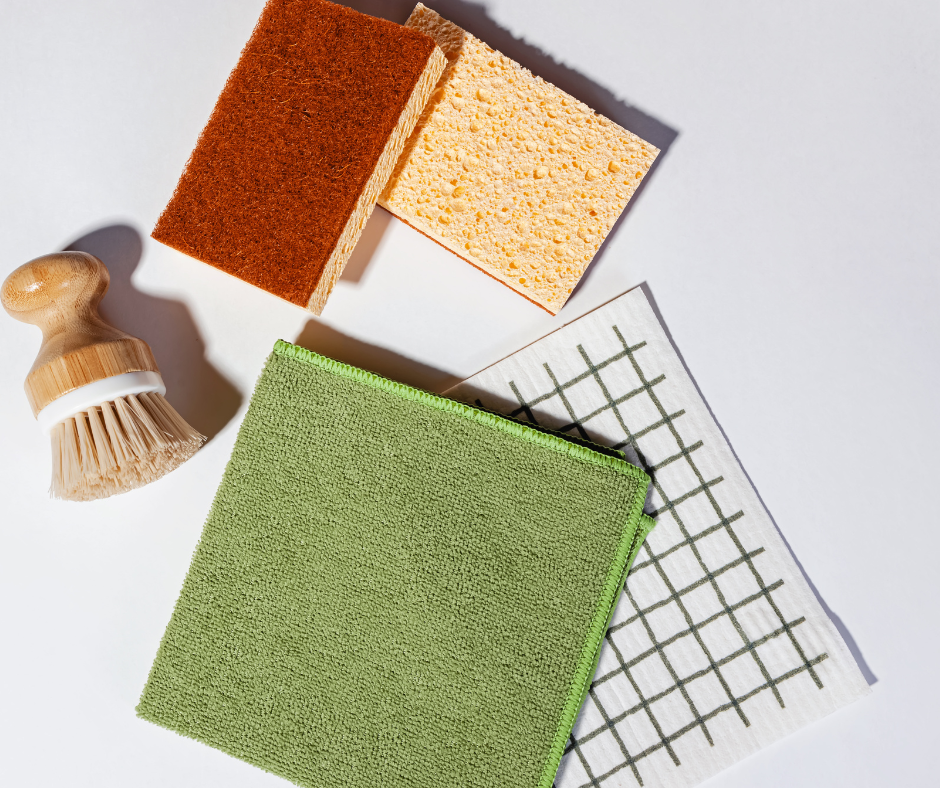
🔸 Plant-based cellulose sponges

Made from wood pulp, they are fully biodegradable and perfect for everyday cleaning. 

🔸 Cellulose + Loofah sponges

Soft sponge on one side, natural loofah scrubber on the other. Entirely plant-based and compostable.

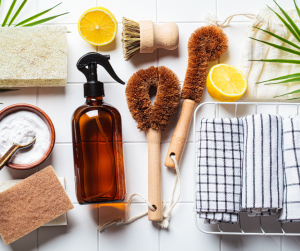
🔸 Coir scrub pads

Made from coconut fibre. Tough, durable, and brilliant for scrubbing powers without shedding microplastics. 

🌍 Why Biodegradable Matters

Choosing biodegradable options have multiple benefits, these items:

  • Don’t shed microplastics into waterways
  • Break down naturally at end‑of‑life
  • Reduce reliance on fossil‑fuel‑based plastics
  • Support a circular, low‑waste cleaning routine
  • Are safer for wildlife, soil, and water systems

Biodegradable tools paired with refillable cleaning products create a simple, low‑impact cleaning routine that’s better for your home and the planet.

🧺 Washable Cloths Instead of Throwaway Wipes

Disposable wipes are convenient but create huge amounts of waste — and many contain plastic fibres.

Reusable cloths are a simple, cost‑effective alternative. These include:

🔹 Swedish dishcloths

Comprised of cellulose and waste cotton. They’re washing, long-lasting, and compostable at end-of-life.

🔹 Unbleached cotton or bamboo cleaning cloths

Soft, reusable, and biodegradable — a great alternative to disposable wipes.

Just wash, air dry, and reuse. One cloth can replace dozens of packs of wipes.

🧼 A Note on Microfibre Cloths & Wash Bags

Microfibre cloths clean well and last a long time, but they do shed tiny plastic fibres in the wash. Some people use specialist wash bags to catch these fibres, but it’s worth noting that products like the Guppyfriend bag have mixed reviews — several users report that they can wear out or become damaged more quickly than expected.

If you want to avoid microplastic shedding altogether, the simplest option is to choose natural‑fibre cloths (cotton, bamboo, cellulose, Swedish dishcloths). They’re durable, washable, and fully biodegradable at end‑of‑life.

🧹 Swap Plastic Brushes for Wooden Ones with Natural Bristles

Plastic washing‑up brushes and toilet brushes shed microplastics, wear out quickly, and can’t be recycled because they’re made from mixed materials. Switching to wooden brushes with natural bristles is a simple upgrade that cuts plastic waste, avoids microplastic shedding, and offers a far lower environmental impact.

🔁 Why Swap to a Wooden Toilet Brush

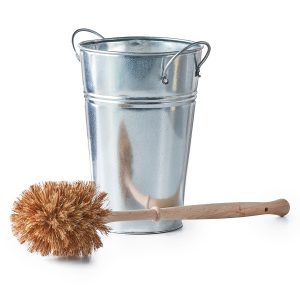
Plastic toilet brushes wear out quickly, shed microplastics, and can’t be recycled due to their mixed materials. Wooden toilet brushes with coco‑fibre bristles are a simple, durable alternative that avoid all of those issues. They don’t shed plastic, they don’t release toxic chemicals at end‑of‑life, and the wood used in their handles comes from trees that have already sequestered carbon during their growth. Even if you dispose of them in general waste, they break down far more safely than plastic brushes and have a much lower environmental impact overall.

🧼 Care Tips to Help It Last

To keep a wooden toilet brush in good condition, let it dry fully between uses, store it in a ventilated holder rather than an enclosed pot, and avoid leaving it sitting in water. These simple habits help prevent mould, protect the wooden handle, and extend the life of the natural bristles.

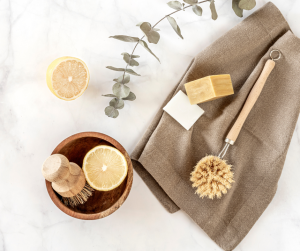
🍽️ Why Swap to a Wooden Washing‑Up Brushes with Natural Bristles

🍽️ Wooden Washing‑Up Brushes with Natural Bristles

Plastic washing‑up brushes shed microplastics from the very first use, and once the bristles start to break down, they can’t be recycled because of their mixed materials. Wooden washing‑up brushes with natural fibre bristles (such as tampico or coco fibre) offer a far lower‑waste alternative. They’re sturdy, effective, and free from synthetic components, so they don’t release microplastics during use or at end‑of‑life.

Many designs also come with replaceable heads, which means you only swap out the worn bristles rather than the whole brush — reducing waste even further. The wood used in their handles comes from trees that have already sequestered carbon as they grew, and even when disposed of in general waste, these brushes break down far more safely than plastic versions.

🧼 Care Tips to Make It Last

To keep wooden brushes in good condition, let them dry bristle‑side down after use, avoid leaving them soaking in water, and occasionally oil the wooden handle to prevent cracking. With simple care like this, natural‑bristle brushes last longer and reduce the need for replacements.

♻️ End‑of‑Life: What to Do When They’re Worn Out

When your wooden brushes eventually reach the end of their life, you can simply place them in general waste. Because they’re made from natural materials, they break down far more safely than plastic brushes and won’t release microplastics or toxic chemicals as they degrade. If your local area uses Energy‑from‑Waste, the wood and plant fibres will contribute to energy recovery rather than lingering in landfill.

🗑️ Rethinking Bin Liners

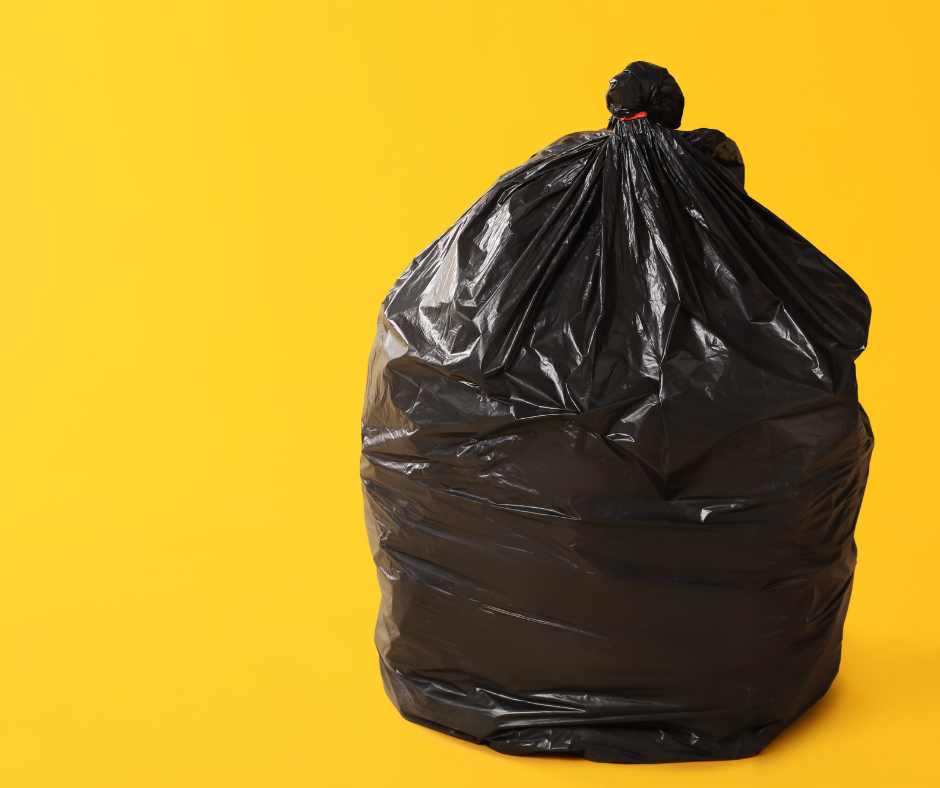
Small changes that cut plastic waste every single day. Bin liners are one of those hidden sources of plastic we rarely think about — but they add up fast. Most households use them daily, and traditional bin bags are made from virgin plastic that takes decades to break down. The good news is that there are simple, low‑waste alternatives that work just as well.

🌿 Why Traditional Bin Liners Aren’t Ideal

  • Made from fossil‑fuel‑based plastic
  • Not recyclable once used
  • Take years to break down in landfill
  • Often oversized for the bin, meaning more plastic than needed
  • Can release microplastics as they degrade

Even if your council uses Energy‑from‑Waste, the plastic still burns into CO₂ and other emissions.

🌱 Better Low‑Waste Options

You don’t need to go completely bag‑free to make a difference — just choosing smarter liners can significantly reduce your environmental impact.

Compostable Bin Liners

💚 Compostable Bin Liners

Made from plant‑based materials like cornstarch or potato starch.

  • Break down naturally
  • Great for food waste caddies
  • Suitable for home composting (check the label)
  • No microplastic residue

♻️ Recycled Plastic Bin Liners

A good step if compostable isn’t suitable for your bin.

  • Made from post‑consumer recycled plastic
  • Lower carbon footprint
  • Reduces demand for virgin plastic
  • Strong and reliable for general waste

📃 Paper Liners for Food Waste

Ideal for kitchen caddies.

  • Absorb moisture
  • Fully compostable
  • Reduce smells
  • No plastic at all

🧺 Go Bag‑Free (Where It Makes Sense)

Some bins don’t need liners at all — especially if they’re used for dry recycling or bathroom paper waste.

Try:

  • Rinsing the bin after emptying
  • Using a washable bin insert
  • Lining the bottom with newspaper for easy cleaning

Even going bag‑free in just one bin reduces plastic use over the year.

💡 Tips for Choosing the Right Option

  • Match the liner to the type of waste (food, general, recycling)
  • Choose the smallest size that fits your bin
  • Look for certified compostable logos (EN13432 or OK Compost)
  • Avoid “biodegradable plastic” — it often just breaks into microplastics
  • Use up any existing liners before switching to new ones

♻️ End‑of‑Life: Plastic vs Natural Cleaning Tools

Not all cleaning tools end their life in the same way. Some break down naturally and return to the earth. Others linger for decades, shedding microplastics long after they’ve left your home. Understanding the difference helps you choose products that genuinely reduce waste.

🧽 Traditional Plastic Cleaning Tools

End‑of‑life outcome:

  • Go straight to landfill
  • Do not biodegrade
  • Break down into microplastics over time
  • Release plastic fibres into waterways from the very first use
  • Cannot be recycled due to mixed materials (foam + abrasive layer + adhesives)

Environmental Impact:

These sponges continue polluting long after you’ve thrown them away. The cheap yellow sponge with the green scouring pad is one of the worst offenders — the green layer sheds microplastics from day one.

🔥 Traditional Plastic Cleaning Tools (Energy‑from‑Waste Outcome)

If your local council sends non‑recyclable waste to an Energy‑from‑Waste (EfW) facility rather than landfill, plastic cleaning tools still don’t get a clean ending. They’re incinerated to generate energy, but:


  • The plastic doesn’t truly disappear — it’s simply burned instead of buried.
  • Burning plastics releases CO₂ and other emissions, contributing to air pollution and climate impact.
  • Any remaining ash still needs to be disposed of, often in landfill.
  • Microplastics shed during their use have already entered waterways, long before disposal.
  • Mixed‑material items (foam, adhesives, plastic bristles, abrasive pads) cannot be separated or recycled, so EfW is the only option.
Environmental Impact:

EfW prevents plastic sponges and brushes from sitting in landfill for decades, but it doesn’t solve the underlying problem — they’re still single‑use fossil‑fuel products that pollute during use and release emissions at end‑of‑life.

🌿 Natural, Biodegradable Cleaning Options

End‑of‑life outcome:

  • Fully biodegradable (cellulose, loofah, coir, cotton, bamboo, wood)
  • Can be composted at home or added to council green waste
  • Break down into natural fibres that enrich soil
  • No microplastic shedding
  • Wooden brushes with natural bristles can be composted; metal parts can be recycled
  • Swedish cloths and cotton/bamboo cloths can be washed hundreds of times before composting

Environmental Impact:

These products return safely to the environment, leaving no trace behind. Even if they end up in landfill, they break down far faster than plastic alternatives

🤔 What to Do With Old Plastic Cleaning Tools

1. Use Them for Messier Jobs
Keep worn brushes for things like bins, outdoor scrubbing, DIY, or muddy boots so you squeeze out every bit of usefulness.

2. Separate Parts If You Can
If a tool has removable metal parts, recycle the metal and put the plastic in general waste.

3. Bin the Rest
When they’re truly worn out, place them in general waste — most plastic cleaning tools aren’t accepted in kerbside recycling.

4. Focus on Future Choices
Use up what you have, replace items only when needed, and choose natural or refillable options next time.

🧽

 Smarter Cleaner Choices 

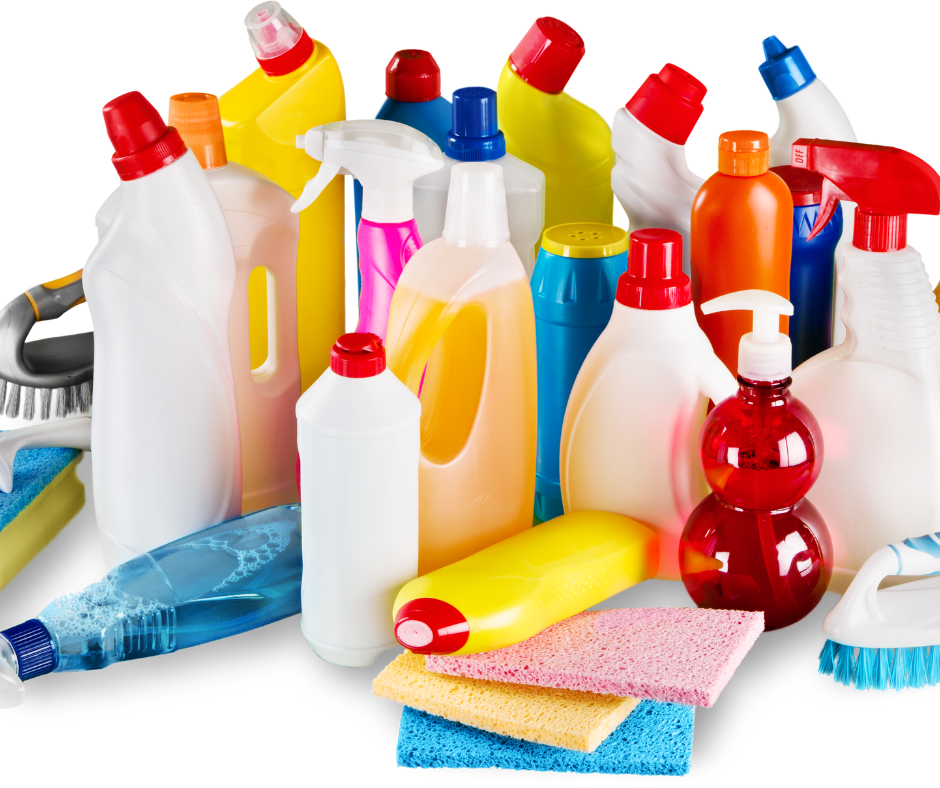
Most homes are overflowing with bottles of cleaners that all do the same thing. Here you can guide people toward refillable pods, tablets, concentrates, non‑toxic formulas, and reusable cloths that cut down on plastic, reduce harmful chemicals, and simplify the whole cleaning routine.

🧼 Fed Up With Cupboards Full of Cleaners

Most “specialist” cleaners are just variations of the same ingredients. A small set of versatile, refillable products can replace an entire shelf of plastic bottles.

A few staples can handle almost everything:

  • A multi‑purpose cleaner
  • A glass/mirror spray
  • A gentle bathroom cleaner
  • A concentrated refill or tablet system
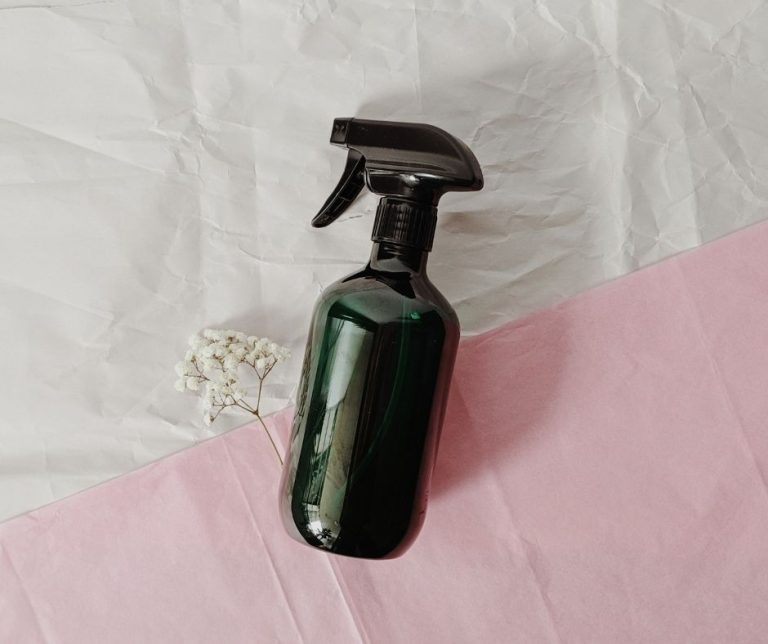
  • A reusable spray bottle
Fewer products = less plastic, less clutter, more space.

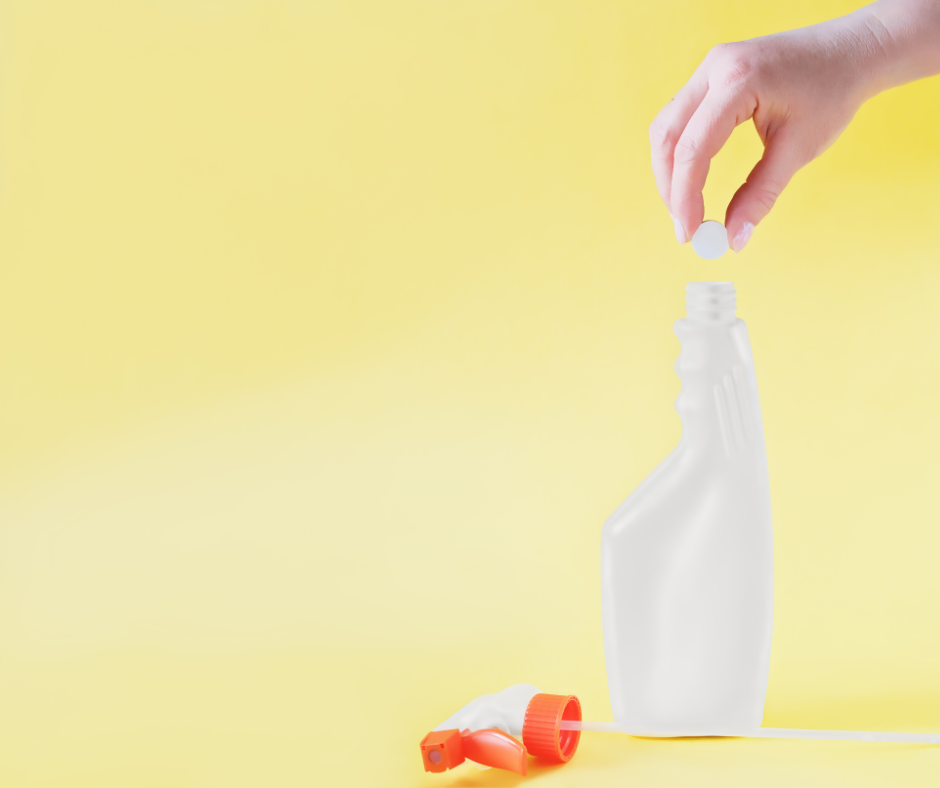
💧 Cleaning Pods, Tablets & Concentrates

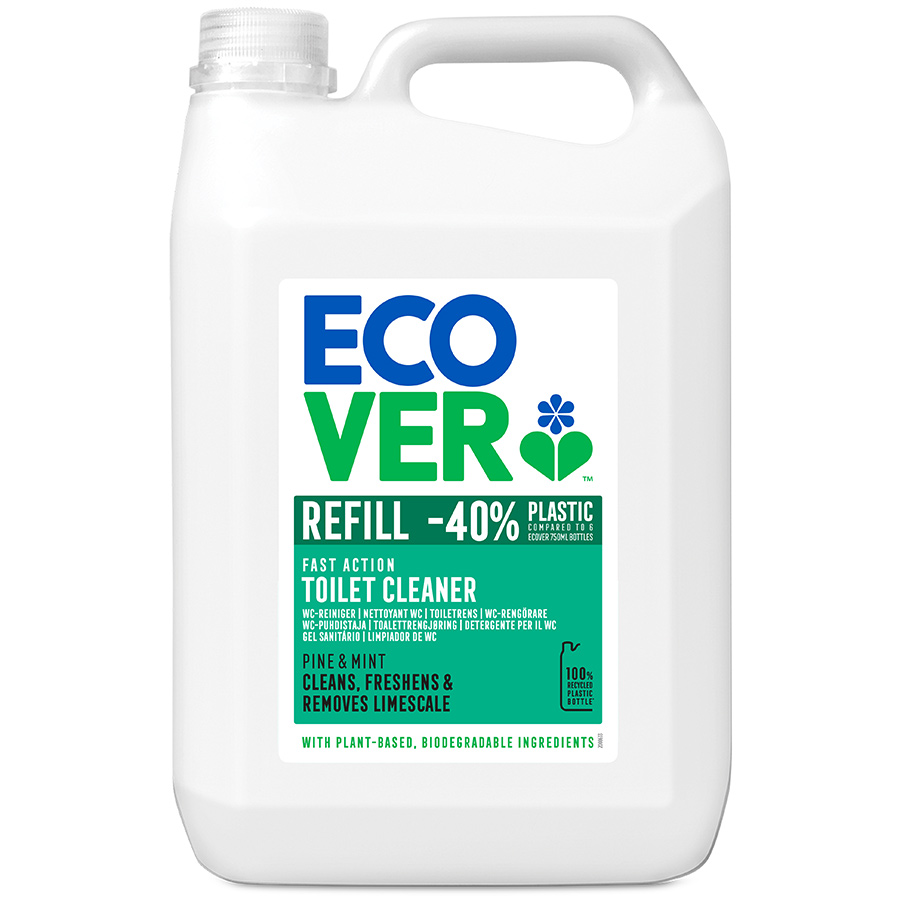
One of the easiest ways to reduce plastic waste is to switch to refill systems that let you reuse the same bottle again and again.

Options include:

  • Dissolvable cleaning pods
    Drop into a reusable bottle, add water, shake — done.
  • Cleaning tablets
    Lightweight, plastic‑free, and perfect for multi‑purpose sprays.
  • Concentrated liquids
    A small bottle makes multiple refills. Less packaging, fewer deliveries, lower carbon footprint.
  • Concentrated powders
    Add to warm water to create your own cleaning solution.
     

These options dramatically reduce single‑use plastic and cut down on the emissions associated with transporting heavy, water‑filled bottles.

🫧 Chemical-Free & Non-Toxic Options

Many conventional cleaners contain harsh chemicals that can irritate skin, harm aquatic life, and pollute waterways. Sustainable cleaning focuses on gentler, non‑toxic ingredients that still get the job done.

Look for:

  • Plant‑based surfactants
  • Essential‑oil‑based fragrances (or fragrance‑free)
  • Biodegradable formulas
  • Products labelled non‑toxic or eco‑certified
  • Vinegar, bicarbonate of soda, citric acid (for DIY cleaning)

These options are safer for your home, your skin, and the environment.

🧽

Use Less Water 

Sustainable cleaning isn’t just about what you buy — it’s also about how you clean. Small shifts like spray‑and‑wipe methods, damp‑cloth cleaning, and choosing products that require less rinsing can save litres of water every week.

💦 Cleaning With Less Water

Sustainable cleaning isn’t just about the products — it’s also about how you use them.

Small changes make a big difference:

  • Use a spray‑and‑wipe method instead of soaking surfaces
  • Choose concentrated products that require less rinsing
  • Use damp cloths rather than running water
  • Clean little and often to prevent heavy scrubbing
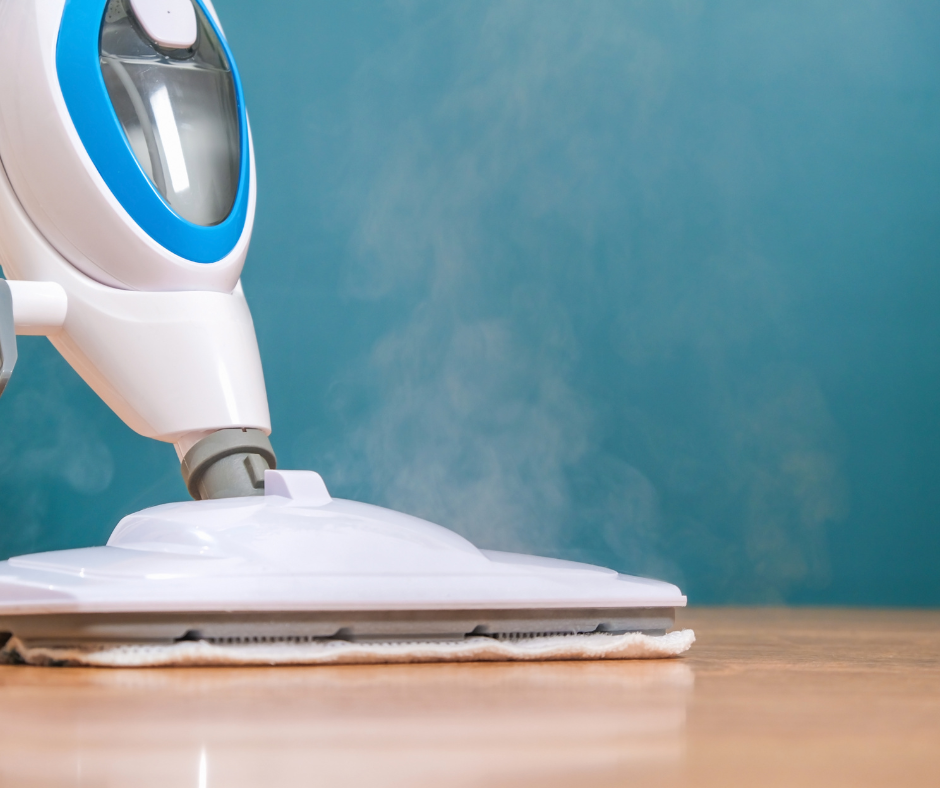
  • Opt for steam cleaners for chemical‑free deep cleaning 
Less water, less waste, same sparkling results. 

Once you’ve reduced plastic, chosen chemical-free and non-toxic cleaning products, and cut down on water use, the final step is to think about how everything fits together. A low‑impact cleaning routine isn’t just about what you use in the moment — it’s also about how long your tools last, what they’re made from, and what happens to them at the end of their life. That’s where circular choices come in.

🔄 Circular Choices: Small Steps That Add Up

Reducing plastic, choosing gentler ingredients, using less water, and switching to refillable non‑toxic products all help to lower your environmental impact. Circular choices bring these ideas together by focusing on the full life cycle of what you use — from the materials your tools are made from, to how long they last, to what happens at the end of their life. By caring for what you already own, choosing natural materials and refillable products when you’re ready, and letting worn‑out items break down safely, you’re creating a cleaning routine that’s lighter on resources and kinder to your home and the planet.

🌟 Bringing It All Together

A lower‑impact cleaning routine isn’t about perfection — it’s about making thoughtful choices that fit your home and your life. By reducing plastic where you can, choosing gentler ingredients, using water more mindfully, and thinking about the full life cycle of the tools you use, you’re already making a meaningful difference. Small, steady changes add up, and every swap you make helps create a home that’s healthier for you and lighter on the planet.

Start where you are, use what you have, and let the changes build naturally.

📝 Affiliate Disclosure: To keep this guide free and accessible, I use affiliate links where appropriate. If you make a purchase, I may earn a small commission—never influencing the price you pay. Every recommendation is based on hands-on experience or thorough research tailored to UK gardens.

For more sustainable tips and inspiration, take a look at the newest posts.
The product display was implemented using the affiliate-toolkit WordPress plugin.